Marechal Foch, Maréchal Foch, Marechal Foch grape, Foch, Kuhlmann 188-2, Marshal Fosh, Marschall Foch
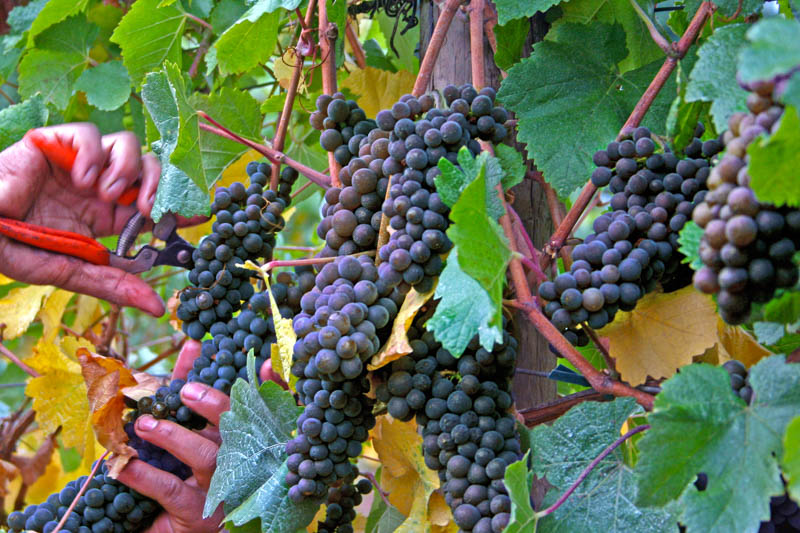


Vitis ‘Marechal Foch’, commonly known as the Marechal Foch Grape, is one of the classic cold-climate wine grapes and one of the most recognized French-American hybrids ever planted in North America. Developed by Eugène Kuhlmann in the early 20th century and long known by its breeding code Kuhlmann 188-2, Marechal Foch earned its reputation because it ripens very early, tolerates real winter cold, and can produce deeply colored, characterful wines in places where many Vitis vinifera grapes struggle to finish the season.
This deciduous hybrid grapevine is valued for a combination growers never stop chasing: early maturity, cold hardiness, dependable wine quality, and practical adaptability. Marechal Foch produces small clusters of black grapes with naturally high pigment and enough sugar potential to make everything from light, fresh reds to darker, fuller wines. It is grown primarily for red wine, rosé, blends, and occasionally sweeter or fortified styles, rather than for fresh eating. For growers in short-season or frost-risk regions, Marechal Foch remains a serious, historically important cultivar that still earns vineyard space.
Vitis ‘Marechal Foch’ is an early-ripening, cold-hardy hybrid grapevine bred for wine production in cool and short-season climates. Plant it in full sun with excellent drainage, train it on a sturdy trellis, prune carefully to balance fruit and vigor, and monitor spring frost because bud break can be very early. Expect small, dark grape clusters that can produce vividly colored wines with bright structure and real northern-grown character.
Use: Primarily cultivated for red wine, rosé, blends, and specialty wine production in cool climates.
Highlight: Very early ripening black grapes with small clusters, strong color, good sugar potential, and reliable cold-climate performance.
Design note: Marechal Foch vines look handsome on trellises, fences, and small vineyard rows, but they perform best when trained and pruned with discipline.
| Botanical Name | Vitis ‘Marechal Foch’ |
|---|---|
| Family | Vitaceae (Grape family) |
| Common Names | Marechal Foch Grape, Foch, Kuhlmann 188-2 |
| Plant Type | Deciduous fruiting vine, cold-hardy hybrid grape |
| Hardiness (approx. USDA) | Zones 4-8; often grown where winters are too severe for many classic vinifera grapes |
| Minimum Temperature | Often reported hardy to about -25°F (-32°C), with some sources classifying it as very hardy |
| Height | 10-20 ft. depending on pruning and support |
| Spread | 4-10 ft. depending on spacing and training |
| Sun Exposure | Full sun |
| Soil | Well-drained soil; avoid chronically wet or compacted sites |
| Harvest Season | Very early for a red wine grape; often late summer to early fall depending on region |
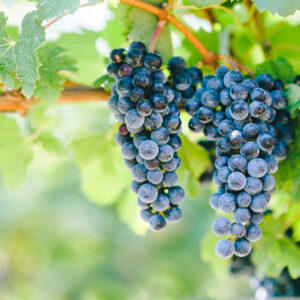
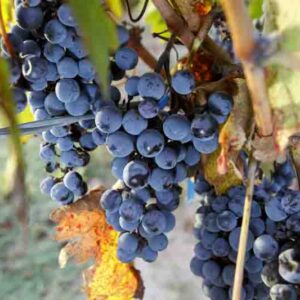
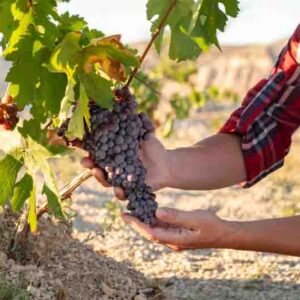
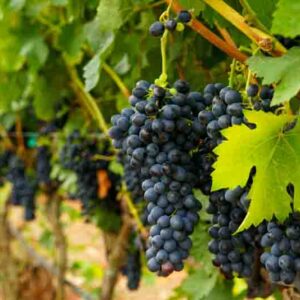
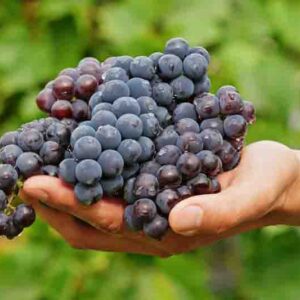
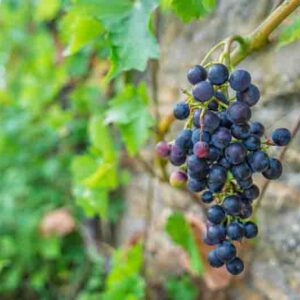
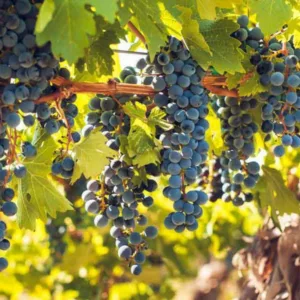
| Fruit | Small clusters with small black berries, strong pigment, and good sugar accumulation |
Marechal Foch stands out because it solves a problem that defines cool-climate viticulture: getting red wine grapes fully ripe before the season shuts down. It is famous for being very early ripening, which means growers in northern or variable climates can bring in usable red wine fruit while many later cultivars are still trying to catch up. That single trait made it a foundational grape for many early wineries in the Northeast, Midwest, and parts of Canada.
It also brings more than just earliness. Marechal Foch can produce deeply colored wines, bright natural structure, and a surprisingly serious flavor profile. Depending on how it is cropped and vinified, it can lean toward light and vivid or dark and intense. That flexibility is exactly why the grape still matters today.
Why growers still respect it: Marechal Foch is one of the rare old hybrids that remains relevant because it combines practical vineyard reliability with genuine winemaking range.
Marechal Foch was developed by Eugène Kuhlmann in 1911 in France and is classed as an interspecific hybrid. It is widely associated with the breeder code Kuhlmann 188-2 and traces to parentage involving Goldriesling and hybrid material containing Vitis riparia, Vitis rupestris, and Vitis vinifera. That mixed background helps explain its hardiness, ripening speed, and non-vinifera resilience.
The variety later became especially important in North America, where growers needed grapes that could survive cold winters and still make credible red wine. In many regions, Marechal Foch was one of the bridge cultivars that connected experimental backyard viticulture to real commercial cold-climate wine production.
Short-season vineyards: An early-ripening red wine grape with a long track record.
Cold-climate sites: Valuable where winter injury limits less hardy grapes.
Growers who need earliness: One of the classic choices when finishing the crop matters most.
Home winemakers: A compelling option for small vineyards with proper pruning and bird control.
Blending and color: Useful when stronger pigment and structure are desired in the cellar.
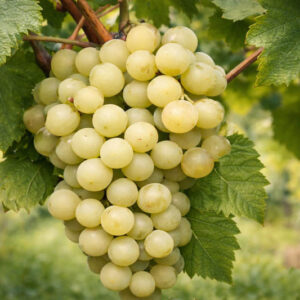
Marechal Foch is primarily a wine grape, not a table grape. Its value lies in its fermentation potential, not in casual fresh eating. The berries are small, the clusters are small, and the chemistry is much better suited to wine than to the fruit bowl.
That is the key distinction. If you want large, crisp, sweet grapes for snacking, this is not the obvious choice. If you want an early-ripening black wine grape for cool climates, Marechal Foch becomes very attractive very quickly.
Marechal Foch grapes are self-pollinating, so a single vine can set fruit without a separate pollinizer. Like other bunch grapes, it fruits on the current season’s shoots that grow from one-year-old wood. That means pruning is not optional housekeeping – it is central to crop placement, yield control, and wine quality.
Because the cultivar can be moderate in vigor and moderate in production depending on site, smart growers focus on balance rather than letting the vine run wild or crop too heavily. A well-pruned vine generally outperforms an overcropped one in both fruit chemistry and long-term health.
How Long Grapevines Take to Produce Fruit
This is where Marechal Foch earns its reputation. It is a very early-ripening black grape, a major advantage in places with cool summers, short autumns, or early frost. In many regions it can be harvested in late August or September, though exact timing depends on latitude, site exposure, crop load, and seasonal weather.
There is one tradeoff, though: Marechal Foch can also have very early bud break. That helps explain its early harvest window, but it also makes spring frost a real concern on exposed or low-lying sites. In other words, it beats autumn risk partly by accepting some spring risk. Site selection matters.
Why your Grapevine has Leaves but No Grapes
How to Tell When Grapes Are Ready to Harvest
Grower insight: Marechal Foch is a classic “beat the season” grape – but because it wakes up early, it should be planted where cold air can drain away in spring.
Marechal Foch is known for developing good sugar levels while still maintaining brisk acidity. That chemistry is one reason it can make energetic, vivid wines in cool regions. Exact harvest targets vary by wine style and region, but the broader principle is simple: harvest for balance, not just sugar. Color arrives early, but the best picking date is the one that aligns flavor, tannin, acid, and intended wine style.
Some winemakers aim for fresh, lighter reds; others push toward darker, fuller wines with more extraction. Because of the grape’s pigment, even modest fruit can deliver impressive color in the winery.
Key harvest mindset: Pick Marechal Foch by tasting fruit and tracking chemistry together. A fast-ripening grape can fool growers who rely on color alone.
The answer is not complicated – it gives growers a realistic shot at red wine production where classic vinifera reds may fail to ripen or may suffer winter injury. Marechal Foch is widely described as hardy to around -25°F, and many cold-climate references classify it as very hardy. That combination of winter survival and early maturity is exactly why it became a staple in northern vineyards.
Best Grapes for Zone 4 – Cold Hardy Varieties that Work
Still, no grape is magic. The best results come from sunny sites with good drainage, open airflow, and careful canopy management. Hardiness gets the vine through winter; smart viticulture gets it to quality harvest.
Cold-climate advantage: Marechal Foch is not famous because it is easy. It is famous because it makes red wine possible in places where red wine grapes are usually a gamble.
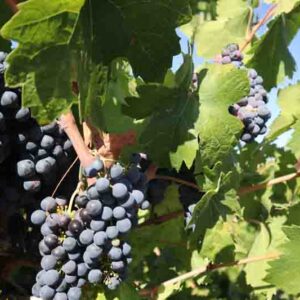
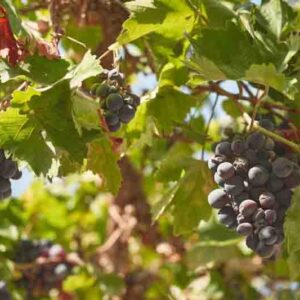
Marechal Foch produces small clusters and small black berries, often with strong pigmentation and notable color contribution in the cellar. It is frequently described as capable of making wines that range from light, fruity reds to darker, fuller, more extracted styles. Some growers and winemakers also use it in blends when they want more color and depth.
The flavor profile can vary with crop level, site, and winemaking, but Marechal Foch commonly shows dark fruit, bright acidity, earthy undertones, and a vivid color signature. At its best, it does not taste like a compromise grape. It tastes like a grape that knows exactly what climate it belongs in.
Marechal Foch adapts well to cool and cold wine regions because it combines winter hardiness, early maturity, and practical vineyard resilience. It has been grown successfully across parts of the northern United States and Canada for decades. That long history matters because it means growers are not guessing. They are working with a cultivar that has already proven itself under pressure.
It is especially useful where summers are not long enough for many premium vinifera reds, but where growers still want a black grape capable of real red wine. In that sense, Marechal Foch remains one of the most important historical templates for cold-climate red production.
When to Plant Grapes for Healthier Vines
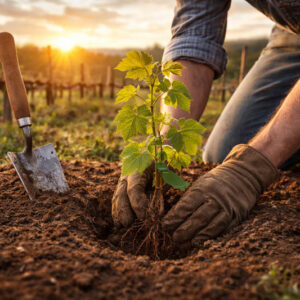
Site-selection rule: Favor full sun, good drainage, and locations with reduced spring frost risk. Hardiness does not cancel out poor siting.
Marechal Foch is often described as having low to moderate or medium vigor, although site conditions can shift how it behaves. On balanced soils that is an advantage, because the vine is often easier to manage than highly aggressive cultivars. On weaker soils, however, some growers prefer grafting or careful management to maintain strong vine performance.
That moderate growth habit is one reason Marechal Foch appeals to serious home growers. It is vigorous enough to establish well, but not always so rampant that it becomes a constant canopy battle.
Marechal Foch has long been appreciated for useful disease tolerance compared with many classic vinifera grapes, but it is not disease-proof. Wet seasons, dense canopies, and neglected spray programs can still create problems. Good sanitation, airflow, and a sensible disease management plan remain essential.
One detail that matters a lot in practice: Marechal Foch has shown sensitivity to sulfur, and copper use is generally treated cautiously. It is also considered susceptible to dicamba. That means growers need to match products and nearby herbicide realities to the cultivar rather than assuming a generic program will be safe.
Common Grapevine Problems and How to Fix Them
Watch for: spring frost, bird pressure, sulfur injury, herbicide drift, and the disease pressure that builds when canopies stay shaded and humid.
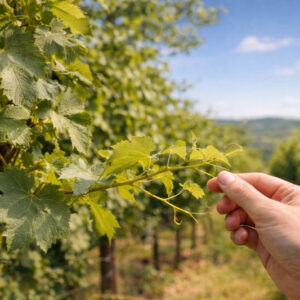
Marechal Foch is often described as having a semi-trailing or horizontal growth habit, so it responds well to training systems that respect that natural behavior. A sturdy trellis is important, especially once mature vines are carrying crop and permanent wood.
Backyard growers often succeed with fence or trellis systems, but vineyard-style training usually improves light exposure and crop consistency. Choose a system that makes pruning, shoot positioning, and harvest practical on your site.
Marechal Foch benefits from careful annual pruning to maintain fruiting wood, prevent overcropping, and keep the canopy open. Because grapes fruit on shoots from one-year-old wood, dormant pruning directly determines next season’s crop structure. Open canopies also improve sunlight exposure, fruit composition, and disease control.
Growers often pair pruning with shoot thinning and selective leaf removal to reduce crowding in the fruit zone. The result is better airflow, more even ripening, and cleaner clusters – all things Marechal Foch rewards.
How to Prune Grapevines for Bigger Harvests: Cane Pruning vs Spur Pruning
Marechal Foch and Marquette are both respected cold-climate red wine grapes, but they play different roles. Marechal Foch is older, earlier, and more historically important as a foundational northern hybrid. Marquette is often chosen for a more modern flavor profile and lower-acid chemistry in many sites.
If your site is short-season and you need dependable earliness, Marechal Foch remains compelling. If you want a newer cold-hardy red with different tannin and aroma expression, Marquette may be the better fit. Many serious growers appreciate both for different reasons.
Because Marechal Foch is a real vineyard grape with long-term structure and cropping potential, it is generally not ideal for permanent container growing. Large pots can work temporarily, but mature vines perform much better in open ground where roots, trunk, and trellis system can fully develop.
How to Grow Grapes in Containers (Expert Pot Guide)
Marechal Foch is ideal for cold-climate growers, home winemakers, and vineyard owners who need an early red wine grape with historical credibility. It is especially useful in regions where winter cold or a compressed season narrows the list of realistic red cultivars.
It is best for people who want a wine grape first – one that rewards thoughtful pruning, site choice, and harvest timing. For growers who respect those details, Marechal Foch is still much more than a legacy hybrid. It is a practical, professional tool.
Growers exploring cold-hardy grapes may also consider Reliance Grape, King of the North Grape, Catawba Grape, and how to grow grapes in the home garden.
Marechal Foch is widely reported hardy to about -25°F (-32°C), and many cold-climate references classify it as very hardy. That makes it one of the classic red wine grapes for regions with real winter cold.
Marechal Foch is primarily a wine grape. Its small berries, small clusters, and winemaking chemistry make it much more valuable for red wine, rosé, and blends than for fresh eating.
Marechal Foch is grown mainly for red wine, rosé, blends, and sometimes specialty sweet or fortified styles. It is valued for early ripening, strong color, and cold-climate reliability.
Marechal Foch is a very early-ripening black grape and is often harvested from late summer into early fall, depending on region, crop level, and seasonal weather.
Marechal Foch is important because it combines early maturity with winter hardiness, allowing growers in shorter and colder seasons to produce red wine fruit more reliably than many later-ripening grapes.
Marechal Foch wine can range from light and fruity to darker and fuller-bodied, often with vivid color, dark fruit character, bright acidity, and earthy notes depending on site and winemaking.
No. Marechal Foch is self-pollinating, so a single vine can set fruit without another grape variety nearby.
It can be. Marechal Foch is known for very early bud break, which helps explain its early ripening, but that also makes it more vulnerable to spring frost on exposed sites.
Marechal Foch does well on sturdy trellis systems that suit its semi-trailing to horizontal growth habit. The best system is the one that allows practical pruning, good light exposure, and open canopy management.
Yes. Marechal Foch has documented sulfur sensitivity, and copper use is often treated cautiously as well. Growers should tailor disease programs to the cultivar rather than assuming every standard spray is safe.
Bottom line: Vitis ‘Marechal Foch’ is one of the defining grapes of cool and cold-climate red winemaking. With very early ripening, dependable hardiness, strong color, and a long professional track record, it remains one of the smartest classic choices for growers who need a serious wine grape that can outrun the season.
Updated: March 2026 • Reviewed by Gardenia Editors
| Hardiness |
4 - 8 |
|---|---|
| Plant Type | Climbers, Fruits, Shrubs |
| Plant Family | Vitaceae |
| Genus | Vitis |
| Common names | Grape |
| Exposure | Full Sun |
| Season of Interest | Summer (Early, Mid, Late), Fall |
| Height | 10' - 20' (3m - 6.1m) |
| Spread | 4' - 10' (120cm - 3m) |
| Spacing | 48" - 120" (120cm - 3m) |
| Maintenance | High |
| Water Needs | Average |
| Soil Type | Chalk, Loam, Sand |
| Soil pH | Alkaline, Neutral |
| Soil Drainage | Well-Drained |
| Characteristics | Showy, Fruit & Berries |
| Tolerances | Fire |
| Attracts | Bees, Birds |
| Garden Uses | Arbors, Pergolas, Trellises, Walls And Fences |
| Garden Styles | Informal and Cottage |
| Toxic to Humans | No known toxicity |
| Toxic to Cats | No known toxicity |
| Toxic to Dogs | Toxic |
| Toxic to Horses | Not toxic |


| Hardiness |
4 - 8 |
|---|---|
| Plant Type | Climbers, Fruits, Shrubs |
| Plant Family | Vitaceae |
| Genus | Vitis |
| Common names | Grape |
| Exposure | Full Sun |
| Season of Interest | Summer (Early, Mid, Late), Fall |
| Height | 10' - 20' (3m - 6.1m) |
| Spread | 4' - 10' (120cm - 3m) |
| Spacing | 48" - 120" (120cm - 3m) |
| Maintenance | High |
| Water Needs | Average |
| Soil Type | Chalk, Loam, Sand |
| Soil pH | Alkaline, Neutral |
| Soil Drainage | Well-Drained |
| Characteristics | Showy, Fruit & Berries |
| Tolerances | Fire |
| Attracts | Bees, Birds |
| Garden Uses | Arbors, Pergolas, Trellises, Walls And Fences |
| Garden Styles | Informal and Cottage |
| Toxic to Humans | No known toxicity |
| Toxic to Cats | No known toxicity |
| Toxic to Dogs | Toxic |
| Toxic to Horses | Not toxic |
How many Vitis ‘Marechal Foch’ (Grape) do I need for my garden?
| Plant | Quantity | |
|---|---|---|
| Vitis ‘Marechal Foch’ (Grape) | N/A | Buy Plants |
Create a membership account to save your garden designs and to view them on any device.
Becoming a contributing member of Gardenia is easy and can be done in just a few minutes. If you provide us with your name, email address and the payment of a modest $25 annual membership fee, you will become a full member, enabling you to design and save up to 25 of your garden design ideas.
Join now and start creating your dream garden!
Create a membership account to save your garden designs and to view them on any device.
Becoming a contributing member of Gardenia is easy and can be done in just a few minutes. If you provide us with your name, email address and the payment of a modest $25 annual membership fee, you will become a full member, enabling you to design and save up to 25 of your garden design ideas.
Join now and start creating your dream garden!