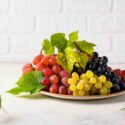
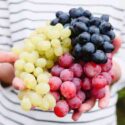
Growing grapes in cold climates is easier than many gardeners realize. With modern cold-hardy grape varieties, vineyards and backyard growers can produce excellent fruit even in freezing regions. Discover the best wine grapes, table grapes, and ultra-hardy varieties that thrive in northern climates and survive harsh winter temperatures.
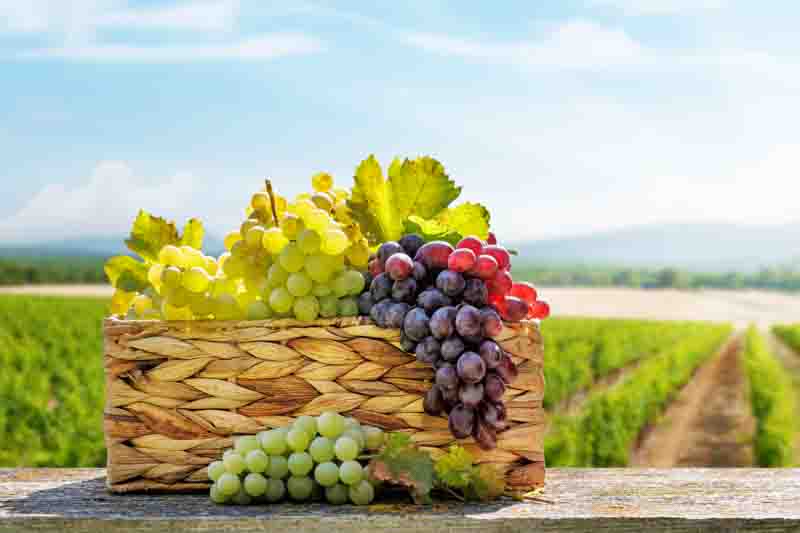


If you have ever looked at a grapevine catalog while living in a cold-winter region, you have probably had the same thought many growers do: Can grapes really grow here? The answer is yes – but only if you choose the right varieties.
That is the whole game with cold-climate grapes. In warm regions, growers often focus on style, prestige, or wine tradition first. In cold regions, the first question is simpler and much more practical: Will this vine survive winter, ripen on time, and still produce quality fruit?
That is why cold-hardy grapes matter so much. These varieties were selected or bred for growers dealing with harsh winters, spring frosts, shorter growing seasons, and the constant risk that a beautiful-looking vine in June may turn into a dead trunk by February. The best cold-climate grapes are not just survivors. They are reliable performers – vines that can handle northern weather and still produce worthwhile fruit for wine, juice, jelly, or fresh eating.
Most famous wine grapes belong to Vitis vinifera – the European grape species behind Cabernet Sauvignon, Chardonnay, Pinot Noir, Merlot, and Riesling. These grapes can make world-class wine, but they are often a poor fit for places with severe winters. Many vinifera vines begin to suffer serious winter injury when temperatures drop much below about -5 to -10 degrees Fahrenheit (-20 to -23°C). By contrast, many modern cold-hardy hybrids were developed specifically for areas where winter lows can fall between about -20 and -40 degrees Fahrenheit (-28 to -40°C), depending on variety and site.
That difference changed viticulture in northern regions. Modern cold-climate grapes combine winter hardiness, earlier ripening, and often better disease resistance than many traditional vinifera grapes. In other words, they are purpose-built for places where classic European grapes often struggle.
If you are researching grapes for northern vineyards, you will quickly notice the same names showing up over and over again: Frontenac, Marquette, La Crescent, Frontenac Gris, Frontenac Blanc, and Itasca. That is not a coincidence. The University of Minnesota breeding program has been one of the biggest forces in cold-climate grape development, and its releases now shape much of modern northern viticulture. UMN Extension specifically highlights Frontenac, Frontenac Blanc, Frontenac Gris, La Crescent, and Marquette as proven grapes for northern gardens, with several doing very well in zone 4 and still performing in zone 3.
For growers, that matters because these grapes were not bred as experiments for mild climates. They were developed for real northern conditions – hard freezes, short seasons, and the need to ripen fruit before cold weather closes the season.
Cold-climate grape growing is much easier when you stop asking for the single “best” grape and start asking the better question: best for what?
A great grape for a backyard arbor is not always the best grape for a winery. A grape that survives zone 3 may not make the most refined red wine. A seedless grape that tastes wonderful for fresh eating may still need winter protection. UMN Extension notes that seedless grapes generally do less well in northern climates than seeded types, and that in Minnesota many seedless grapes need winter protection except in the warmest parts of the state.
Best Grapes for Fresh Eating – Top Varieties Ranked
So when choosing cold-climate grapes, keep these four filters in mind:
| Grape | Best For | Hardiness | Self-Fertile | Key Traits |
|---|---|---|---|---|
| Marquette | Red wine | 4-8 | Yes | High-quality cold-climate red wine grape |
| Frontenac | Red, rosé, dessert wine | 3-8 | Yes | Extremely hardy and productive |
| La Crescent | Aromatic white wine | 4-8 | Yes | Apricot, citrus, tropical aromas |
| Frontenac Gris | Rosé, white wine | 4-8 | Yes | Versatile winemaking grape |
| Petite Pearl | Red wine | 4-8 | Yes | Improved tannins for quality red wines |
| Marechal Foch | Early red wine | 4-8 | Yes | Early ripening hybrid |
| Prairie Star | White wine | 3-7 | Yes | Reliable cold-climate white |
| Brianna | Aromatic white wine | 4-8 | Yes | Highly aromatic fruit-forward wines |
| Reliance | Seedless table grape | 4-8 | Yes | Sweet pink seedless fruit |
| Somerset Seedless | Seedless table grape | 4-8 | Yes | Hardiest seedless grape |
| Edelweiss | Fresh eating | 4-8 | Yes | Floral, sweet flavor |
| Concord | Juice, jelly | 5-8 | Yes | Classic American grape flavor |
| Valiant | Extreme hardiness | 3-8 | Yes | One of the hardiest grapes |
| Bluebell | Juice, jelly | 3-7 | Yes | Concord-type flavor |
| St. Croix | Wine or fresh eating | 4-8 | Yes | Very adaptable hybrid |
| Beta | Juice, jelly | 3-9 | Yes | Seeded fruit with bold grapey flavor |
Note: These are best-fit growing zones for practical use, especially in northern gardens and vineyards. Site, snow cover, exposure, and winter swings still matter a great deal.
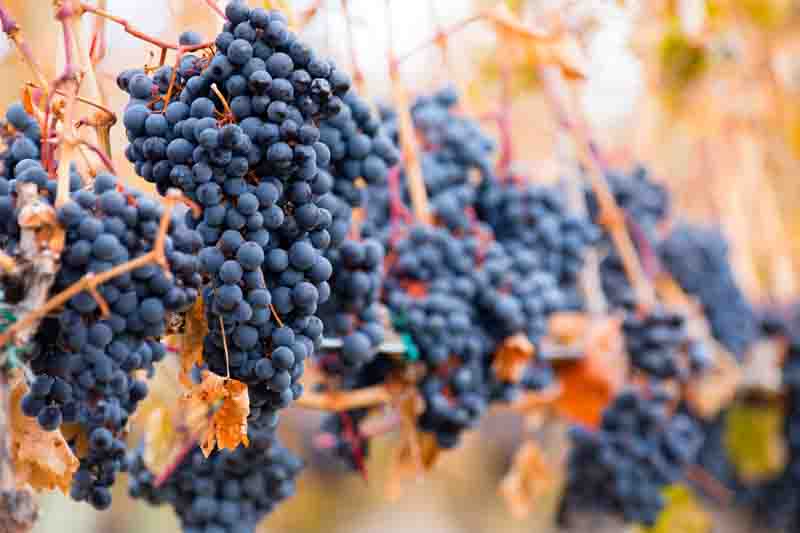
If your main goal is wine, this is where the shortlist becomes much more specific. A wine grape for cold climates has to do more than survive. It has to ripen well, develop useful chemistry, and produce fruit that a winemaker can actually work with.
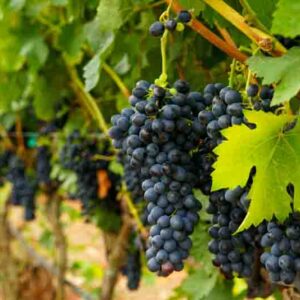
Marquette is still the standout name here. It is the red grape most people mention first because it delivers a stronger balance of winter hardiness, color, structure, and overall wine potential than many older hybrids. For serious northern red wine, Marquette is often the benchmark.
Frontenac is more rugged and more forgiving in tough winters, which explains why it became such a foundational grape. It is extremely productive and very winter hardy, though its naturally high acidity often means winemakers need to handle it carefully.
Marechal Foch remains valuable because it ripens early. That matters more than many beginners realize. In cold regions, early ripening is not a luxury – it is insurance.
Petite Pearl has also become increasingly attractive to quality-focused growers because it is part of the newer generation of cold-hardy reds with stronger wine ambition.
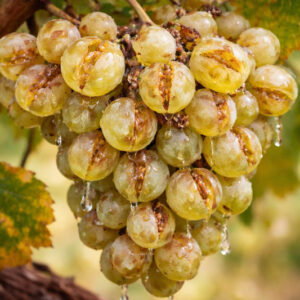
La Crescent is the white grape that gets talked about most – and for good reason. It is aromatic, expressive, and highly recognizable in cold-climate wine. UMN describes it as having apricot and honey aromas, which fits its reputation as one of the most characterful northern white grapes.
Brianna is another highly appealing aromatic white, especially for growers who want fruit-forward, approachable wines. Prairie Star is more understated but widely respected for reliability. Itasca deserves attention because it reflects a more modern breeding goal: lower acidity and a cleaner white-wine profile.
Frontenac Gris is one of the most useful grapes in the category because it is flexible. It can move between rosé, white, and sweeter styles depending on site and winemaking goals. That kind of versatility is especially helpful in cold-climate regions, where one difficult vintage can completely change your ideal style direction.

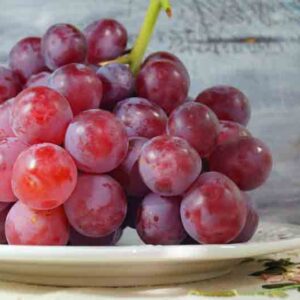
Now for the fun part – the grapes most gardeners actually want to snack on straight from the vine.
Table grapes for cold climates need a different profile than wine grapes. You care more about texture, sweetness, seedlessness, and family appeal. For backyard growers, these traits often matter more than anything happening in a winery tank.
Reliance is one of the most popular cold-hardy seedless grapes, but it generally fits better in somewhat milder cold-climate sites than the toughest zone 3 and 4 grapes.
Somerset Seedless is the better answer when a gardener wants a seedless grape and colder hardiness at the same time. UMN Extension specifically describes Somerset Seedless as the hardiest of the seedless grapes it recommends for zone 4.
Edelweiss is a great option for fresh eating, with juicy berries and a floral aroma. UMN notes it does well in zone 4 and can be okay in zone 3.
Bluebell is another excellent northern garden grape, especially for growers who like Concord-type flavor. UMN says Bluebell has excellent hardiness in zone 4 and does very well in zone 3.
Zone 3 represents some of the coldest regions where grape growing is still possible. Winters can be extremely harsh, so only the toughest grape varieties should be considered. The most reliable choices are grapes known for exceptional winter hardiness and adaptability.
Strong candidates for very cold climates include Frontenac, Prairie Star, Bluebell, Beta, and Valiant in protected sites. These grapes are widely recognized for surviving severe winter conditions and producing dependable crops in northern vineyards and gardens.
Even with these hardy varieties, site selection still matters. Planting on a sunny slope with good air drainage and winter snow cover can make a major difference in vine survival and productivity.
Zone 4 is often considered the core region for cold-climate grape growing. Winters are still cold, but the slightly longer growing season allows a wider range of wine and table grapes to ripen successfully.
Reliable choices for zone 4 include Marquette, Frontenac, Frontenac Gris, La Crescent, Prairie Star, Marechal Foch, Petite Pearl, Brianna, St. Croix, Edelweiss, Bluebell, Reliance, and Somerset Seedless. These grapes combine winter hardiness with reliable ripening, making them popular among both home gardeners and commercial vineyards.
For growers interested in wine production, varieties such as Marquette, Frontenac, and La Crescent are often considered the backbone of northern vineyards.
Best Grapes for Zone 4 – Cold Hardy Varieties that Work.
Zone 5 offers more flexibility for grape growers. Winters are still cold enough to challenge traditional European grapes, but many hybrid varieties thrive and produce excellent fruit quality.
Popular grapes for zone 5 include Brianna, Itasca, Vignoles, Prairie Star, Somerset Seedless, Reliance, Concord, and Marquette. In this zone, growers can experiment more with wine styles and table grapes while still benefiting from the reliability of cold-hardy hybrids.
Zone 5 growers often enjoy the widest selection of cold-climate grapes because both wine grapes and seedless table grapes perform well in these conditions.
Yes — and that is good news for growers. Most cultivated grape varieties are self-fertile and self-pollinating, which means a single vine can usually produce fruit on its own. Weather conditions during bloom can still influence fruit set, but grapes generally do not require a second variety for pollination.
That said, self-fertile does not mean “guaranteed full crop.” Poor bloom weather, nutrient imbalance, and disease or spray timing around bloom can still reduce fruit set. So the practical takeaway is this: most cold-climate grapes do not need a pollination partner, but they still need decent bloom conditions.
If you are planting grapes in a cold climate, here is the simplest way to narrow the field:
A smart strategy for many northern growers is to plant a mix: one extremely reliable grape, one quality-focused grape, and one “fun” grape that matches your taste goals.
The best grape varieties for cold climates are not just substitutes for warmer-climate grapes. They are a category with their own strengths, their own stars, and their own growing logic. That is what makes them so interesting.
If you want the shortest possible answer, here it is:
And if you remember only one principle from this article, make it this one: in cold climates, the best grape is not the one that merely survives – it is the one that survives, ripens, and gives you the kind of fruit you actually want to harvest.
Some of the best grape varieties for cold climates include Marquette, Frontenac, La Crescent, Frontenac Gris, Prairie Star, Brianna, and Petite Pearl. These grapes were bred or selected for winter hardiness and reliable ripening in northern regions where traditional European grapes often struggle.
Yes. Many modern hybrid grape varieties can survive extremely cold winters. Some cold-hardy grapes tolerate winter temperatures between about -20°F and -40°F (-29°C to -40°C), depending on the variety and site conditions.
For extremely cold regions such as USDA zone 3, some of the most reliable grapes include Valiant, Frontenac, Frontenac Gris, Frontenac Blanc, La Crescent, Marquette, Edelweiss, and Bluebell. These varieties are known for exceptional winter hardiness.
Somerset Seedless is widely considered one of the best seedless grapes for cold climates because it combines good winter hardiness with sweet, seedless fruit. Reliance is another popular seedless variety but generally performs better in slightly milder cold regions.
Yes. Most cultivated grape varieties are self-fertile and self-pollinating, which means a single vine can usually produce fruit on its own. However, weather during bloom and overall plant health can still affect fruit set.
Hybrid grapes are common in cold climates because they combine the fruit quality of European grapes with the winter hardiness and disease resistance of North American grape species. This hybrid background allows them to survive colder winters and ripen in shorter growing seasons.
Wine grapes are grown mainly for sugar levels, acidity, and skin characteristics that influence wine production. Table grapes are selected for sweetness, texture, and eating quality. Many table grapes are seedless, while wine grapes usually contain seeds.
The University of Minnesota grape breeding program developed several of the most important cold-climate grapes, including Frontenac, Marquette, La Crescent, and Frontenac Gris. These varieties were specifically bred to survive very cold winters while still producing quality fruit.
Updated: April 2026 • Reviewed by Gardenia Editors
| Hardiness |
3 - 10 |
|---|---|
| Plant Type | Climbers, Fruits |
| Plant Family | Vitaceae |
| Genus | Vitis |
| Exposure | Full Sun |
| Maintenance | High |
| Water Needs | Average |
| Soil Type | Chalk, Loam, Sand |
| Soil pH | Alkaline, Neutral |
| Soil Drainage | Well-Drained, Moist but Well-Drained |
| Attracts | Bees, Birds |
| Hardiness |
3 - 10 |
|---|---|
| Plant Type | Climbers, Fruits |
| Plant Family | Vitaceae |
| Genus | Vitis |
| Exposure | Full Sun |
| Maintenance | High |
| Water Needs | Average |
| Soil Type | Chalk, Loam, Sand |
| Soil pH | Alkaline, Neutral |
| Soil Drainage | Well-Drained, Moist but Well-Drained |
| Attracts | Bees, Birds |
Create a membership account to save your garden designs and to view them on any device.
Becoming a contributing member of Gardenia is easy and can be done in just a few minutes. If you provide us with your name, email address and the payment of a modest $25 annual membership fee, you will become a full member, enabling you to design and save up to 25 of your garden design ideas.
Join now and start creating your dream garden!
Create a membership account to save your garden designs and to view them on any device.
Becoming a contributing member of Gardenia is easy and can be done in just a few minutes. If you provide us with your name, email address and the payment of a modest $25 annual membership fee, you will become a full member, enabling you to design and save up to 25 of your garden design ideas.
Join now and start creating your dream garden!