Zinfandel Grape, Zinfandel, California Zinfandel, Primitivo, Crljenak Kaštelanski, Tribidrag, Pribidrag, Kratošija, Black St. Peters
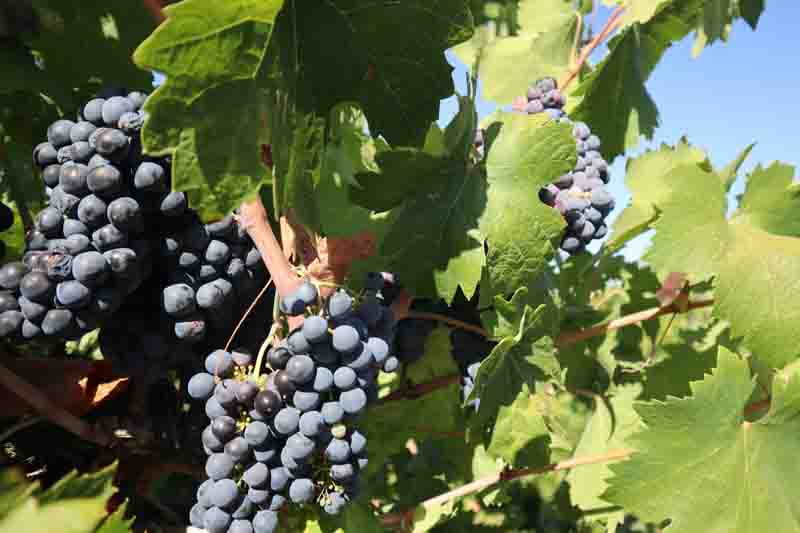


Vitis vinifera ‘Zinfandel’, commonly known as the Zinfandel grape, is one of the most distinctive and culturally important red wine grapes in the world. Although its genetic roots lead back to Croatia, Zinfandel is most closely associated with California, where it became one of the defining grapes of the state’s wine history. It is valued for combining deep berry fruit, spice, site expression, and broad winemaking usefulness in a single cultivar.
This deciduous grapevine is grown chiefly for wine rather than fresh eating. In the vineyard, Zinfandel is appreciated for its vigor, adaptability, and long-standing success in both historic dry-farmed vineyards and modern managed sites. In the cellar, it is prized for wines that can be bright and juicy, rich and opulent, peppery and structured, or even gently pink and approachable depending on harvest choices, region, vine age, and winemaking style.
Vitis vinifera ‘Zinfandel’ is a classic wine grape known for blue-black berries, ripe berry flavor, spice, and a long connection to California viticulture. Plant it in full sun with excellent drainage, train it on a sturdy support, and prune it every year to keep the vine balanced, open, and productive. Expect medium clusters of dark, seeded grapes used mainly for varietal wines, old-vine bottlings, field blends, and rosé rather than for fresh eating.
Use: Primarily grown for red wine, old-vine bottlings, rosé, and heritage field blends.
Highlight: Medium blue-black berries with ripe berry flavor, peppery spice, and broad stylistic range.
Design note: Though cultivated mainly for wine, Zinfandel can also serve as an ornamental edible vine for arbors, fences, and trellises where a vigorous fruiting vine is desired.
| Botanical Name | Vitis vinifera ‘Zinfandel’ |
|---|---|
| Family | Vitaceae |
| Common Name | Zinfandel Grape |
| Plant Type | Deciduous fruiting vine, wine grape |
| Viticultural Suitability | Best in regions with a long, sunny growing season, good drainage, and enough late-season warmth to ripen fruit cleanly without chronic rot pressure or severe winter injury |
| Growth Habit | Vigorous climbing vine requiring structured training or traditional head training |
| Height | 15-20 ft. or more depending on pruning and training system |
| Spread | 6-10 ft. or more depending on training method |
| Sun Exposure | Full sun |
| Soil | Well-drained soil; often successful on gravelly loam, sandy loam, volcanic soils, decomposed granite, and other structured vineyard soils that avoid waterlogging |
| Ripening Season | Mid- to late-season relative to many premium wine grapes, though timing depends strongly on climate, crop level, vine age, and site |
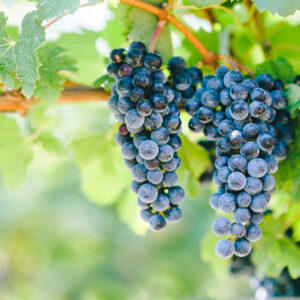
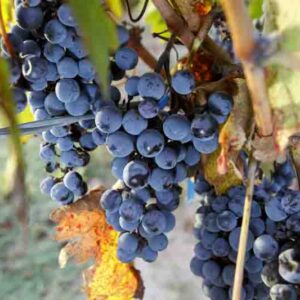
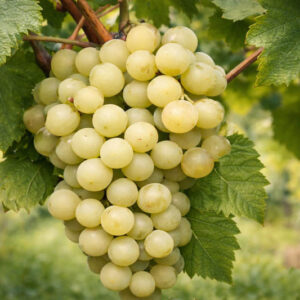
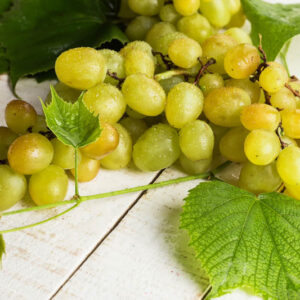
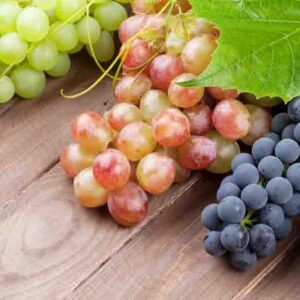
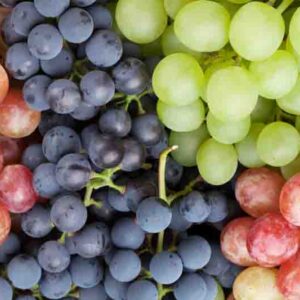
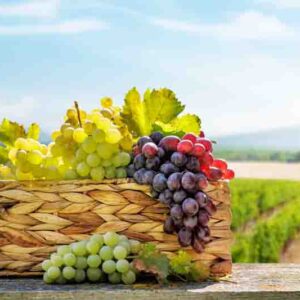
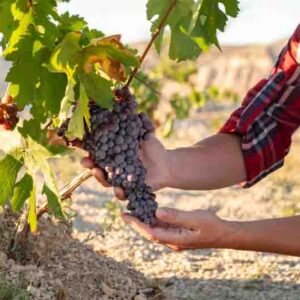
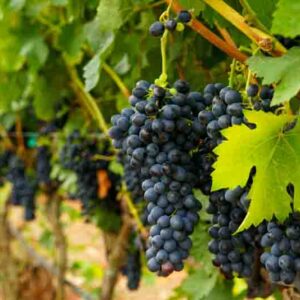
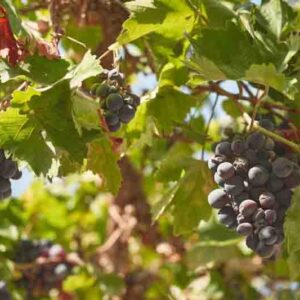
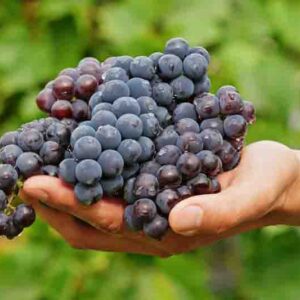
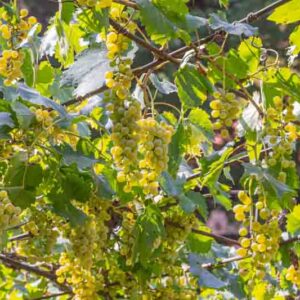
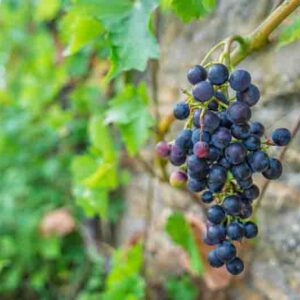
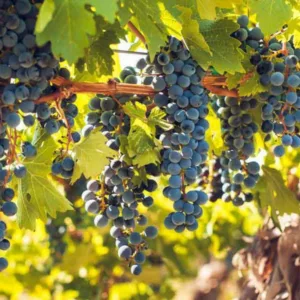
| Fruit | Medium blue-black berries in medium clusters, usually seeded, often with uneven ripening within a single cluster |
| Main Uses | Varietal red wine, old-vine wine, field blends, rosé, occasional fortified styles |
| Flavor Direction | Blackberry, raspberry, black cherry, plum, bramble, pepper, baking spice, licorice, and sometimes smoky or cocoa notes |
| Harvest Goal | Balanced sugar, sound acidity, ripe skins, acceptable seed maturity, and a flavor profile that has moved beyond simple candy-like fruit |
Zinfandel remains important because it combines historical significance, vineyard character, and a vivid sensory profile unusually well. It can produce exuberant wines with ripe berry fruit and peppery spice, yet in stronger sites it can also deliver structure, depth, and old-vine complexity. That combination helps explain why it has stayed relevant across changing wine styles and consumer trends.
For growers, Zinfandel is compelling because it reveals site and management choices very clearly. It can look easy from a distance, yet it rewards careful work. Fruit may ripen unevenly within clusters, sugars may rise quickly, and picking decisions can strongly affect balance. That makes it a grape that responds best to attentive growers rather than casual ones.
Why growers and winemakers keep choosing it: Zinfandel combines strong regional identity, expressive fruit, old-vine heritage, and the ability to produce both approachable and serious cellar-worthy red wines.
| Origin | Croatia, later naturalized culturally through California |
|---|---|
| Identity | Foundation Plant Services at UC Davis lists Zinfandel as the same cultivar as Primitivo, Crljenak kaštelanski, and the historic Croatian name Tribidrag |
| Discovery of Identity | Confirmed through DNA research cited by UC Davis and FPS |
| Fruit color | Black to blue-black |
| Berry size | Medium |
| Cluster type | Medium, often with uneven berry maturity and variable compactness |
| Skin | Thin to medium |
| Seed presence | Seeded |
| Main uses | Varietal wine, old-vine wine, rosé, field blends, heritage bottlings |
Zinfandel has one of the most fascinating identity stories in viticulture. For many years it was treated as a grape uniquely tied to California, yet UC Davis and Foundation Plant Services helped establish that California Zinfandel is genetically the same variety as Italy’s Primitivo and Croatia’s Crljenak kaštelanski, also associated with the historic Croatian name Tribidrag. That discovery added depth to the grape’s story rather than diminishing its California identity. It remains culturally one of California’s signature wine grapes even while its deeper origin lies in Croatia.
In the United States, Zinfandel rose to prominence in the 19th century and became deeply rooted in California vineyard history. Many older vineyards that still produce serious Zinfandel today were planted generations ago, and those sites helped shape the grape’s prestige. Foundation Plant Services also documents the long California history of specific registered Zinfandel selections from areas such as Lodi, Livermore, Dry Creek, and other heritage sources, reinforcing how important the grape became in the state.
Historic vineyard character: One of the great grapes for old-vine bottlings and heritage wine narratives.
Bold red wine production: Excellent for ripe, fruit-driven reds with spice and warmth.
Dry-farmed or carefully balanced sites: Especially compelling where vigor and water are naturally moderated.
Field blends and regional expression: Well suited to mixed historic plantings and terroir-driven wines.
Serious growers: Best suited to growers willing to monitor crop load, ripening spread, and harvest timing carefully.
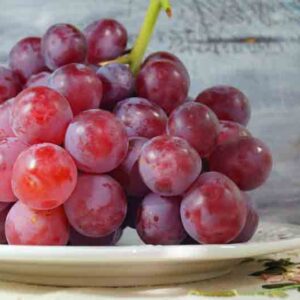
Zinfandel is first and foremost a wine grape. It is not a table grape in the usual horticultural sense, and it is not grown mainly for casual fresh eating. The berries are seeded, the skins matter, and management decisions are aimed at wine chemistry, fruit concentration, acid balance, and flavor maturity rather than snack quality.
The fruit can certainly be tasted in the vineyard, and many growers do that constantly during ripening, but that tasting is part of evaluating harvest readiness. Table grapes are usually selected for large berries, easy texture, and low seed prominence. Zinfandel is cultivated because it can become compelling wine, not because it behaves like a backyard snacking grape.
Zinfandel is self-pollinating, like most cultivated grapevines with perfect flowers. A single vine can set fruit without another cultivar nearby. Even so, fruit set still depends on bloom weather, vine balance, nutrient status, and general health. Poor bloom conditions can reduce set quality and cluster uniformity, just as they can in many other wine grapes.
Like other bunch grapes, Zinfandel fruits on shoots arising from one-year-old wood. That is one reason annual dormant pruning is essential. Without pruning, the vine becomes less balanced, fruiting wood is less disciplined, and the canopy often grows too dense for consistent fruit quality. Because Zinfandel already tends to present ripening complexity, structural discipline matters even more.
How Long Grapevines Take to Produce Fruit
Zinfandel is commonly described as a mid- to late-ripening premium red wine grape. That does not mean it behaves identically in every site. In practical terms, growers often think of Zinfandel less as a fixed calendar date and more as a balance point between sugar rise, acid retention, flavor development, and the challenge of uneven berry maturity.
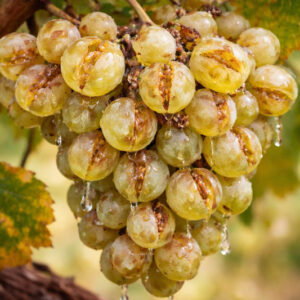
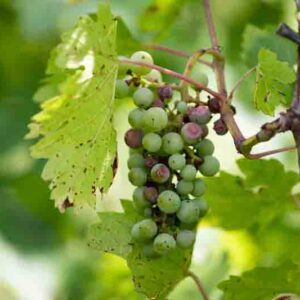
One of the best-known viticultural issues with Zinfandel is irregular cluster ripening. Some berries may appear fully ripe while others remain behind. This complicates harvest decisions because the goal is not simply dark color or high Brix. The goal is a crop that tastes coherent and balanced. Picking too early can leave wines hard or angular. Picking too late can drive alcohol upward and flatten freshness.
Why your Grapevine has Leaves but No Grapes
How to Tell When Grapes Are Ready to Harvest
Harvest tip: Do not harvest Zinfandel by sugar numbers alone. This variety can reach high sugar before every berry tastes fully integrated. Taste fruit repeatedly, assess cluster uniformity, and look for a shift from simple sweet berry notes toward deeper blackberry, plum, pepper, and spice.
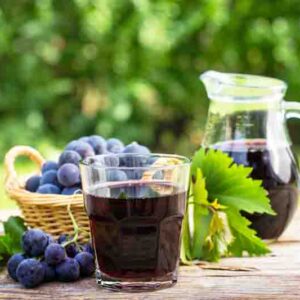
Zinfandel typically produces medium-sized blue-black berries in medium clusters, often with a style profile that feels generous, ripe, and full of character. In wine, that commonly translates into flavors of blackberry jam, raspberry preserve, black cherry, plum skin, cracked pepper, clove, baking spice, and occasionally licorice, cocoa, or smoky undertones.
Climate and picking choices shape style dramatically. In warmer regions or with later harvests, Zinfandel can become darker, richer, and more opulent, sometimes with a jammy edge. In slightly cooler sites or more restrained picking windows, it can show brighter fruit, firmer acidity, and more aromatic spice. That range is part of what keeps the grape interesting for both drinkers and growers.
Key fruit traits: blue-black berries, expressive berry-and-spice aromatics, and a flavor profile that can move from raspberry-bramble brightness to dark plum and pepper richness depending on site and harvest timing.
Zinfandel is adaptable, but it is not indifferent to site. It performs best in sunny, well-drained vineyard soils with enough structure to prevent waterlogging and enough restraint to avoid runaway vigor. Gravelly loams, volcanic soils, sandy loams, decomposed granite, and other free-draining soils often help produce more concentrated, better-balanced fruit.
That said, the grape does not require one single soil identity. What matters more is the interaction between soil, water status, and vine growth. Excessively fertile, wet, or compacted soils can encourage large canopies and diluted fruit. More moderate soils often support smaller crops, better exposure, and stronger flavor definition. In California, many of the most admired Zinfandel sites are valued precisely because the vine seems to respond clearly to place.
Site takeaway: Zinfandel rewards soils that drain well, moderate excess vigor, and help the vine ripen fruit steadily without chronic waterlogging or lush, shaded growth.
Like many important wine grapes, Zinfandel is not a single uniform planting type in commercial practice. It is grown through different selections and vineyard lineages that may vary in berry size, cluster behavior, yield pattern, and flavor profile. Old-vine vineyards can be especially diverse in plant material, which is part of their complexity and part of their management challenge.
Rootstock matters as well. Commercial Zinfandel is commonly planted on rootstocks chosen for vigor control, soil adaptation, nematode pressure, and phylloxera protection. Rootstock can influence canopy size, water uptake, and overall vine balance. For serious growers, Zinfandel quality depends not only on the variety name but also on how well the root system suits the site. Foundation Plant Services maintains registered Zinfandel and Primitivo material used by the industry, and its variety pages are the strongest source language for discussing identity and planting material.
Zinfandel is widely planted because it is adaptable, but adaptability does not mean it performs equally well in every setting. It does best in sunny sites with a season long enough to ripen fruit thoroughly without pushing the vine into chronic heat stress. California remains the iconic reference point because many of its regions offer that combination of sunlight, seasonal length, and suitable vineyard soils.
Excessive heat can drive sugar upward before acidity and flavor balance settle into place. Cool, shaded, or persistently wet sites can weaken ripening and increase rot pressure. The most compelling examples often come from places where the vine gets enough warmth to ripen cleanly while still retaining some freshness and aromatic detail.
When to Plant Grapes for Healthier Vines
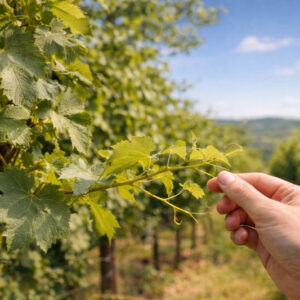
Zinfandel is a vigorous climbing vine that can exceed 15 to 20 feet if left untrained. That vigor is useful when properly managed, but it can become a liability when the vine throws too much canopy and shades its own fruit. Dense canopies reduce airflow, increase humidity in the fruit zone, and can make ripening less even rather than more.
Like many Vitis vinifera cultivars, Zinfandel responds best when managed for balance rather than maximum vegetative growth. The goal is not the biggest vine possible. The goal is a vine with enough leaf area to ripen the crop, enough structure to remain manageable, and enough openness to keep clusters healthy.
How to Grow Grapes Successfully at Home
Zinfandel is not disease resistant in the way that many hybrid grapes are. As a classic Vitis vinifera wine cultivar, it can be affected by the same major vineyard problems that challenge other premium wine grapes, including powdery mildew, downy mildew, black rot, and botrytis bunch rot, along with virus-related issues where present.
Botrytis deserves particular attention. Oregon State Extension describes Botrytis bunch rot as one of the most common fruit rots in wine grape vineyards and notes that infection can begin around bloom and become more visible as ripening advances, especially under wet conditions. Cluster-zone leaf removal and improved airflow are among the proven management tools that help reduce disease pressure. That advice is especially relevant for Zinfandel whenever canopies are dense or weather turns humid.
Watch for: Dense shaded fruit zones, wet weather near ripening, bunch rot pressure, and vines that race toward high sugar before the fruit tastes fully balanced.
Common Grapevine Problems and How to Fix Them
Zinfandel needs a sturdy support system, whether that means a backyard trellis, a vineyard wire setup, or traditional head training. Head-trained old vines are especially associated with classic California Zinfandel, and that form has become part of the grape’s visual identity. Modern trellised systems can also work well, especially where growers want more precise canopy positioning and easier vineyard operations.
The exact training method depends on vigor, row spacing, climate, and management goals, but the principle is the same: structure supports fruit quality. A well-designed system improves airflow, helps organize growth, and makes pruning, thinning, and harvest more effective.
Annual pruning is essential with Zinfandel. Like other bunch grapes, it fruits on shoots arising from one-year-old wood. That means dormant pruning determines how many fruitful nodes remain, how the vine will balance crop against leaf area, and how manageable the growing season becomes. Zinfandel does not reward neglect. Left unpruned or poorly structured, it can quickly become harder to control and less consistent in fruit quality.
Winter pruning is only the start. Zinfandel often benefits from in-season canopy management, including shoot positioning, lateral control, selective leaf removal, and sometimes crop adjustment. The goal is to create enough exposure and airflow to keep fruit healthy without scorching clusters or destabilizing ripening. With this variety, disciplined canopy work is central to quality.
How to Prune Grapevines for Bigger Harvests: Cane Pruning vs Spur Pruning
Zinfandel and Primitivo are genetically the same cultivar, but in practical wine terms they are not always discussed as if they were interchangeable. The difference is usually not genetics. It is site, climate, crop level, and winemaking style. California Zinfandel is often associated with exuberant fruit, peppery spice, and old-vine richness. Primitivo, especially in parts of southern Italy, may be framed somewhat differently depending on local ripening conditions and cellar decisions.
| Cultivar Name | Genetic Relationship | Typical Framing | Best Known For |
|---|---|---|---|
| Zinfandel | Same cultivar | California identity, old-vine prestige | Berry-rich reds, pepper, heritage vineyards |
| Primitivo | Same cultivar | Italian identity, warm-climate expression | Ripe dark fruit, robust body, Mediterranean style |
| Crljenak kaštelanski | Same cultivar | Croatian historical identity | Source identity in the grape’s origin story |
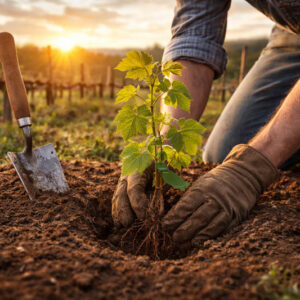
Zinfandel is not the best long-term container grape. A young vine may survive in a large pot for a while, and it can be grown temporarily as a learning project or ornamental specimen, but a serious wine grape intended for dependable yields and meaningful quality performs better in the ground. Containers magnify heat stress, water swings, and nutrient instability.
For ornamental effect, temporary container culture is possible. For dependable cropping, vine longevity, and more stable quality, in-ground planting with a proper support system is the better choice.
How to Grow Grapes in Containers (Expert Pot Guide)
Zinfandel is best suited to home vineyard growers, serious hobby winemakers, warm-climate gardeners, and growers who want a classic wine grape with personality and history. It is a better fit for people interested in vineyard craft than for gardeners who simply want an easy snack grape.
If your goal is to grow fruit for bold, expressive red wine, Zinfandel is one of the smartest iconic choices available. If your priority is fresh eating, seedless berries, or minimal annual work, another grape is likely to be the better fit. Zinfandel rewards attention, site awareness, and thoughtful harvest timing.
Growers exploring classic wine grapes may also consider Cabernet Sauvignon, Merlot, Pinot Noir, Syrah, and how to grow grapes in the home garden.
What is Zinfandel grape?
Zinfandel is a dark-skinned wine grape cultivar best known for producing bold, fruit-forward red wines with spice, warmth, and broad stylistic range.
Is Zinfandel a table grape?
No. Zinfandel is grown mainly as a wine grape. Its seeded berries and vineyard management profile make it much better suited to wine than to fresh eating.
What does Zinfandel taste like?
Zinfandel commonly shows blackberry, raspberry, plum, black cherry, pepper, baking spice, and sometimes licorice or smoky notes. Warmer sites often produce richer fruit, while slightly cooler sites can show more freshness and spice.
When does Zinfandel ripen?
Zinfandel is usually considered a mid- to late-ripening premium wine grape, though exact timing depends on climate, crop level, vine age, and site.
Is Zinfandel self-pollinating?
Yes. Zinfandel is self-pollinating, so a single vine can set fruit on its own, though bloom weather and vine health still affect fruit set quality.
What is Zinfandel used for?
Zinfandel is used mainly for varietal red wines, old-vine bottlings, heritage field blends, and rosé, especially White Zinfandel styles.
Why is Zinfandel grown so widely?
It is grown widely because it combines historical prestige, strong regional identity, expressive fruit, and the ability to make several different wine styles from one cultivar.
How big does a Zinfandel vine get?
A Zinfandel vine can reach 15 to 20 feet or more if left unpruned, so it needs a strong support system and yearly pruning.
What problems affect Zinfandel grapes?
Common issues include uneven ripening, excessive vigor, bunch rot such as Botrytis in wet seasons, and the same fungal and virus-related problems that affect many Vitis vinifera grapes.
Is Zinfandel the same as Primitivo?
Yes. DNA analysis established that Zinfandel and Primitivo are the same cultivar, also matching the Croatian grape Crljenak kaštelanski.
Bottom line: Vitis vinifera ‘Zinfandel’ remains one of the world’s most charismatic wine grapes because it combines heritage, expressive fruit, site sensitivity, and genuine stylistic breadth in one vine. With its blue-black fruit and signature berry-spice profile, it rewards good site selection, annual pruning, careful canopy management, and thoughtful harvest timing. Grow it where the season is long enough for clean ripening, the canopy can be kept balanced, and fruit can remain healthy through harvest, and Zinfandel can deliver grapes suited to truly memorable wine.
Updated: April 2026
| Hardiness |
7 - 10 |
|---|---|
| Heat Zones |
6 - 9 |
| Climate Zones | 4, 5, 6, 7, 8, 9, 14, 15, 16, 17, 18, 19, 20, 21, 22, 23 |
| Plant Type | Climbers, Fruits, Shrubs |
| Plant Family | Vitaceae |
| Genus | Vitis |
| Common names | Grape |
| Exposure | Full Sun |
| Season of Interest | Summer (Early, Mid, Late), Fall |
| Height | 15' - 20' (4.6m - 6.1m) |
| Spread | 6' - 10' (180cm - 3m) |
| Spacing | 120" (3m) |
| Maintenance | High |
| Water Needs | Average |
| Soil Type | Chalk, Loam, Sand |
| Soil pH | Alkaline, Neutral |
| Soil Drainage | Moist but Well-Drained, Well-Drained |
| Characteristics | Showy, Fruit & Berries |
| Tolerances | Heat, Fire |
| Attracts | Bees, Birds |
| Garden Uses | Arbors, Pergolas, Trellises, Wall-Side Borders, Walls And Fences |
| Garden Styles | City and Courtyard, Informal and Cottage |
| Toxic to Humans | No known toxicity |
| Toxic to Cats | No known toxicity |
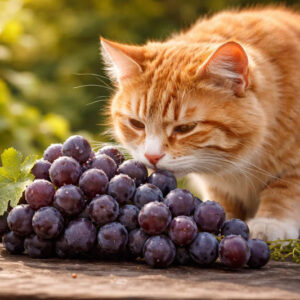
| Toxic to Dogs | Toxic |
| Toxic to Horses | No known toxicity |


| Hardiness |
7 - 10 |
|---|---|
| Heat Zones |
6 - 9 |
| Climate Zones | 4, 5, 6, 7, 8, 9, 14, 15, 16, 17, 18, 19, 20, 21, 22, 23 |
| Plant Type | Climbers, Fruits, Shrubs |
| Plant Family | Vitaceae |
| Genus | Vitis |
| Common names | Grape |
| Exposure | Full Sun |
| Season of Interest | Summer (Early, Mid, Late), Fall |
| Height | 15' - 20' (4.6m - 6.1m) |
| Spread | 6' - 10' (180cm - 3m) |
| Spacing | 120" (3m) |
| Maintenance | High |
| Water Needs | Average |
| Soil Type | Chalk, Loam, Sand |
| Soil pH | Alkaline, Neutral |
| Soil Drainage | Moist but Well-Drained, Well-Drained |
| Characteristics | Showy, Fruit & Berries |
| Tolerances | Heat, Fire |
| Attracts | Bees, Birds |
| Garden Uses | Arbors, Pergolas, Trellises, Wall-Side Borders, Walls And Fences |
| Garden Styles | City and Courtyard, Informal and Cottage |
| Toxic to Humans | No known toxicity |
| Toxic to Cats | No known toxicity |
| Toxic to Dogs | Toxic |
| Toxic to Horses | No known toxicity |
How many Vitis vinifera ‘Zinfandel’ (Grape) do I need for my garden?
| Plant | Quantity | |
|---|---|---|
| Vitis vinifera ‘Zinfandel’ (Grape) | N/A | Buy Plants |
Create a membership account to save your garden designs and to view them on any device.
Becoming a contributing member of Gardenia is easy and can be done in just a few minutes. If you provide us with your name, email address and the payment of a modest $25 annual membership fee, you will become a full member, enabling you to design and save up to 25 of your garden design ideas.
Join now and start creating your dream garden!
Create a membership account to save your garden designs and to view them on any device.
Becoming a contributing member of Gardenia is easy and can be done in just a few minutes. If you provide us with your name, email address and the payment of a modest $25 annual membership fee, you will become a full member, enabling you to design and save up to 25 of your garden design ideas.
Join now and start creating your dream garden!