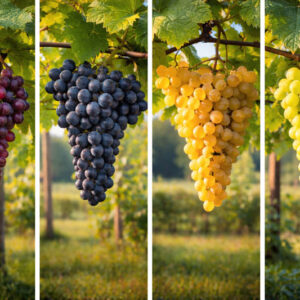
Black Corinth Grape, Black Corinth, Corinth Grape, Corinth Raisin Grape, Zante Currant, Zante Grape, Corinthian Raisin Grape, Champagne Grape, Currant Grape, Raisin De Corinth, Aiga Passera, Alga Passera, Black Ascalon, Corinto Nero, Crni Korint, Korinka Chernaya, Korinthusi Kek, Mavri Korinthiaki, Panariti, Passa Minor, Passerina, Patras Current, Stafida Mavro, Uva Passa
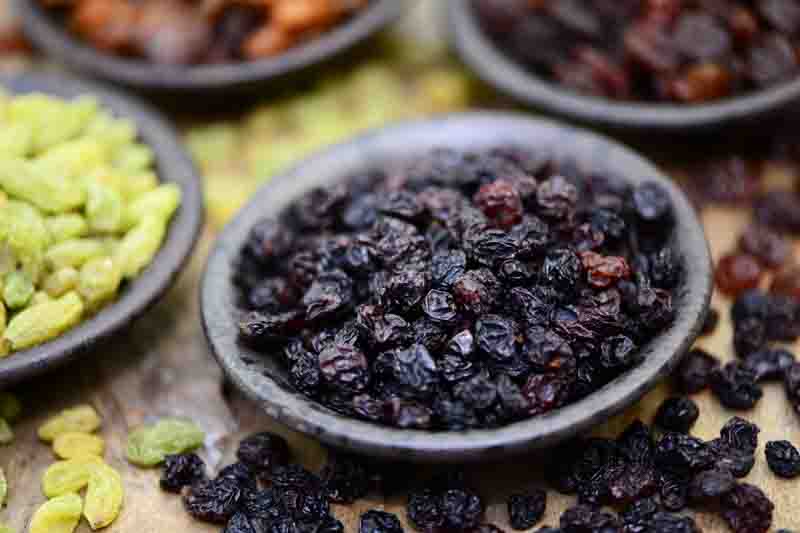
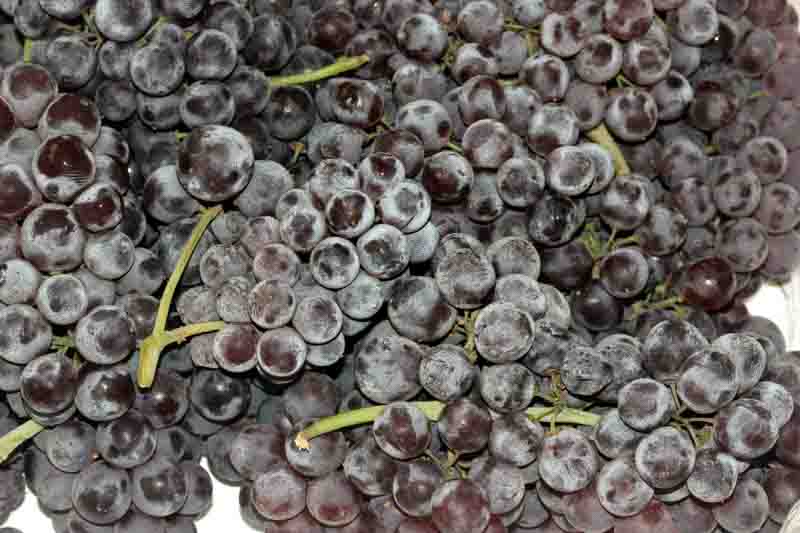


Vitis vinifera ‘Black Corinth’, commonly known as the Black Corinth grape, is one of the most distinctive historic seedless grape cultivars in cultivation. It is best known as the grape behind Zante currants, the tiny dried fruits long prized in breads, cakes, buns, puddings, and other traditional baked goods. Although the berries are very small, the cultivar itself has a large horticultural and culinary footprint. Black Corinth is an ancient grape with a long commercial record, a deep synonym history, and a highly specialized role in drying, baking, and specialty culinary use.
This deciduous grapevine stands apart because it is truly parthenocarpic, a trait linked to its unusually small, seedless berries. That single feature helps explain why the grape behaves so differently from modern supermarket seedless grapes. Black Corinth is often sold in the nursery trade as “Champagne grape,” but that retail nickname can blur its real identity. Botanically and historically, this is Black Corinth, an ancient Greek Vitis vinifera grape best known for currants rather than for large fresh-market fruit.
Vitis vinifera ‘Black Corinth’ is a classic seedless grape known for tiny dark berries, concentrated sweetness, and exceptional drying quality. Plant it in full sun with excellent drainage, train it on a sturdy support, and prune it annually to keep the vine balanced, airy, and productive. Expect dense clusters of miniature black grapes used for currants, specialty fresh eating, and old-world culinary applications rather than standard supermarket-style table grape production.
Use: Primarily grown for currants, drying, baking, specialty culinary use, and niche fresh eating.
Highlight: Tiny seedless berries with high flavor concentration and strong historic value.
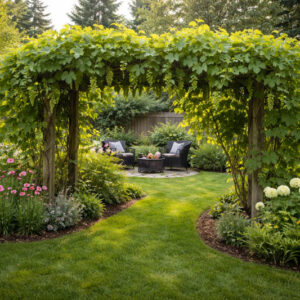
Design note: Black Corinth can also serve as an ornamental edible vine for pergolas, fences, and trellises where a vigorous fruiting grape is desired.
| Botanical Name | Vitis vinifera ‘Black Corinth’ |
|---|---|
| Family | Vitaceae |
| Common Names | Black Corinth grape, Zante currant grape, sometimes marketed as Champagne grape |
| Plant Type | Deciduous fruiting vine, seedless grape, currant grape |
| USDA Hardiness Zones | 7-10, with best performance where summers are warm, sunny, and relatively dry |
| Growth Habit | Vigorous climbing vine that needs structured training and annual pruning |
| Height | 15-20 ft. or more depending on training and pruning |
| Spread | 6-10 ft. or more depending on support system |
| Sun Exposure | Full sun |
| Soil | Well-drained soil; best quality comes from sites that do not stay wet or overly fertile |
| Ripening Season | Usually mid to late season; in warm inland California conditions it may ripen as early as mid-August |
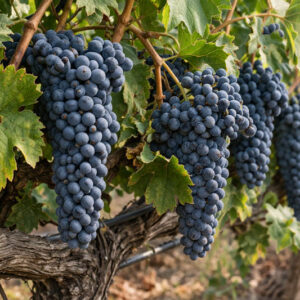
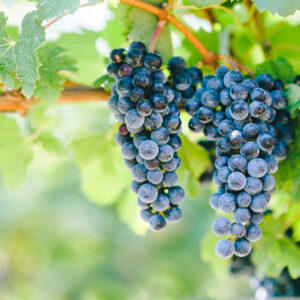
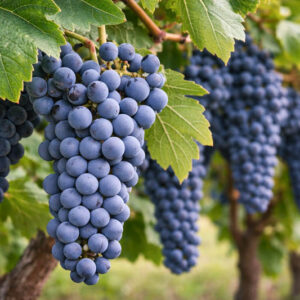
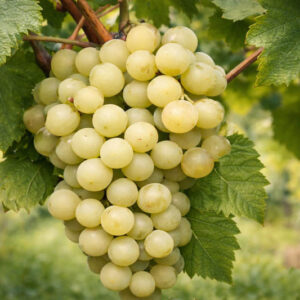
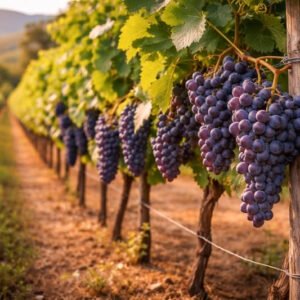
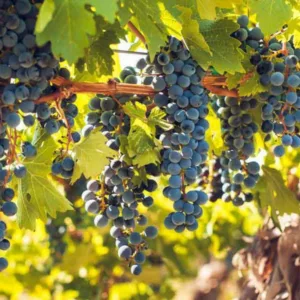
| Fruit | Tiny round black berries in tight clusters; seedless and highly concentrated in flavor |
| Main Uses | Currants, drying, baking, specialty fresh fruit |
| Flavor Direction | Sweet, spicy, dark-fruited, concentrated, with dried-fruit richness after drying |
| Harvest Goal | Maximum sweetness, sound berry condition, and even ripeness across tight clusters before drying or fresh use |
Black Corinth is special because it turns miniature seedless fruit into a world-famous dried product. Most grapes are judged by size, crunch, shipping durability, or wine chemistry. Black Corinth is judged by concentration. Its berries are tiny, but that small size is exactly the point. When dried, the result is not a standard raisin. It becomes a currant: small, dark, sweet, intense, and highly useful in the kitchen.
That specialization is what keeps the cultivar relevant. It is grown today by gardeners and specialty growers who want true currants, a heritage fruit crop, or a distinctive edible vine with culinary value that goes well beyond casual snacking.
Why this grape keeps its reputation: Black Corinth combines ancient heritage, true seedlessness, tiny concentrated berries, and unmatched currant quality in one vine.
| Origin | Greece; historically linked to Corinth and the wider Greek currant trade |
|---|---|
| Identity | An ancient black Vitis vinifera cultivar with many synonyms |
| Prime name record | VIVC prime name: Korinthiaki Mavro |
| Fruit color | Black to very dark purple-black |
| Berry size | Extremely small |
| Cluster type | Tight bunches of miniature berries |
| Seed presence | Seedless; truly parthenocarpic |
| Main uses | Currants, drying, baking, specialty table use |
Black Corinth is an ancient Greek grape, and that matters because this is not a recently commercialized niche fruit. It is one of the enduring cultivars of Mediterranean agriculture. Its accepted identity in grape collections is tied to Greece, and its English name points directly to Corinth, the region most strongly associated with the currant trade. The VIVC passport record preserves the prime name Korinthiaki Mavro, while UC Davis Foundation Plant Services records Black Corinth as the common nursery-facing name in the United States.
Historically, dried currants from this grape became an important trade commodity. In Britain and across Europe, currants became staple ingredients in cakes, buns, puddings, breads, and seasonal baking. Its long synonym list, including Zante Currant, Currant Grape, Black Corinto, Corinth noir, and Corinthe noire, reflects how widely the cultivar traveled and how commercially important it became.
Traditional currant production: The classic grape for true Zante currants.
Historic edible gardens: A living piece of Mediterranean horticultural history.
Warm, sunny sites: Best where fruit can ripen cleanly and dry weather limits bunch rot.
Bakers and preservers: Excellent when the harvest is destined for drying and pantry use.
Collectors of unusual fruit: One of the most distinctive seedless grapes in cultivation.
In practical horticultural terms, Black Corinth is a specialty-use seedless vinifera grape. It is not a modern table grape selected for extra-large berries and broad shipping appeal. It is also not chiefly grown because of a signature varietal wine style. Instead, it occupies a narrower but valuable category: a grape cultivated for small-fruit concentration and drying performance.
If you judge Black Corinth by the standards of a giant supermarket table grape, you will misunderstand it immediately. Success here means healthy clusters, rich sweetness, full ripeness, and berries that dry beautifully into currants.
Black Corinth is notable because of its true parthenocarpy, a trait linked to its exceptionally small berries. Like bunch grapes generally, it fruits on shoots that arise from one-year-old wood, which is why annual pruning is essential for crop quality and structure.
How Long Grapevines Take to Produce Fruit
Black Corinth is usually best treated as a mid to late-season grape, though harvest timing depends on heat accumulation, exposure, pruning, and local climate. In warm inland California conditions, nursery references may list it as ripening around mid-August. That is a useful warm-site benchmark, not a universal harvest date. Cooler gardens and milder regions should expect a later finish.
Because the berries are so small and the clusters can be tight, waiting for even maturity is important. Harvest too early and the fruit tastes merely small, not special. Harvest at the right moment and the cultivar becomes what it is meant to be: sweet, concentrated, and slightly spicy.
Harvest tip: With Black Corinth, size tells you almost nothing. Taste repeatedly and watch the whole cluster. The best fruit is tiny but fully sweet, evenly dark, and still sound enough to dry without rot or splitting.
Why your Grapevine has Leaves but No Grapes
How to Tell When Grapes Are Ready to Harvest
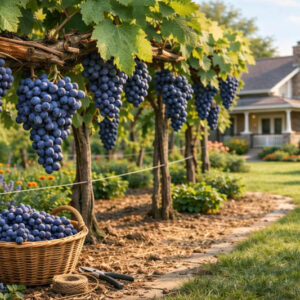
The fruit is the headline here: tiny, black, seedless berries packed into dense clusters. That miniature scale is not a flaw. It is the defining feature that gives the grape its identity and culinary value.
Fresh fruit can be appealing when fully ripe: sweet, concentrated, and often slightly spicy. Once dried, that intensity becomes even more obvious. The grapes transform into currants with deep sweetness, dark-fruit richness, and the compact texture bakers value because the fruit disperses evenly through doughs, cakes, breads, and buns.
Key fruit traits: extremely small berries, no mature seeds, concentrated sweetness, and outstanding drying quality.
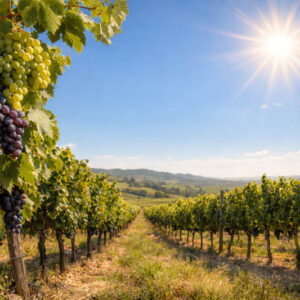
Black Corinth wants the same core conditions that most high-quality bunch grapes want: full sun, good airflow, and excellent drainage. Wet feet, dense shade, and overfertile soils make life harder. Because the clusters are tight and the berries are small, the vine especially benefits from sites that help fruit dry quickly after dew or rain.
In richer soils, the vine can become too vigorous. Heavy canopy growth shades the fruit zone, reduces air movement, and raises the odds of mildew or bunch rot. A moderately lean, well-drained site often produces better results than a pampered one.
Site takeaway: Black Corinth performs best where the vine gets abundant sun, the roots never sit in water, and the canopy can be kept open around the clusters.
Black Corinth is an old cultivar with a complicated naming history rather than a modern grape marketed around a long clone catalog. Foundation Plant Services lists a provisional selection, Black Corinth [03], with source material tied to Greece. That is useful because it confirms the cultivar remains conserved and documented in formal grapevine collections.
The synonym story is even more revealing. Black Corinth appears under names such as Zante Currant, Currant Grape, Black Corinto, Corinth noir, Corinthe noire, and many other linguistic variants. VIVC records the prime name as Korinthiaki Mavro. “Champagne grape” is the most common retail nickname, but it is not the cultivar’s authoritative botanical or registry identity.
This is a grape for warm to hot climates, especially where summers are sunny and late-season moisture is limited. Dense clusters and tiny berries are excellent for drying, but humid ripening weather can work against clean fruit quality. In practical garden terms, Black Corinth makes the most sense in Zones 7-10, especially where summer heat is reliable.
When to Plant Grapes for Healthier Vines
Black Corinth is a vigorous climber. A healthy vine will run along trellises, wires, arbors, and pergolas, but vigor without structure creates dense shade, tangled canes, and weaker fruit quality. The goal is balance: enough canopy to ripen fruit, but enough openness to keep clusters exposed to light and moving air.
How to Grow Grapes Successfully at Home
Black Corinth is a classic Vitis vinifera bunch grape, so it should be managed with realistic expectations about disease. It is not a carefree disease-resistant hybrid. Powdery mildew is one of the most important threats to grapes generally, and tight bunches also raise concern because moisture can linger around the fruit, making rot more likely in humid ripening conditions.
Black rot and other fruit rots can also become serious problems in wetter climates. For Black Corinth, cluster compactness means prevention matters more than rescue. Good spacing, pruning, sanitation, and airflow are the foundation of keeping the crop usable.
Watch for: powdery mildew, black rot, bunch rots, heavy shading, delayed drying after rain, and bird damage near ripening.
Common Grapevine Problems and How to Fix Them
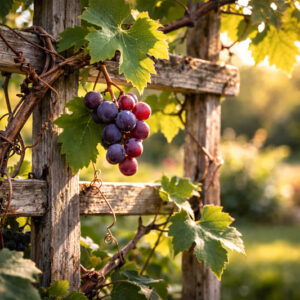
Black Corinth needs a strong support system. A trellis is usually the easiest way to keep the vine productive and manageable, but arbors and pergolas also work well if the goal includes shade and ornamental value. A pergola suits edible landscapes; a trellis is usually easier for pruning, tying, fruit inspection, and disease management.
Annual dormant pruning is non-negotiable with Black Corinth. Because next year’s crop is borne on shoots arising from one-year-old wood, pruning regulates crop load, renews the structure, and prevents the vine from turning into a dense thicket. Canopy management during the growing season matters just as much because crowded growth reduces air movement and raises disease pressure around the fruit.
How to Prune Grapevines for Bigger Harvests: Cane Pruning vs Spur Pruning
Comparing Black Corinth with modern seedless table grapes is useful because it clarifies what this cultivar is for. A Flame Seedless, Crimson Seedless, or supermarket black seedless grape aims for large berries, broad appeal, and convenient fresh eating. Black Corinth aims first for concentration, currants, and heritage use.
| Feature | Black Corinth | Modern Seedless Table Grapes |
|---|---|---|
| Berry size | Extremely small | Medium to large |
| Main use | Currants, drying, specialty use | Fresh eating |
| Seedlessness type | True parthenocarpy | Usually stenospermocarpy |
| Best-known value | Historic currants | Snack-friendly fresh fruit |
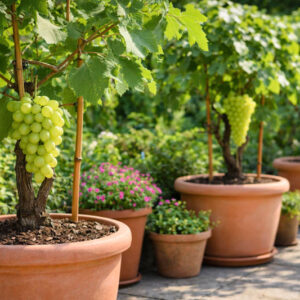
Black Corinth is possible but not ideal in long-term containers if the goal is serious cropping. A young vine can be grown decoratively in a large container for a while, especially on a patio trellis, but grapes in pots demand closer attention to irrigation, feeding, root room, and summer heat stress. If you want dependable harvests and easier vine balance, planting in the ground is the stronger option.
How to Grow Grapes in Containers (Expert Pot Guide)
Black Corinth is best suited to warm-climate gardeners, specialty fruit growers, bakers, heritage-fruit collectors, and anyone who wants real currants from their own vine. If your goal is large fresh-market berries, choose another cultivar. If your goal is a tray of home-dried currants for winter baking, Black Corinth is exactly the right grape.
Growers exploring classic or useful grapes may also consider Zinfandel, Cabernet Sauvignon, Merlot, and how to grow grapes in the home garden.
Black Corinth is an ancient black Vitis vinifera grape cultivar from Greece, best known for producing the tiny dried fruits sold as Zante currants.
Zante currants are the dried fruit made from Black Corinth grapes. The grape itself is Black Corinth; the dried product is a currant.
Black Corinth is often sold under the retail nickname “Champagne grape,” but Champagne grape is not its formal registry identity. The accepted cultivar name is Black Corinth, with the Greek prime name Korinthiaki Mavro in VIVC.
Yes. Black Corinth is seedless and is notable because it is truly parthenocarpic, a trait linked to its exceptionally small berries.
When ripe, Black Corinth grapes taste sweet, concentrated, and slightly spicy. Once dried, they become deeply flavored currants used in cakes, breads, buns, and other baked goods.
Black Corinth usually ripens from mid to late season, depending on climate. In hot inland California conditions it may be ready around mid-August, while cooler areas ripen later.
Yes. They can be eaten fresh when fully ripe, but the cultivar is more famous for drying into currants than for large-scale fresh-market use.
It is used primarily for currants, drying, baking, and specialty culinary applications.
A mature Black Corinth vine can reach 15 to 20 feet or more if left unpruned, so it needs a sturdy support system and yearly pruning.
Common issues include powdery mildew, black rot, bunch rots in humid weather, excessive shading from vigorous growth, and bird damage near harvest.
Bottom line: Vitis vinifera ‘Black Corinth’ remains one of the world’s most distinctive specialty grapes because it combines history, true seedlessness, tiny high-sugar berries, and unmatched currant value in a single vine. With full sun, warmth, good drainage, annual pruning, and careful canopy management, it can produce a harvest that feels both traditional and highly useful in the modern kitchen.
Updated: April 2026
| Hardiness |
7 - 10 |
|---|---|
| Heat Zones |
6 - 9 |
| Climate Zones | 4, 5, 6, 7, 8, 9, 14, 15, 16, 17, 18, 19, 20, 21, 22, 23 |
| Plant Type | Climbers, Fruits, Shrubs |
| Plant Family | Vitaceae |
| Genus | Vitis |
| Common names | Grape |
| Exposure | Full Sun |
| Season of Interest | Summer (Early, Mid, Late), Fall |
| Height | 15' - 20' (4.6m - 6.1m) |
| Spread | 6' - 10' (180cm - 3m) |
| Spacing | 120" (3m) |
| Maintenance | High |
| Water Needs | Average |
| Soil Type | Chalk, Loam, Sand |
| Soil pH | Alkaline, Neutral |
| Soil Drainage | Moist but Well-Drained, Well-Drained |
| Characteristics | Showy, Fruit & Berries |
| Attracts | Bees, Birds |
| Garden Uses | Arbors, Pergolas, Trellises, Wall-Side Borders, Walls And Fences |
| Garden Styles | City and Courtyard, Informal and Cottage |


| Hardiness |
7 - 10 |
|---|---|
| Heat Zones |
6 - 9 |
| Climate Zones | 4, 5, 6, 7, 8, 9, 14, 15, 16, 17, 18, 19, 20, 21, 22, 23 |
| Plant Type | Climbers, Fruits, Shrubs |
| Plant Family | Vitaceae |
| Genus | Vitis |
| Common names | Grape |
| Exposure | Full Sun |
| Season of Interest | Summer (Early, Mid, Late), Fall |
| Height | 15' - 20' (4.6m - 6.1m) |
| Spread | 6' - 10' (180cm - 3m) |
| Spacing | 120" (3m) |
| Maintenance | High |
| Water Needs | Average |
| Soil Type | Chalk, Loam, Sand |
| Soil pH | Alkaline, Neutral |
| Soil Drainage | Moist but Well-Drained, Well-Drained |
| Characteristics | Showy, Fruit & Berries |
| Attracts | Bees, Birds |
| Garden Uses | Arbors, Pergolas, Trellises, Wall-Side Borders, Walls And Fences |
| Garden Styles | City and Courtyard, Informal and Cottage |
How many Vitis vinifera ‘Black Corinth’ (Grape) do I need for my garden?
| Plant | Quantity | |
|---|---|---|
| Vitis vinifera ‘Black Corinth’ (Grape) | N/A | Buy Plants |
Create a membership account to save your garden designs and to view them on any device.
Becoming a contributing member of Gardenia is easy and can be done in just a few minutes. If you provide us with your name, email address and the payment of a modest $25 annual membership fee, you will become a full member, enabling you to design and save up to 25 of your garden design ideas.
Join now and start creating your dream garden!
Create a membership account to save your garden designs and to view them on any device.
Becoming a contributing member of Gardenia is easy and can be done in just a few minutes. If you provide us with your name, email address and the payment of a modest $25 annual membership fee, you will become a full member, enabling you to design and save up to 25 of your garden design ideas.
Join now and start creating your dream garden!