Frontenac Gris, Frontenac Gris grape, White wine grape ‘Frontenac Gris’, Vitis × ‘Frontenac Gris’
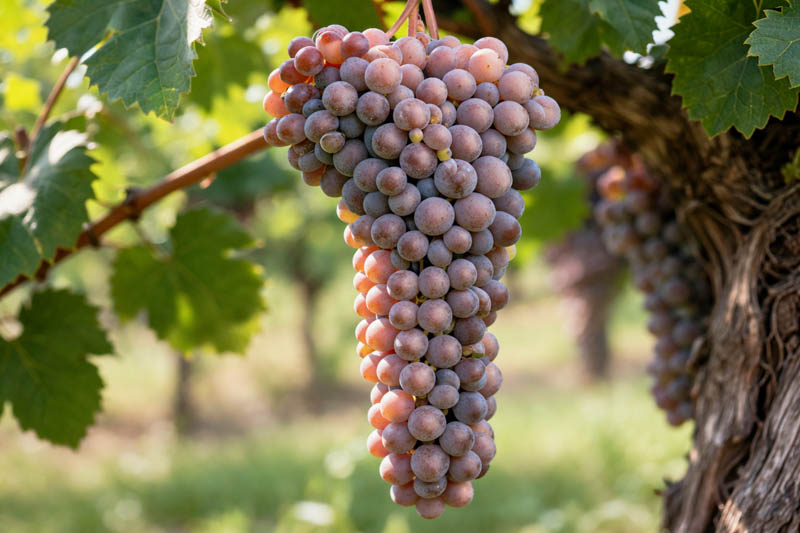


Vitis ‘Frontenac Gris’, commonly known as the Frontenac Gris Grape, is one of the most successful cold-hardy white wine grapes for northern vineyards. Released in 2003, Frontenac Gris quickly earned a reputation for combining exceptional winter hardiness, strong vigor, reliable productivity, and expressive fruit character. It is a pink-berried sport of Frontenac, and while it shares much of the rugged vineyard performance of the original cultivar, it brings a very different personality to the glass – lush aromatics, generous body, and vivid flavors of peach, pineapple, and honey.
For growers in Minnesota, Wisconsin, Iowa, New York, New England, and other short-season regions, Frontenac Gris has become a cornerstone grape for white wine, off-dry wine, late-harvest wine, and ice wine. It is especially valued because it can handle harsh winters that damage many traditional wine grapes, yet still ripen fruit with enough sugar and flavor concentration to produce wines of real distinction. In the vineyard, it is dependable and adaptable. In the winery, it is versatile and highly marketable.
Vitis ‘Frontenac Gris’ is a cold-hardy hybrid grapevine bred for wine production in northern climates. Plant it in full sun with excellent drainage, avoid wet soils, train it on a sturdy trellis, and prune annually to manage its moderately high vigor and crop load. Expect loose, medium-sized conical clusters of pink to purple-red grapes that can produce richly flavored white wines with peach, pineapple, and honey notes, usually harvested in late September in Minnesota, with later harvests possible for late-harvest and ice wine styles.
Use: Primarily cultivated for white wine, off-dry wine, late-harvest wine, and ice wine production, with occasional use in blends and specialty styles.
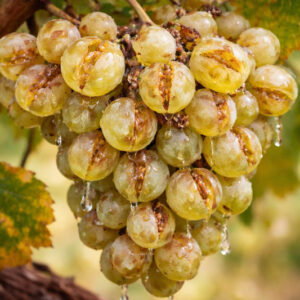
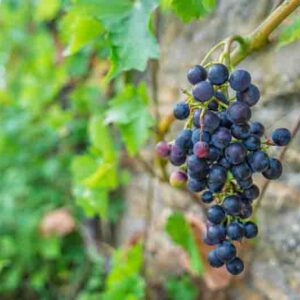
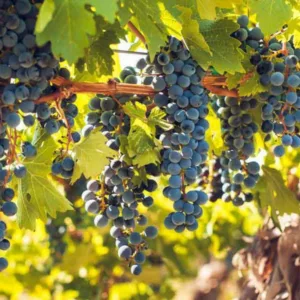
Highlight: Loose, medium-sized clusters with pink to purple-red berries, generous body, and strong peach-pineapple fruit character that suit distinctive cold-climate wines.
Design note: Frontenac Gris vines are vigorous and attractive on trellises, arbors, and backyard vineyard structures, though they perform best with disciplined pruning and canopy management.
| Botanical Name | Vitis ‘Frontenac Gris’ |
|---|---|
| Family | Vitaceae (Grape family) |
| Common Names | Frontenac Gris Grape |
| Plant Type | Deciduous fruiting vine, cold-hardy hybrid grape |
| Hardiness (approx. USDA) | Zones 4-8; a leading white wine grape for very cold regions |
| Minimum Temperature | Can survive winter cold events down to about -35°F (-37°C) |
| Height | 10-20 ft. depending on pruning and support |
| Spread | 2-10 ft. depending on training system and spacing |
| Sun Exposure | Full sun |
| Soil | Well-drained soil; avoid wet sites, poor drainage, and high water tables |
| Harvest Season | Late September in east-central Minnesota; later for late-harvest and ice wine styles |
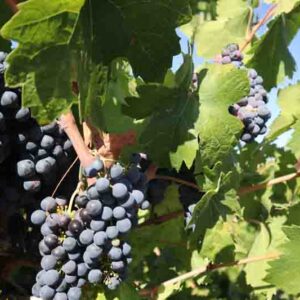
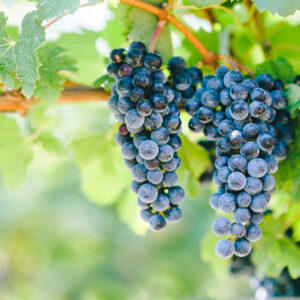
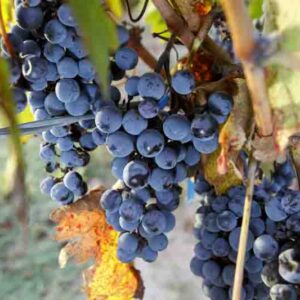
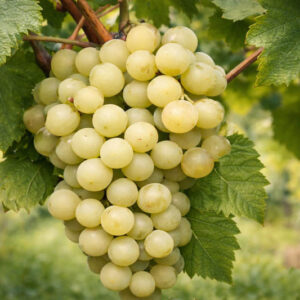
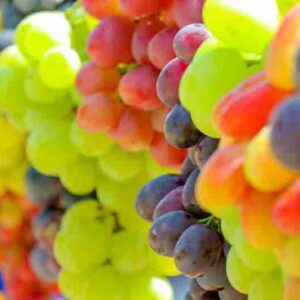
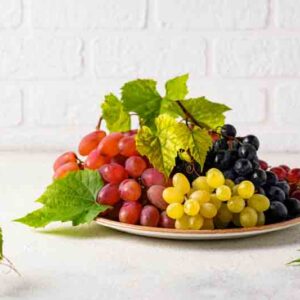
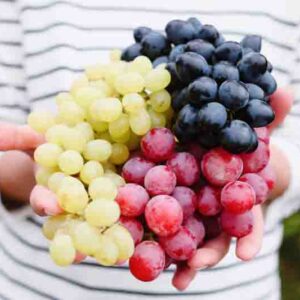
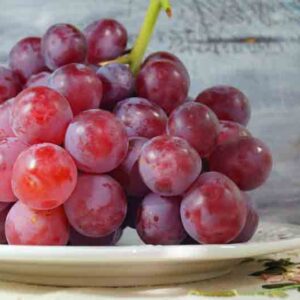
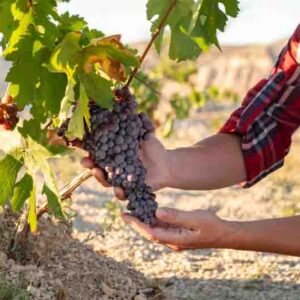
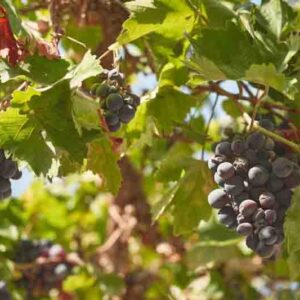
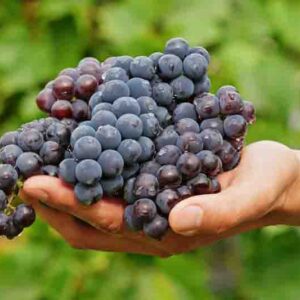
| Fruit | Loose, medium-sized conical clusters averaging about 131 g and 18 cm long, with pink to purple-red berries that can yield white wine with a blush or salmon tint |
Frontenac Gris stands out because it delivers something northern growers rarely get in one package: serious cold hardiness, consistent cropping, flexible training options, and highly aromatic wine quality. It is not simply a hardy grape that survives difficult winters. It is a cultivar that can produce compelling wines with real varietal identity. That distinction matters. Plenty of grapes live through winter. Far fewer create bottles people remember.
The variety is especially prized for its fruit profile. Frontenac Gris wines are often described as peachy, tropical, honeyed, and full-bodied, with flavors of peach, pineapple, apricot, and citrus layered over bright natural acidity. Depending on skin contact and cellar technique, the finished wine can range from pale white with a blush of salmon to a much deeper hue. That range gives winemakers a broad stylistic canvas and gives growers a grape that can serve multiple market niches.
Why growers love it: Frontenac Gris pairs rugged vineyard performance with a wine profile that feels generous, aromatic, and unmistakably marketable.
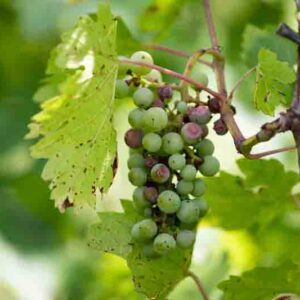
Frontenac Gris was released in 2003 and is a pink-berried variant of Frontenac. The word gris refers to the grape’s grayish skin tone, though the berries often appear pink, dusty rose, or purple-red depending on ripeness and light. It retains many of the viticultural strengths that made Frontenac famous, including hardiness, vigor, and cropping reliability, but it shifts the fruit expression into the white wine spectrum.
That combination gave cold-climate growers something they badly needed: a dependable grape that could produce fruit-forward white wines with body and character in places where classic vinifera grapes often struggle. In many northern vineyards, Frontenac Gris became a bridge between practical farming realities and premium wine ambition.
Cold-climate white wine production: A proven option for northern vineyards.
Late-harvest and ice wine: Especially useful where acidity and flavor concentration matter.
USDA Zone 4 vineyards: Excellent where winter survival drives planting decisions.
Backyard vineyards: A strong choice for serious home winemakers with proper support.
Growers who want flexibility: Suitable for dry, off-dry, aromatic, and dessert wine styles.
Frontenac Gris is primarily a wine grape, not a classic table grape. Its value lies in its chemistry, flavor concentration, and adaptability in the winery. The berries can be attractive and flavorful, but the real payoff comes after pressing and fermentation, where the grape’s peach, pineapple, and honey notes become far more compelling than they do at the table.
If you want a backyard grape for casual snacking, seedlessness and mild sweetness usually matter more than cellar potential. Frontenac Gris is different. It is a cultivar designed for people who care about white wine quality, cold-hardiness, and aromatic expression.
Frontenac Gris grapes are self-pollinating, so you do not need a second grape variety nearby for fruit set. That makes the variety practical for home growers and efficient for commercial blocks planted to a single cultivar. Like other bunch grapes, it fruits on the current season’s shoots that arise from one-year-old wood.
This grape can be impressively productive. Frontenac Gris may carry up to 3 clusters per shoot, and each vine can produce up to 12 pounds of fruit under good management. Because it is capable of setting a large crop, shoot thinning and balanced pruning are not optional details. They are essential tools for maintaining vine balance and preserving wine quality.
How Long Grapevines Take to Produce Fruit
Frontenac Gris has an early-midseason bud break and is generally considered a midseason-harvested variety. In east-central Minnesota, the average harvest date is about September 27. That timing places it earlier than the original Frontenac, which is one reason many growers appreciate it in shorter or more variable seasons.
Still, harvest date is not a fixed rule. Many growers choose to leave the fruit longer, especially when the weather cooperates. Additional hang time can reduce acidity, intensify aromas, and deepen color. That flexibility is one reason Frontenac Gris works so well for late-harvest wines and ice wine programs.
Why your Grapevine has Leaves but No Grapes
How to Tell When Grapes Are Ready to Harvest
Harvest tip: Frontenac Gris often tastes better than the numbers alone suggest. Let flavor, acidity, and fruit expression guide harvest, not sugar readings by themselves.
Frontenac Gris is generally harvested when soluble solids reach 23-26 °Brix and the pH is around 3.0. Titratable acidity can be high, reaching 14 g/L in the juice. Those numbers help explain both the grape’s promise and its technical demands. It ripens enough sugar for serious wine, but it also holds substantial acidity, especially in cooler seasons.
That high acidity is not a flaw. It is part of the cultivar’s signature. In the right hands, it supports freshness, length, and age-worthiness. Yeast selection, harvest timing, and sensible amelioration can all help shape the final style. For dessert wine and late-harvest bottlings, the balance can be especially impressive.
Key harvest targets: 23-26 °Brix, about pH 3.0, and potentially 14 g/L titratable acidity, with later harvests often improving flavor concentration and balance.
The answer is simple: flavor intensity and texture. Frontenac Gris wines often show more body than many growers expect from a cold-hardy white grape. The signature profile is fruity and expressive, with peach, pineapple, honey, and sometimes apricot or tropical notes. That makes the cultivar easy to position in tasting rooms and easy for consumers to remember.
Its pink-skinned berries also create stylistic flexibility. Even when made in a white wine style, the juice can carry a gentle salmon tint. With different maceration choices, the wine may become more deeply colored. That allows winemakers to move from crisp white expressions toward richer, more textured specialty bottlings.
Flavor profile: Think peach nectar, ripe pineapple, floral fruit, and hints of honey supported by vivid cold-climate acidity.
One of Frontenac Gris’s defining strengths is its extreme winter hardiness. Trials have shown it to be hardy down to about -35°F (-37°C), placing it among the most dependable wine grapes for northern conditions. It is about as hardy as Frontenac and Frontenac Blanc, and only slightly less hardy than Itasca.
Best Grapes for Zone 4 – Cold Hardy Varieties that Work
Just as important, Frontenac Gris is reliably fruitful on secondary buds, which are often less damaged during severe Minnesota winters. That trait matters tremendously in real vineyards, because it supports more dependable cropping after cold injury events. In practice, this means the vine is not only hardy – it is resilient.
When to Plant Grapes for Healthier Vines
Cold-climate takeaway: Frontenac Gris is one of the rare aromatic white wine grapes that combines marketable wine quality with proven survival in brutal northern winters.
Frontenac Gris has moderately high vigor. That is good news during vineyard establishment because the vines fill space readily and can create strong cordons. It also means they can outgrow weak management quickly. On fertile sites, excessive canopy growth can shade clusters, reduce airflow, and delay ripening.
Well-managed vigor is an asset. Unchecked vigor is a quality problem. The difference lies in training, pruning, crop load adjustment, and leaf removal.
Frontenac Gris has a reputation for good overall disease performance, but it is not immune to trouble. University of Minnesota vineyard observations show it is moderately susceptible to powdery mildew and leaf phylloxera, with low to moderate susceptibility to black rot and very low susceptibility to downy mildew and bunch rots such as Botrytis.
That profile gives growers a useful advantage, but not a free pass. A fungicide program around bloom, paired with good airflow and sunlight exposure, remains part of professional management. Monitoring for leaf phylloxera is especially important in blocks where pressure is known.
Common Grapevine Problems and How to Fix Them
Watch for: Good natural resilience does not replace vineyard discipline. Powdery mildew, phylloxera, crop overload, and dense canopies still need active management.
Frontenac Gris can be trained successfully to Vertical Shoot Positioning (VSP), High Wire (HW), or Geneva Double Curtain (GDC), depending on site vigor and grower preference. Its semi-trailing growth habit makes it naturally compatible with High Wire, but it can also adapt well to VSP when labor and canopy control are available.
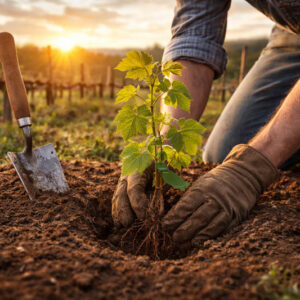
Spacing and trellis design should reflect expected vigor. A common target is about 6-8 feet between vines, with training choices driven by equipment, row spacing, and vegetative pressure. Backyard growers can also use sturdy trellises and arbors, but production quality improves when the vine is given a structured system and enough sunlight.
Both spur pruning and cane pruning are acceptable for Frontenac Gris. A practical target is 6-8 buds per linear foot of cordon, or about 35-50 buds per vine at 6-foot spacing. The vine typically has a bud every 2.5-3 inches, which provides a useful framework for balanced spur placement.
When spur pruning, maintain about 3-3.5 spurs per linear foot and shoot thin to 2 shoots per spur. Renewal matters, too. Regular trunk, cane, and spur renewal helps reduce disease pressure, repair winter injury, and preserve productivity over time. Fruit-zone leaf removal and shoot thinning are especially effective for improving sun exposure, controlling crop load, and encouraging more complete ripening.
How to Prune Grapevines for Bigger Harvests: Cane Pruning vs Spur Pruning
Frontenac Gris shares much of the rugged field performance of Frontenac, but the wine style is entirely different. While Frontenac is typically used for red wine, rosé, dessert wine, and ice wine, Frontenac Gris moves into the world of aromatic white wine and blush-toned specialty wines. Compared with Frontenac Blanc, Gris is often seen as more obviously fruity and textural, with especially strong peach and tropical notes.
For growers, the choice comes down to product goals. If you want red wine material, Frontenac remains the classic. If you want aromatic, fruit-driven white wine from a vine that still handles northern winters, Frontenac Gris is one of the smartest plantings available.
Because Frontenac Gris is vigorous and capable of carrying a substantial crop, it is generally not ideal for long-term container culture. Large pots may work for temporary holding or decorative use, but mature vines need stable moisture, generous root volume, and solid structural support to remain balanced and productive.
For best long-term performance, plant it in the ground, train it properly, and treat it like the serious wine grape it is. Container growing often magnifies water stress, nutrient swings, and crop imbalance.
How to Grow Grapes in Containers (Expert Pot Guide)
Frontenac Gris is ideal for cold-climate vineyard growers, boutique wineries, home winemakers, and serious gardeners who want an aromatic wine grape for northern conditions. It is especially compelling for growers who need true winter hardiness but refuse to settle for neutral or forgettable fruit.
If your goal is a cold-hardy grape that can produce expressive white wine, off-dry styles, late-harvest wines, and ice wines, Frontenac Gris deserves serious attention. It is reliable, adaptable, and commercially relevant – exactly the kind of cultivar that helps northern vineyards stand out.
Growers exploring cold-hardy grapes may also consider Reliance Grape, King of the North Grape, Catawba Grape, and how to grow grapes in the home garden.
Frontenac Gris is extremely hardy and has been proven to survive cold events down to about -35°F (-37°C). It is one of the most dependable wine grapes for cold northern vineyards.
Frontenac Gris is primarily a wine grape. It is especially valued for aromatic white wine, off-dry wine, late-harvest wine, and ice wine rather than for fresh eating.
Frontenac Gris is grown mainly for white wine, off-dry wine, late-harvest wine, and ice wine. Its peach, pineapple, and honey notes make it one of the most distinctive cold-hardy white wine grapes.
In east-central Minnesota, Frontenac Gris is typically harvested around September 27. Some growers harvest later to reduce acidity and concentrate flavor for late-harvest and ice wine styles.
Frontenac Gris wine is typically fruity and full-bodied, often showing peach, pineapple, and honey notes. Depending on winemaking, it may appear pale with a salmon tint or noticeably deeper in color.
No. Frontenac Gris is self-pollinating, so a single vine can produce fruit without another grape variety nearby.
Frontenac Gris is typically harvested at 23-26 °Brix with a pH around 3.0. Titratable acidity can reach 14 g/L, which is why harvest timing and winemaking choices matter.
Frontenac Gris can be trained to High Wire, Vertical Shoot Positioning, or Geneva Double Curtain. High Wire is often a natural fit because of its semi-trailing growth habit, but site vigor and grower preference matter.
Frontenac Gris has good overall disease performance, but it is moderately susceptible to powdery mildew and leaf phylloxera, with low to moderate susceptibility to black rot. A bloom-timed fungicide program and good canopy management help protect the crop.
Frontenac Gris has pink to purple-red skins, so even when it is made in a white wine style, the wine can show a slight salmon blush. With more skin contact, the color may become deeper.
Bottom line: Vitis ‘Frontenac Gris’ is one of the defining grapes of cold-climate white winemaking. With extreme winter hardiness, moderately high vigor, dependable cropping, and vivid peach-and-pineapple wine character, it remains one of the most important and commercially relevant wine grapes for serious northern vineyards.
Updated: March 2026 • Reviewed by Gardenia Editors
| Hardiness |
4 - 8 |
|---|---|
| Plant Type | Climbers, Fruits, Shrubs |
| Plant Family | Vitaceae |
| Genus | Vitis |
| Common names | Grape |
| Exposure | Full Sun |
| Season of Interest | Summer (Early, Mid, Late), Fall |
| Height | 10' - 20' (3m - 6.1m) |
| Spread | 2' - 10' (60cm - 3m) |
| Spacing | 72" - 96" (180cm - 240cm) |
| Maintenance | High |
| Water Needs | Average |
| Soil Type | Chalk, Loam, Sand |
| Soil pH | Alkaline, Neutral |
| Soil Drainage | Well-Drained |
| Characteristics | Showy, Fruit & Berries |
| Tolerances | Fire |
| Attracts | Bees, Birds |
| Garden Uses | Arbors, Pergolas, Trellises, Walls And Fences |
| Garden Styles | Informal and Cottage |
| Toxic to Humans | No known toxicity |
| Toxic to Cats | No known toxicity |
| Toxic to Dogs | Toxic |
| Toxic to Horses | Not toxic |


| Hardiness |
4 - 8 |
|---|---|
| Plant Type | Climbers, Fruits, Shrubs |
| Plant Family | Vitaceae |
| Genus | Vitis |
| Common names | Grape |
| Exposure | Full Sun |
| Season of Interest | Summer (Early, Mid, Late), Fall |
| Height | 10' - 20' (3m - 6.1m) |
| Spread | 2' - 10' (60cm - 3m) |
| Spacing | 72" - 96" (180cm - 240cm) |
| Maintenance | High |
| Water Needs | Average |
| Soil Type | Chalk, Loam, Sand |
| Soil pH | Alkaline, Neutral |
| Soil Drainage | Well-Drained |
| Characteristics | Showy, Fruit & Berries |
| Tolerances | Fire |
| Attracts | Bees, Birds |
| Garden Uses | Arbors, Pergolas, Trellises, Walls And Fences |
| Garden Styles | Informal and Cottage |
| Toxic to Humans | No known toxicity |
| Toxic to Cats | No known toxicity |
| Toxic to Dogs | Toxic |
| Toxic to Horses | Not toxic |
How many Vitis ‘Frontenac Gris’ (Frontenac Gris Grape) do I need for my garden?
| Plant | Quantity | |
|---|---|---|
| Vitis ‘Frontenac Gris’ (Frontenac Gris Grape) | N/A | Buy Plants |
Create a membership account to save your garden designs and to view them on any device.
Becoming a contributing member of Gardenia is easy and can be done in just a few minutes. If you provide us with your name, email address and the payment of a modest $25 annual membership fee, you will become a full member, enabling you to design and save up to 25 of your garden design ideas.
Join now and start creating your dream garden!
Create a membership account to save your garden designs and to view them on any device.
Becoming a contributing member of Gardenia is easy and can be done in just a few minutes. If you provide us with your name, email address and the payment of a modest $25 annual membership fee, you will become a full member, enabling you to design and save up to 25 of your garden design ideas.
Join now and start creating your dream garden!