Petite Pearl, Petite Pearl grape, Red wine grape ‘Petite Pearl’, Wine grape ‘Petite Pearl’, TP 2-1-24, TP 1-1-12
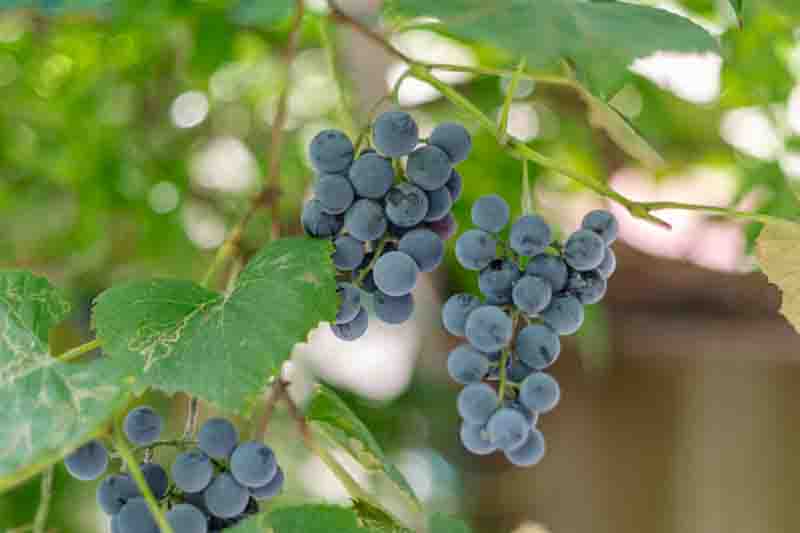


Vitis ‘Petite Pearl’, commonly known as the Petite Pearl Grape, is one of the most exciting cold-hardy red wine grapes for modern northern vineyards. Bred by Minnesota grape breeder Tom Plocher and introduced commercially in 2010, Petite Pearl quickly earned a reputation as a serious cultivar for growers who want both vineyard reliability and strong red wine quality. It has become especially important in the Upper Midwest, Northeast, and other cold-climate wine regions where winter injury, short seasons, and disease pressure can limit less adapted grapes.
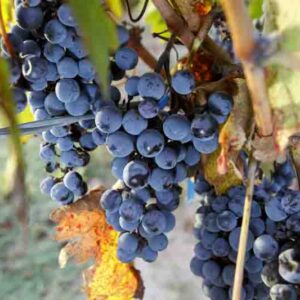
This deciduous hybrid grapevine is prized for its late bud break, dependable winter hardiness, moderate vigor, balanced fruit chemistry, and strong disease resistance. Petite Pearl produces compact to medium clusters of shiny blue-black berries with richly pigmented juice, moderate acidity, and better tannin structure than many cold-hardy red grapes. It is grown primarily for dry red wine, blends, rosé, and other premium cold-climate wine styles, rather than for fresh eating. For growers who want a red wine grape that is easier to manage than many vigorous hybrids, Petite Pearl is a standout.
Vitis ‘Petite Pearl’ is a cold-hardy hybrid grapevine bred for red wine production in northern climates. Plant it in full sun with excellent drainage, train it on a sturdy high-wire trellis, and prune annually to maintain crop balance and healthy cordons. Expect shiny blue-black berries, moderate acidity, soft tannins, and late-September harvests in southern Minnesota.
Use: Primarily cultivated for dry red wine, red blends, and rosé, with growing appeal for premium cold-climate bottlings.
Highlight: Shiny blue-black berries, moderate acidity, soft tannins, and aromatic complexity that make Petite Pearl unusually balanced for a hardy hybrid.
Design note: Petite Pearl vines are attractive on high-wire trellises, backyard vineyard systems, and training fences, especially when managed for sun exposure and airflow.
| Botanical Name | Vitis ‘Petite Pearl’ |
|---|---|
| Family | Vitaceae (Grape family) |
| Common Names | Petite Pearl Grape |
| Plant Type | Deciduous fruiting vine, cold-hardy hybrid grape |
| Hardiness (approx. USDA) | Zones 4-8; best suited to cold-climate vineyards with good siting |
| Minimum Temperature | Hardy to about -32°F (-35.5°C) on good sites, with strong late-winter dormancy retention |
| Height | 10-20 ft. depending on pruning and support |
| Spread | 5-10 ft. depending on training system and vine spacing |
| Sun Exposure | Full sun |
| Soil | Well-drained soil; adaptable to a range of soil types and pH about 6.0-8.0 |
| Harvest Season | Late September in southern Minnesota, about 1-2 weeks after Marquette |
| Fruit | Clusters typically 85-180 g, with shiny blue-black berries, dark color, and balanced red wine chemistry |
Petite Pearl stands out because it solves several problems at once. It is cold hardy, later to break bud, easier to manage than many sprawling hybrids, and capable of producing serious red wine. That combination matters. In northern vineyards, spring frost risk, winter injury, and excessive acidity often shape every planting decision. Petite Pearl addresses all three better than many older cold-climate reds.
It is also a grape with real winemaking credibility. Rather than delivering only survival and color, Petite Pearl brings moderate acidity, soft tannins, structure, aromatic complexity, and more naturally balanced fruit chemistry. For growers and winemakers trying to elevate cold-climate red wine beyond novelty, that is a major advantage.
Why growers notice it: Petite Pearl offers a rare blend of hardiness, manageability, and premium red wine potential.
Petite Pearl was bred in 1996 by Tom Plocher in Minnesota from a cross between MN 1094 and E.S. 4-7-26. Its genetic background includes Vitis vinifera, Vitis riparia, and Vitis labrusca, giving it both cold-climate resilience and stronger red wine character than many growers expect from a hybrid.
The cultivar entered the commercial market around 2010 and has since spread widely across northern wine regions. It is now grown in many U.S. states and Canadian provinces, reflecting how well it fits vineyards where growers need a red grape that can handle winter stress while still producing attractive, cellar-worthy fruit.
Cold-climate red wine production: A top choice for balanced, deeply colored red wines.
Frost-prone sites: Later bud break can reduce spring frost exposure.
Manageable vineyards: Moderate vigor and limited lateral growth simplify canopy work.
Backyard vineyards: Excellent for serious home winemakers with a proper trellis.
Growers seeking premium hybrids: A professional-grade cultivar with strong wine credentials.
Petite Pearl is primarily a wine grape, not a classic table grape. Its value comes from wine chemistry, pigment, tannin structure, and aromatic complexity rather than from the crisp sweetness expected in fresh-eating grapes.
That distinction matters. If you want a grape for snacking, lunch boxes, or dessert platters, Petite Pearl is not the ideal pick. If you want a cultivar for dry red wine, blends, or serious cold-climate rosé, it becomes much more compelling.
Petite Pearl grapes are self-pollinating, so a single vine can set fruit without another variety nearby. That makes it practical both for backyard growers and for vineyard blocks planted entirely to one cultivar.
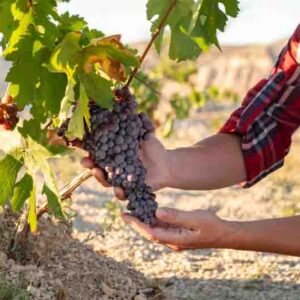
Like most bunch grapes, Petite Pearl fruits on current-season shoots emerging from one-year-old wood. The vine commonly develops 2-3 clusters per shoot, and mature vines can produce solid, commercially useful crops when pruning and canopy balance are handled correctly. It is also noted for being fruitful on secondary buds, which can be helpful after primary bud damage.
How Long Grapevines Take to Produce Fruit
Petite Pearl has one of its biggest advantages right at the start of the season – bud break occurs about 10-12 days later than Marquette. That delayed start can help the vine sidestep late spring frosts, which is a major asset in unpredictable northern climates.
Harvest usually comes in late September in southern Minnesota, generally about 1-2 weeks after Marquette. The result is a cultivar that starts later, avoids some frost risk, and still finishes in time for cold-climate ripening. That calendar fit is one reason Petite Pearl has become such a practical vineyard choice.
Why your Grapevine has Leaves but No Grapes
How to Tell When Grapes Are Ready to Harvest
Grower tip: Do not judge Petite Pearl by color alone. Wait for sugar, acidity, pH, and flavor to align before harvesting.
Petite Pearl is typically harvested at 22-24 °Brix, with a target pH of about 3.35-3.50. Those numbers make it especially attractive to winemakers who want ripe fruit without the extremely sharp acidity that can complicate some cold-hardy reds.
This is where Petite Pearl starts to separate itself. Its chemistry is usually more balanced at harvest, which can reduce the need for aggressive cellar correction and allow the grape’s fruit, spice, and structure to show more clearly in finished wines.
Key harvest targets: 22-24 °Brix with pH 3.35-3.50, aiming for balanced, structured red wine fruit.
Because Petite Pearl tends to combine moderate acidity, soft tannins, deep color, and aromatic complexity in one package. In practical terms, that means it can produce wines with better natural harmony than many growers expect from a cold-hardy hybrid.
Winemakers often describe Petite Pearl as showing blueberry, cherry, plum, cassis, mint, anise, almond, and forest-floor notes, depending on site, ripeness, and fermentation choices. It can perform well as a varietal wine, but it also has real value in blends where color, mid-palate structure, and aromatic lift are needed.
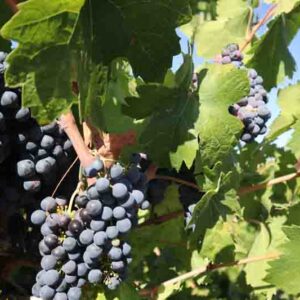
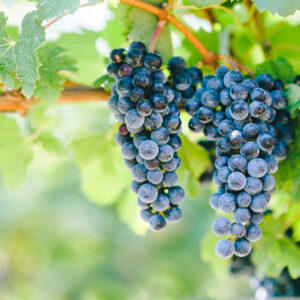
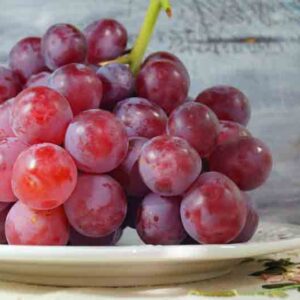
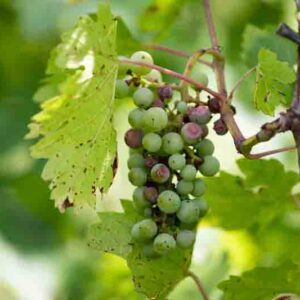
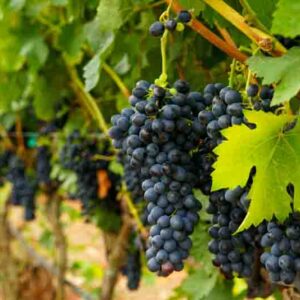
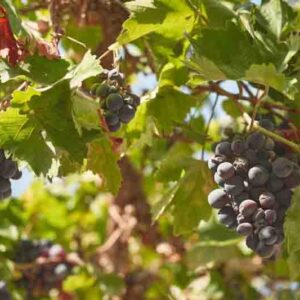
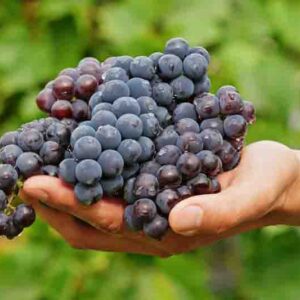
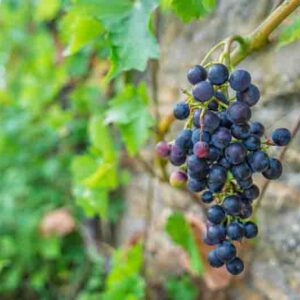
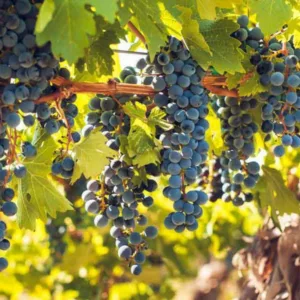
Petite Pearl produces clusters weighing about 85-180 grams, with an average around 100 grams. The berries are shiny, blue-black, and naturally rich in pigment, which supports concentrated color in the winery. The vine name fits the fruit – the berries are small, dark, and visually striking.
In the glass, Petite Pearl usually leans toward dark red and blue fruit flavors with a polished texture. Compared with some other cold-hardy reds, it often shows better tannin presence and more refined structure. That makes it especially attractive for dry red wines and premium regional bottlings.
Flavor profile: Think blueberry, cherry, plum, cassis, mint, spice, dark color, and balanced acidity rather than sharp, aggressively tart fruit.
Petite Pearl is considered a strong cold-climate cultivar and can tolerate temperatures around -32°F on good sites. It also shows good early-winter hardiness and excellent late-winter dormancy retention, which is particularly useful in climates with warm spells followed by sudden freezes.
That said, Petite Pearl is best viewed as a Zone 4 grape rather than a guaranteed choice for every colder site. It performs best in Zone 4b and on protected, well-chosen Zone 4a sites. As always with grapes, good siting matters – sunlight, air drainage, and soil drainage all influence survival and fruit quality.
When to Plant Grapes for Healthier Vines
Cold-climate takeaway: Petite Pearl is hardy enough for many northern vineyards, but site selection still separates average performance from excellent performance.
Petite Pearl has moderate vigor, which is part of its appeal. It is not as unruly as some highly vigorous hybrids, and it tends to show relatively limited lateral growth. That means less hedge work, less crowding, and easier maintenance of an open canopy.
On loam, clay-loam, or irrigated sandy-loam soils, growth can be stronger, so growers still need to watch balance. But compared with more aggressive cultivars, Petite Pearl is widely appreciated for being easier to manage in the vineyard.
Petite Pearl is valued for its strong disease profile. It is considered highly resistant to downy mildew and powdery mildew and generally resistant to Botrytis bunch rot. That disease package is one reason growers like it in humid regions where spray programs and canopy discipline can otherwise become very demanding.
Still, Petite Pearl is not disease-proof. It can show Black rot in more humid climates, and occasional Phomopsis can appear under very wet conditions. A smart, well-timed spray program around the critical pre-bloom and post-bloom window remains an important part of professional vineyard management.
Common Grapevine Problems and How to Fix Them
Watch for: Petite Pearl is disease-resistant, but not carefree. Humid sites still require monitoring, sanitation, and timely protection.
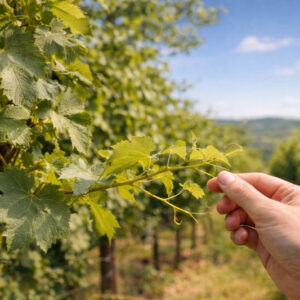
Petite Pearl is usually best trained on Single High Wire (HW). Its naturally drooping shoots fit this system well, and high-wire training reduces the amount of shoot positioning required during the growing season.
This is one of the most practical advantages of the variety. Because the shoots naturally hang downward, the fruit zone often receives good light exposure without excessive manipulation. Backyard growers can also use strong trellises or fence systems, but a structured vineyard training system will nearly always produce better vine balance and fruit quality.
Spur pruning is common for Petite Pearl. A useful guide is to maintain about 5-6 buds per linear foot of cordon, aiming for roughly 25-30 buds per vine depending on vine age and strength. After bud break, shoot thinning helps maintain balanced crop load and good sunlight exposure.
One reason growers appreciate Petite Pearl is that its canopy is often naturally cooperative. Lateral growth is limited, the shoots droop well from high wire, and fruit exposure tends to be good. Even so, some fruit-zone leaf removal may help on more vigorous sites, and careful use of renewal canes remains important for building and replacing cordons.
How to Prune Grapevines for Bigger Harvests: Cane Pruning vs Spur Pruning
Petite Pearl and Marquette are often compared because both are high-profile cold-climate red wine grapes. In broad terms, Petite Pearl breaks bud later, is often easier to manage on high wire, and tends to offer more moderate acidity and softer tannins. Marquette, meanwhile, is earlier and remains highly respected for quality red wine.
For growers, the choice depends on site and wine goals. If spring frost is a concern and you want a red grape with balanced chemistry and manageable growth, Petite Pearl can be a particularly strategic planting.
Because Petite Pearl is a productive wine grape that benefits from permanent training, it is generally not the best choice for long-term container growing. Large pots may work for a short period, but they usually limit root development, moisture stability, and crop consistency.
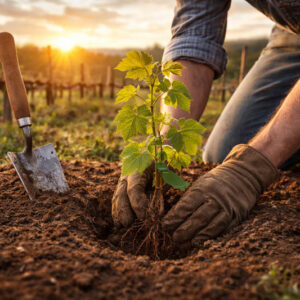
For best performance, Petite Pearl should be planted in open ground with a permanent support system. That gives the vine enough root volume and structural stability to carry crops and maintain healthy perennial wood over time.
How to Grow Grapes in Containers (Expert Pot Guide)
Petite Pearl is ideal for cold-climate vineyard growers, home winemakers, and serious gardeners who want a professional-quality red wine grape. It is especially valuable where growers need winter resilience, reduced spring frost risk, good disease resistance, and a more naturally balanced harvest profile.
It is best for people who understand that this is a wine grape first. If your goal is premium cold-climate red wine with less extreme acidity and less canopy frustration, Petite Pearl deserves a place near the top of the list.
Growers exploring cold-hardy grapes may also consider Reliance Grape, King of the North Grape, Catawba Grape, and how to grow grapes in the home garden.
How cold hardy is Petite Pearl grape?
Petite Pearl is hardy to about -32°F (-35.5°C) on good sites and is especially valued for strong dormancy retention in late winter.
Is Petite Pearl a table grape or a wine grape?
Petite Pearl is primarily a wine grape. It is prized for red wine structure, color, moderate acidity, and aromatic complexity rather than fresh eating.
What is Petite Pearl grape used for?
Petite Pearl is grown mainly for dry red wine, red blends, and rosé. It is one of the most promising premium red hybrids for cold-climate vineyards.
When is Petite Pearl grape harvested?
In southern Minnesota, Petite Pearl is usually harvested in late September, about 1-2 weeks after Marquette.
Why do winemakers like Petite Pearl?
Winemakers value Petite Pearl because it combines deep color, moderate acidity, soft tannins, and aromatic complexity in a cold-hardy package.
What does Petite Pearl wine taste like?
Petite Pearl wine often shows blueberry, cherry, plum, cassis, mint, spice, and subtle earthy notes, with balanced structure and polished texture.
Does Petite Pearl grape require another variety for pollination?
No. Petite Pearl is self-pollinating, so a single vine can produce fruit without another grape variety nearby.
What are the ideal harvest parameters for Petite Pearl?
Petite Pearl is typically harvested at 22-24 °Brix with a target pH of about 3.35-3.50 for balanced red wine production.
Which training system works best for Petite Pearl grape?
Single High Wire (HW) is usually the best system for Petite Pearl because its shoots naturally droop and require less positioning work.
Is Petite Pearl resistant to grape diseases?
Petite Pearl is highly resistant to downy mildew and powdery mildew, but black rot and Phomopsis can still be issues in humid or very wet conditions.
Bottom line: Vitis ‘Petite Pearl’ is one of the most compelling red wine grapes for cold-climate viticulture. With late bud break, strong hardiness, manageable growth, notable disease resistance, and excellent red wine potential, it gives growers a cultivar that is both practical in the vineyard and persuasive in the bottle.
Updated: March 2026 • Reviewed by Gardenia Editors
| Hardiness |
4 - 8 |
|---|---|
| Plant Type | Climbers, Fruits, Shrubs |
| Plant Family | Vitaceae |
| Genus | Vitis |
| Common names | Grape |
| Exposure | Full Sun |
| Season of Interest | Summer (Early, Mid, Late), Fall |
| Height | 10' - 20' (3m - 6.1m) |
| Spread | 5' - 10' (150cm - 3m) |
| Spacing | 60" - 120" (150cm - 3m) |
| Maintenance | High |
| Water Needs | Average |
| Soil Type | Chalk, Loam, Sand |
| Soil pH | Alkaline, Neutral |
| Soil Drainage | Well-Drained |
| Characteristics | Showy, Fruit & Berries |
| Tolerances | Fire |
| Attracts | Bees, Birds |
| Garden Uses | Arbors, Pergolas, Trellises, Walls And Fences |
| Garden Styles | Informal and Cottage |
| Toxic to Humans | No known toxicity |
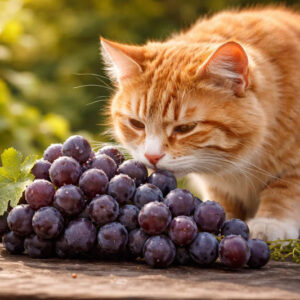
| Toxic to Cats | No known toxicity |
| Toxic to Dogs | Toxic |
| Toxic to Horses | Not toxic |


| Hardiness |
4 - 8 |
|---|---|
| Plant Type | Climbers, Fruits, Shrubs |
| Plant Family | Vitaceae |
| Genus | Vitis |
| Common names | Grape |
| Exposure | Full Sun |
| Season of Interest | Summer (Early, Mid, Late), Fall |
| Height | 10' - 20' (3m - 6.1m) |
| Spread | 5' - 10' (150cm - 3m) |
| Spacing | 60" - 120" (150cm - 3m) |
| Maintenance | High |
| Water Needs | Average |
| Soil Type | Chalk, Loam, Sand |
| Soil pH | Alkaline, Neutral |
| Soil Drainage | Well-Drained |
| Characteristics | Showy, Fruit & Berries |
| Tolerances | Fire |
| Attracts | Bees, Birds |
| Garden Uses | Arbors, Pergolas, Trellises, Walls And Fences |
| Garden Styles | Informal and Cottage |
| Toxic to Humans | No known toxicity |
| Toxic to Cats | No known toxicity |
| Toxic to Dogs | Toxic |
| Toxic to Horses | Not toxic |
How many Vitis ‘Petite Pearl’ (Grape) do I need for my garden?
| Plant | Quantity | |
|---|---|---|
| Vitis ‘Petite Pearl’ (Grape) | N/A | Buy Plants |
Create a membership account to save your garden designs and to view them on any device.
Becoming a contributing member of Gardenia is easy and can be done in just a few minutes. If you provide us with your name, email address and the payment of a modest $25 annual membership fee, you will become a full member, enabling you to design and save up to 25 of your garden design ideas.
Join now and start creating your dream garden!
Create a membership account to save your garden designs and to view them on any device.
Becoming a contributing member of Gardenia is easy and can be done in just a few minutes. If you provide us with your name, email address and the payment of a modest $25 annual membership fee, you will become a full member, enabling you to design and save up to 25 of your garden design ideas.
Join now and start creating your dream garden!