Sainte Croix, St. Croix grape, Red grape ‘St. Croix’, Wine grape ‘St. Croix’, Elmer Swenson 242, E.S. 2-3-21, ES 242


Vitis ‘St. Croix’, commonly known as the St. Croix Grape, is one of the foundational cold-hardy hybrid grapes for northern vineyards and home growers. Bred by legendary grape breeder Elmer Swenson and released in the early 1980s, St. Croix earned a loyal following because it delivers something growers in challenging climates prize above almost everything else: dependable performance. It combines strong winter hardiness, good productivity, early ripening, and flexible use for both wine and fresh eating, which is a rare and valuable combination in cold-climate viticulture.
This deciduous hybrid grapevine is especially important in regions where severe winters, shorter growing seasons, and inconsistent ripening can make grape production feel like a gamble. St. Croix helps reduce that risk. It is usually grown as a red wine grape, but unlike many wine-focused cultivars, it can also be pleasant for the table thanks to its sweet fruit and earlier ripening window. For growers in Zones 3 and 4, that versatility is part of its staying power.
Vitis ‘St. Croix’ is a cold-hardy hybrid grapevine grown for red wine, blending, juice, and sometimes fresh eating. Plant it in full sun with excellent drainage, train it on a sturdy trellis or top-wire system, and prune every year to control its vigorous semi-trailing growth. Expect medium clusters of blue-black to bluish-red grapes that usually ripen from late August to early September, much earlier than many other northern wine grapes.
Use: Primarily cultivated for red wine, blends, juice, and occasional fresh eating.
Highlight: An early-ripening, cold-hardy hybrid grape with sweet fruit, reliable production, and broad adaptability.
Design note: St. Croix vines are vigorous and attractive on trellises, arbors, fences, and backyard vineyard structures, but they perform best with serious annual pruning and training.
| Botanical Name | Vitis ‘St. Croix’ |
|---|---|
| Family | Vitaceae (Grape family) |
| Common Names | St. Croix Grape, Sainte-Croix Grape |
| Plant Type | Deciduous fruiting vine, cold-hardy hybrid grape |
| Hardiness (approx. USDA) | Zones 4-8; often grown successfully in protected Zone 3 sites |
| Minimum Temperature | Very hardy; commonly reported to tolerate temperatures below -20°F, with some grower reports describing survival below -30°F under favorable conditions |
| Height | 10-15 ft. or more depending on pruning and support |
| Spread | 3-10 ft. depending on training system and spacing |
| Sun Exposure | Full sun |
| Soil | Well-drained soil; avoid chronically wet or poorly drained sites |
| Harvest Season | Late August to early September; early season for a cold-hardy red grape |
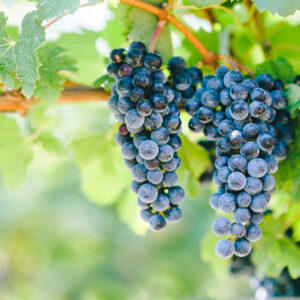
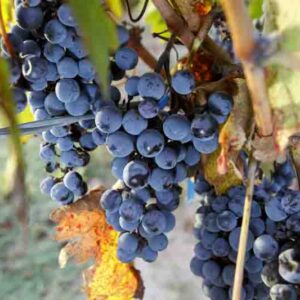
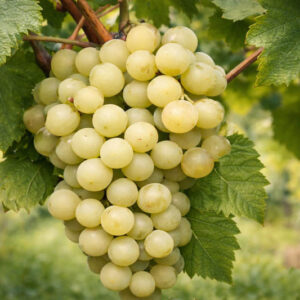
| Fruit | Medium-sized clusters with blue-black to bluish-red berries and sweet red juice |
St. Croix is a cold-hardy hybrid grape developed by Elmer Swenson for northern vineyards and home gardens. It is valued for its early ripening, winter hardiness, good productivity, and flexible use in red wine, blends, juice, and sometimes fresh eating. For many growers in cold climates, it remains one of the most practical grapes ever introduced because it offers both survivability and a realistic path to ripening fruit. How to Make Grape Juice at Home
Botanically, St. Croix is a deciduous bunch grapevine in the Vitaceae family. It produces medium clusters of dark berries on a vigorous vine with a semi-trailing habit, making it particularly well suited to sturdy trellises and high-wire training systems. Its reputation comes not from novelty, but from long-term usefulness.
St. Croix stands out because it solves several real vineyard problems at once. It is cold-hardy, early-ripening, productive, and versatile. That combination matters. In northern regions, growers are not simply looking for grapes that survive winter. They need vines that can also ripen on time, crop consistently, and produce usable fruit before fall weather turns risky. St. Croix answers that brief with impressive practicality.
It also occupies a useful middle ground in the market. St. Croix is generally recognized as a wine grape, but it is still pleasant enough for fresh eating in many home gardens. That means one vine can satisfy the home winemaker, the hobby grower, and the gardener who simply wants a reliable, sweet, dark grape on the arbor. That kind of flexibility is exactly why St. Croix has remained relevant for decades.
Best Grapes for Fresh Eating – Top Varieties Ranked
Why growers keep planting it: St. Croix ripens early, handles cold well, and can serve both the winery and the backyard table.
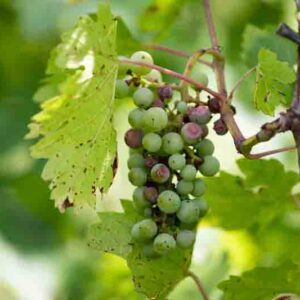
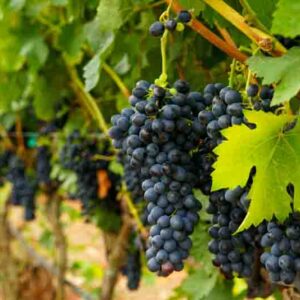
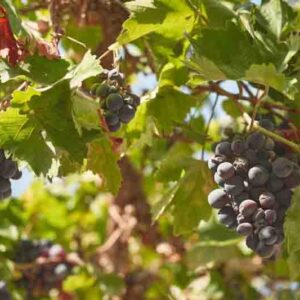
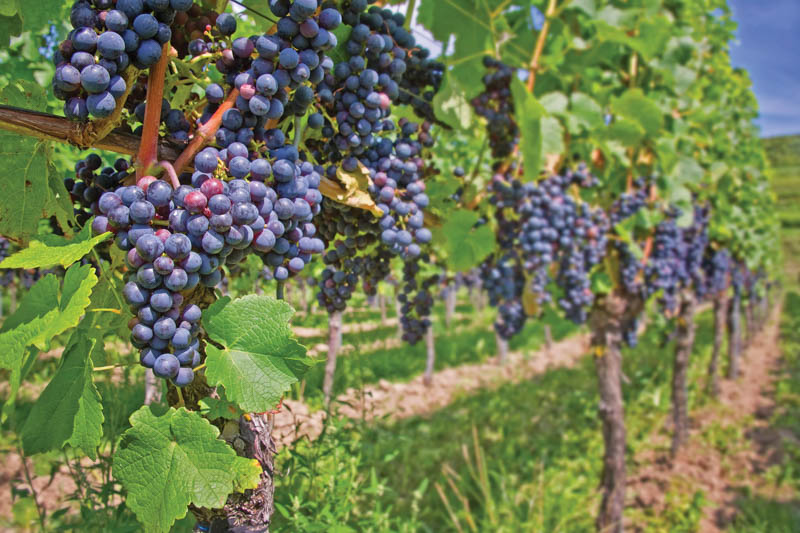
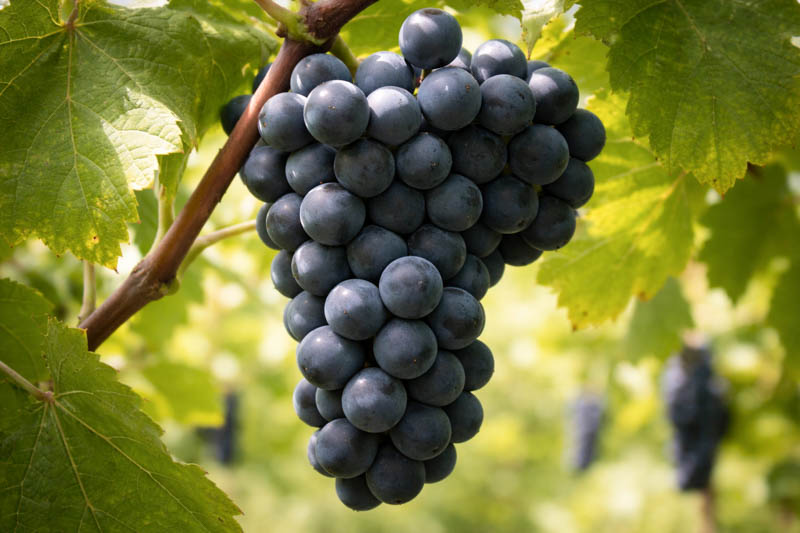
St. Croix produces medium-sized clusters of small to medium berries with a dark blue-black to bluish-red appearance and a noticeable bloom when ripe. The berries contain seeds, as expected of a wine grape, and the juice is often described as sweet and red. While it is not a classic seedless table grape, it is more enjoyable for fresh eating than many strictly wine-focused cultivars.
The vine itself is vigorous and typically shows a semi-trailing growth habit. That growth pattern shapes almost every management decision, from trellis choice to pruning strategy. In the garden it can look lush and ornamental, but in production settings it needs disciplined structure to stay fruitful and healthy.
St. Croix was developed by Elmer Swenson, the influential Midwestern breeder whose work transformed cold-climate grape growing. The variety is commonly listed as a cross of ES 283 x ES 193 and was released in 1983, although some sources cite 1982. Either way, it belongs to the first important wave of modern cold-hardy hybrid grapes that opened new possibilities for growers across the Upper Midwest and similar climates.
That history matters because St. Croix was never just another experimental vine. It was part of a larger breeding vision: create grapes with enough cold tolerance to survive northern winters, yet enough fruit quality to support real wine production. In that mission, St. Croix became one of the proven workhorses.
Cold-climate vineyards: A dependable early red grape for northern sites.
USDA Zone 4 growers: Especially useful where winter survival is a top priority.
Home winemakers: Easy to ripen and versatile in the cellar.
Backyard gardeners: Good for wine and also pleasant for fresh eating.
Growers who want reliability: St. Croix is practical, productive, and time-tested.
St. Croix is primarily a wine grape, but it sits closer to the table-grape side than many red wine cultivars. University of Minnesota Extension notes that it is generally known as a wine grape but good for fresh eating. That simple description captures the variety well. It is not a classic supermarket table grape, but it is more approachable out of hand than many strictly wine-focused hybrids.
For that reason, St. Croix is a smart choice for gardeners who want a grape with multiple uses. It can go into red blends, homemade wine, juice, and jelly, while still being satisfying enough to pick and eat straight from the vine. That dual-purpose character is one of its strongest selling points.
St. Croix grapes are self-pollinating, so one vine can set fruit without a second cultivar nearby, making it practical for both small gardens and single-variety vineyard blocks. Like other bunch grapes, it fruits on current-season shoots that emerge from one-year-old wood, so annual dormant pruning is essential if you want consistent crops and manageable vines. While exact yield varies by site and training system, St. Croix is widely described as highly productive.
How Long Grapevines Take to Produce Fruit
One of the biggest advantages of St. Croix is its early harvest season. In University of Minnesota guidance, it typically ripens from late August to early September, and other grower references also place it in the early season. For northern growers, that timing is a strategic edge. An early-ripening red grape reduces the risk of weather damage, helps avoid late-season disease pressure, and makes it easier to bring fruit to maturity in cooler years.
Why your Grapevine has Leaves but No Grapes
Harvest tip: St. Croix is prized because it reaches ripeness earlier than many northern red grapes. That makes it especially valuable in short-season vineyards and cooler backyard sites.
In practical vineyard terms, St. Croix is valued not just because it ripens early, but because it can reach usable maturity in climates where many red grapes struggle. Depending on site, season, crop level, and harvest target, growers often look for fruit in a range around 18-22° Brix, with moderate acidity and pH suitable for the intended wine style. In cooler regions, chemistry may remain sharper; in warmer or lighter-cropped sites, sugars may rise more easily.
These values can vary considerably from year to year, which is why growers should avoid treating any single number as a fixed rule. St. Croix performs best when harvest decisions are made from a combination of vineyard measurements and sensory evaluation.
Published maturity reports for St. Croix in the Midwest show a grape that can build sugar while retaining moderate to high acidity, depending on site and season. Recent Iowa maturity reports tracked St. Croix around the mid-teens Brix early in August before harvest moved in later, and commercial notes mention that it is sometimes harvested early for rosé production. In practical terms, growers should monitor Brix, pH, titratable acidity, seed maturity, and flavor rather than relying on calendar dates alone.
Key harvest mindset: pick by chemistry and taste, not just berry color. St. Croix usually ripens early, but the best harvest date still depends on your wine style and site conditions.
St. Croix is often described as producing a light- to medium-bodied red wine. Some growers compare the style loosely to a lighter Burgundy profile, especially when the fruit is balanced and cropping is controlled. It can work as a varietal wine, but it is also useful in blends, where it contributes color, fruit, and early-ripening reliability.
That said, St. Croix is not usually marketed as a powerhouse red. Its sugar and tannin levels can be relatively modest at maturity compared with more intense red cultivars, which means its best wines tend to be fresh, fruit-forward, and approachable rather than massive or heavily structured. For many wineries and home cellars, that is a feature, not a flaw. It can make an easy-drinking red that fits local fruit and local conditions beautifully.
Flavor profile: expect fruit-forward, lighter red wine character rather than dense, tannic, long-cellaring structure.
Cold hardiness is one of the defining reasons St. Croix remains popular. University of Minnesota notes it grows very well in Zone 4 and can also work in Zone 3. Other grower references describe it as very hardy, with reports of survival after severe cold events under favorable conditions. That level of winter resilience makes it an excellent candidate for northern vineyards, protected backyard plantings, and cold pockets where less hardy grapes struggle.
Best Grapes for Zone 4 – Cold Hardy Varieties that Work
Many Midwest vineyards still value St. Croix for exactly this reason: it offers not only winter survival, but also a realistic chance of bringing fruit to ripeness before autumn turns difficult. In cold-climate grape growing, that pairing is unusually important.
When to Plant Grapes for Healthier Vines
Cold-climate takeaway: St. Croix is one of the practical early red grapes that gives northern growers both winter survival and realistic ripening potential.
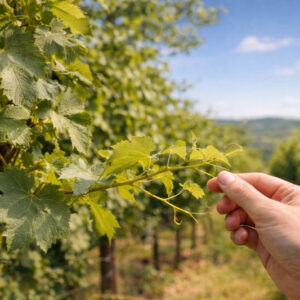
St. Croix is generally described as vigorous with a semi-trailing growth habit. That matters because vigorous hybrids can quickly become overgrown if they are under-pruned or planted in rich soil. Good trellis design is not optional here. Strong support and a clear training plan are part of basic success.
This is also one reason the vine can be attractive in ornamental settings. It covers structures readily and can create a handsome canopy over an arbor or fence. But what looks lush in midsummer can easily become overcrowded without annual control, especially where soils are fertile.
St. Croix is often described broadly as disease-resistant, especially in older cultivar summaries, but more detailed commercial references rate it as moderately susceptible to black rot, botrytis bunch rot, downy mildew, and powdery mildew. That is an important distinction. In the real world, it is not a fragile vine, but it is not carefree either. Growers still need good airflow, canopy management, sanitation, and a sensible spray program where disease pressure is high.
Herbicide drift can also be a serious concern, particularly in agricultural areas. Like other grapes, St. Croix can be quite sensitive to off-target injury. Site awareness matters.
Common Grapevine Problems and How to Fix Them
Watch for: vigorous canopy growth, common fungal diseases, and drifting herbicides. St. Croix is resilient, but not maintenance-free.
Because St. Croix has a semi-trailing habit, it is well-suited to Top Wire Cordon and other high-wire systems. These systems let the shoots drape naturally, reduce summer labor compared with tightly managed VSP systems, and usually fit the vine’s growth pattern better. This is one of those practical details that makes a big difference: match the trellis to the vine, and the vine becomes easier to manage.
Typical vine spacing is often around 6 to 8 feet, depending on site vigor and training style. Backyard gardeners can also use sturdy trellises, fences, or arbors, but permanent vineyard-style support usually produces the best long-term results.
Like all productive grapes, St. Croix needs annual dormant pruning to maintain crop balance and fruit quality. Because it is vigorous, pruning is not just about keeping the vine tidy. It is about managing light, airflow, and ripening. A vine with too many shoots and too much shade will often produce lower-quality fruit and higher disease pressure. Shoot thinning, occasional hedging, and fruit-zone exposure can all help, especially on fertile sites. General grape guidance from University of Minnesota Extension remains highly relevant here: grapes crop on one-year-old wood, and disciplined pruning is central to productivity.
How to Prune Grapevines for Bigger Harvests: Cane Pruning vs Spur Pruning
St. Croix and Frontenac are both important northern grapes, but they serve different priorities. St. Croix ripens earlier and is more flexible for fresh eating, while Frontenac is typically more important for serious, deeply colored red wine production and is well known for high acidity and stronger wine intensity. If you want an earlier, lighter, more approachable red grape with dual-purpose value, St. Croix is compelling. If your focus is benchmark cold-climate red wine, Frontenac often takes the lead.
Because St. Croix is a vigorous, productive grapevine, it is generally not ideal for long-term container growing. Large containers can support a young vine temporarily, but mature grapes perform far better in open ground, where roots can spread, moisture is more stable, and permanent trellising is possible. Serious crops and serious container culture rarely make the best long-term match.
How to Grow Grapes in Containers (Expert Pot Guide)
St. Croix is ideal for cold-climate growers, backyard vineyard enthusiasts, and home winemakers who want an early, reliable red hybrid grape. It is especially valuable for people who need winter hardiness but do not want to wait deep into autumn for harvest. It also makes sense for gardeners who want one vine that can do more than one job. Wine, juice, fresh eating, and ornamental value all fit comfortably within St. Croix’s skill set.
Growers exploring cold-hardy grapes may also consider Reliance Grape, King of the North Grape, Catawba Grape, and how to grow grapes in the home garden.
St. Croix is very cold hardy. It grows very well in USDA Zone 4 and can also succeed in protected Zone 3 sites. Grower reports also describe strong survival during severe winter cold under favorable conditions.
St. Croix is primarily a wine grape, but it is also considered good for fresh eating, which makes it more versatile than many wine-focused cultivars.
It is used mainly for red wine, blending, juice, and sometimes fresh eating.
St. Croix usually ripens from late August to early September, making it an early-season grape in cold climates.
St. Croix usually makes a fruit-forward, light- to medium-bodied red wine that is approachable and often useful in blends.
No. Like most bunch grapes, St. Croix is self-pollinating and can set fruit on its own.
Top Wire Cordon and related high-wire systems are usually a strong fit because St. Croix has a vigorous, semi-trailing growth habit.
It is relatively resilient, but not immune. Growers should still watch for black rot, downy mildew, powdery mildew, and botrytis.
Bottom line: Vitis ‘St. Croix’ is one of the most practical cold-hardy grapes ever developed for northern growers. It ripens early, handles winter well, crops reliably, and bridges the gap between wine grape and backyard fruit vine. For growers who value dependability as much as romance, St. Croix remains a smart, proven choice.
Updated: March 2026 • Reviewed by Gardenia Editors
| Hardiness |
4 - 8 |
|---|---|
| Plant Type | Climbers, Fruits, Shrubs |
| Plant Family | Vitaceae |
| Genus | Vitis |
| Common names | Grape |
| Exposure | Full Sun |
| Season of Interest | Summer (Early, Mid, Late), Fall |
| Height | 10' - 20' (3m - 6.1m) |
| Spread | 3' - 10' (90cm - 3m) |
| Spacing | 36" - 120" (90cm - 3m) |
| Maintenance | High |
| Water Needs | Average |
| Soil Type | Chalk, Loam, Sand |
| Soil pH | Alkaline, Neutral |
| Soil Drainage | Well-Drained |
| Characteristics | Showy, Fruit & Berries |
| Tolerances | Fire |
| Attracts | Bees, Birds |
| Garden Uses | Arbors, Pergolas, Trellises, Walls And Fences |
| Garden Styles | Informal and Cottage |
| Toxic to Humans | No known toxicity |
| Toxic to Cats | No known toxicity |
| Toxic to Dogs | Toxic |
| Toxic to Horses | Not toxic |


| Hardiness |
4 - 8 |
|---|---|
| Plant Type | Climbers, Fruits, Shrubs |
| Plant Family | Vitaceae |
| Genus | Vitis |
| Common names | Grape |
| Exposure | Full Sun |
| Season of Interest | Summer (Early, Mid, Late), Fall |
| Height | 10' - 20' (3m - 6.1m) |
| Spread | 3' - 10' (90cm - 3m) |
| Spacing | 36" - 120" (90cm - 3m) |
| Maintenance | High |
| Water Needs | Average |
| Soil Type | Chalk, Loam, Sand |
| Soil pH | Alkaline, Neutral |
| Soil Drainage | Well-Drained |
| Characteristics | Showy, Fruit & Berries |
| Tolerances | Fire |
| Attracts | Bees, Birds |
| Garden Uses | Arbors, Pergolas, Trellises, Walls And Fences |
| Garden Styles | Informal and Cottage |
| Toxic to Humans | No known toxicity |
| Toxic to Cats | No known toxicity |
| Toxic to Dogs | Toxic |
| Toxic to Horses | Not toxic |
How many Vitis ‘St. Croix’ (Grape) do I need for my garden?
| Plant | Quantity | |
|---|---|---|
| Vitis ‘St. Croix’ (Grape) | N/A | Buy Plants |
Create a membership account to save your garden designs and to view them on any device.
Becoming a contributing member of Gardenia is easy and can be done in just a few minutes. If you provide us with your name, email address and the payment of a modest $25 annual membership fee, you will become a full member, enabling you to design and save up to 25 of your garden design ideas.
Join now and start creating your dream garden!
Create a membership account to save your garden designs and to view them on any device.
Becoming a contributing member of Gardenia is easy and can be done in just a few minutes. If you provide us with your name, email address and the payment of a modest $25 annual membership fee, you will become a full member, enabling you to design and save up to 25 of your garden design ideas.
Join now and start creating your dream garden!