Bluebell Grape, Bluebell Table Grape, Bluebell Hybrid Grape, Blue Slip-skin Grape, Minnesota 158, Mn 158
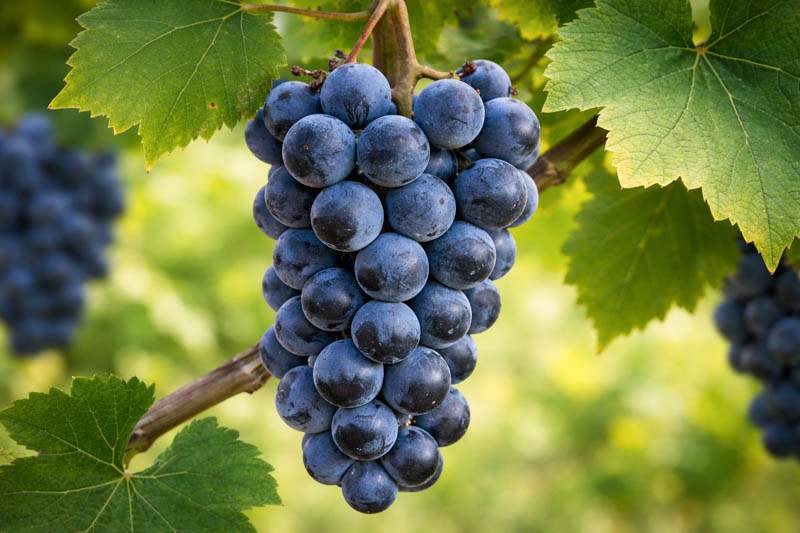


Vitis ‘Bluebell’, widely known as the Bluebell Grape, is one of the most dependable grapes for cold climates. Released by the University of Minnesota in 1944, Bluebell is a blue-seeded hybrid bunch grape grown mainly for fresh eating, juice, and jelly. Its value is not novelty or supermarket-style appearance. Its value is that it can survive severe winters, ripen in relatively short northern seasons, and still produce useful, flavorful fruit for home gardeners.
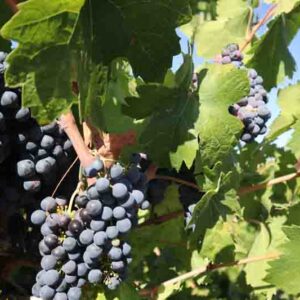
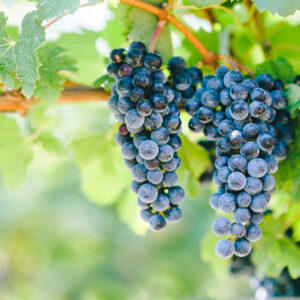
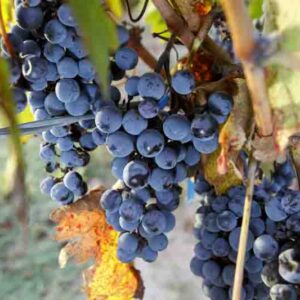
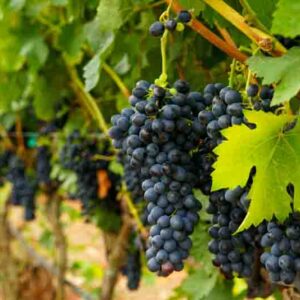
Bluebell has remained relevant for decades because it solves a real horticultural problem. Many grapes taste good in favorable climates, but far fewer can tolerate serious winter cold and still crop reliably. Bluebell is widely recognized as a cultivar for northern growers who need winter hardiness, practical disease tolerance, vigorous growth, and fruit with traditional American grape character. The berries are dark blue, seeded, and slip-skin, with a flavor often described as mildly Concord-like.
This is not a modern seedless table grape bred for shipping, storage, or uniform cosmetic perfection. Bluebell is better understood as a hardiness-first home garden grape that earns its place through consistency. For gardeners in the Upper Midwest, northern Plains, colder inland Northeast, and similar regions, that makes Bluebell one of the most useful grape cultivars still in circulation.
Vitis ‘Bluebell’ is a vigorous, self-fruitful cold-hardy grape vine grown for fresh eating, juice, and jelly, with blue seeded slip-skin fruit, mild Concord-like flavor, and excellent winter survival. Plant it in full sun, give it strong support and annual dormant pruning, and expect a dependable home-garden grape that performs especially well in cold regions with good airflow and proper canopy management.
Use: Excellent for juice, jelly, fresh eating, backyard vineyards, trellises, fences, arbors, pergolas, and edible landscape structures. Highlight: A blue seeded cold-hardy grape with mild Concord-like flavor, strong winter survival, and dependable performance in northern gardens. Design note: Because Bluebell is vigorous and productive, it works especially well on strong trellises, arbors, pergolas, and fence systems where fruiting and summer coverage are both valued.
| Botanical Name | Vitis ‘Bluebell’ |
|---|---|
| Family | Vitaceae (Grape family) |
| Common Names | Bluebell Grape |
| Plant Type | Deciduous fruiting vine, woody climber |
| Origin | University of Minnesota, 1944 |
| Hardiness (approx. USDA) | Zones 3-7; especially reliable in cold northern grape-growing regions |
| Cold Tolerance | About -30°F (-34°C) |
| Height | 12-20 ft. or more, depending on support and pruning |
| Spread | 8-12 ft. or more depending on training system |
| Sun Exposure | Full sun |
| Soil | Well-drained soil; best with good airflow and no standing water |
| Pollination | Self-fruitful in normal garden conditions |
| Harvest Season | September, often mid- to late September depending on region and season |
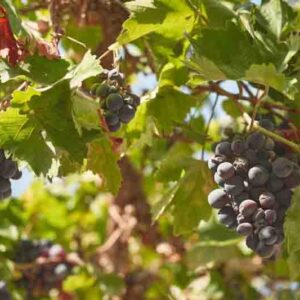
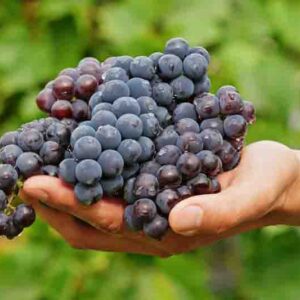
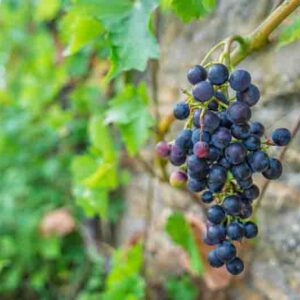
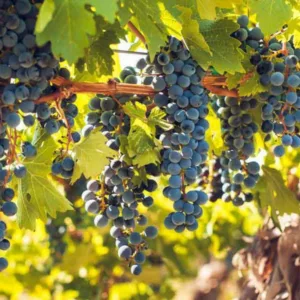
| Fruit | Dark blue, seeded, slip-skin berries with juicy flesh and mild Concord-like flavor |
| Cluster Size | Medium-sized, somewhat compact clusters with a pronounced shoulder |
| Yield | About 12 lb. per vine under standard spacing and training conditions |
Bluebell stands out because it offers something many grapes do not: credible performance under difficult northern conditions. Plenty of grapes can produce good fruit where winters are mild and seasons are long. Bluebell matters because it was bred for climates where winter injury and incomplete ripening can easily limit grape growing.
That is why Bluebell still has a place in modern gardens. It combines strong winter hardiness, dependable ripening, practical productivity, and familiar American grape flavor in one vine. It is not a showy specialty grape. It is a cultivar that solves problems for gardeners who want fruit they can actually count on.
Why gardeners still value it: Bluebell gives you a hardy, old-fashioned American grape with real utility – good for juice, jelly, and home harvests in climates that challenge less resilient varieties.
Bluebell was released in 1944 by the University of Minnesota and has long been described as a cold-hardy blue-seeded hybrid grape developed for northern growers. Its importance is not just historical. The cultivar still represents a practical model of what cold-climate grapes are supposed to do: survive winter, ripen reasonably well, and produce fruit with real home-use value.
University of Minnesota descriptions associate Bluebell with mild Concord-like flavor, early-to-midseason usefulness in northern regions, and suitability for fresh eating, juice, and jelly. That combination explains why Bluebell remains more than a breeding relic. It is still a credible choice for home gardeners who need a grape with hardiness built into its identity.
Best Grapes for Fresh Eating – Top Varieties Ranked
Fresh eating: Good if you enjoy traditional seeded American grapes with a mild Concord-like flavor. Juice: Excellent. Jelly and jam: Excellent. Wine: Possible on a home scale, though Bluebell is grown mainly as a table, juice, and jelly grape. Ornamental shade: Very good on pergolas, trellises, and fences. Cold climates: Excellent. Hot humid climates: Possible, but good pruning, sun, airflow, and disease management matter more there.
Bluebell is generally treated as self-fruitful, so a second cultivar is not usually required for a home vine to set fruit. That makes it a practical choice for gardeners with room for only one grapevine.
Like other bunch grapes, Bluebell fruits on current-season shoots that arise from one-year-old wood. That detail matters because grape pruning is not optional. A neglected vine may still look vigorous, but fruit quality, airflow, and manageability decline quickly when the framework is not renewed each year.
How Long Grapevines Take to Produce Fruit
Bluebell is often described as an early or early-midseason grape for northern breeding work, but gardeners should interpret that in practical terms. In many cold-climate gardens, harvest usually falls in September, often from mid-September into late September depending on heat accumulation, site, and weather.
The key point is not that Bluebell is the first grape to ripen everywhere. The key point is that it generally ripens reliably enough to be useful in shorter-season regions, which is exactly why it has remained important in northern home fruit growing.
Why your Grapevine has Leaves but No Grapes
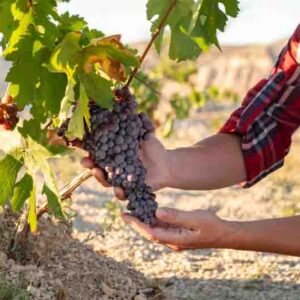
Do not harvest based on color alone. Bluebell berries can look attractive before the flavor is fully developed. The best harvest test is a combination of full dark blue color, sweetness, softer acidity, and a more convincing Concord-like aroma.
Because Bluebell is a seeded slip-skin grape, texture also matters. Let the fruit hang until the berries taste complete rather than merely colored, but do not delay too long in wet weather because splitting can become a problem as fruit reaches peak ripeness.
Harvest tip: Bluebell grapes should be picked by taste, not just color. Grapes do not ripen after harvest, and wet fall weather can increase splitting if ripe fruit hangs too long.
Bluebell is best described as a mild Concord-type grape with traditional American grape character. The berries are juicy, aromatic, and recognizably “grapey,” but usually less intense than Concord itself. That makes Bluebell a useful middle ground for gardeners who want familiar flavor without assuming the vine is simply a clone of Concord in different clothing.
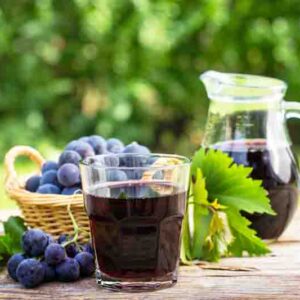
This is also why Bluebell is especially convincing for juice and jelly. The seeded, slip-skin fruit has the kind of flavor profile many home growers actively want for processing. Fresh eating is entirely reasonable, especially for gardeners who enjoy old-fashioned American grapes, but Bluebell’s strongest identity is still as a practical dual-purpose home cultivar.
How to Make Grape Juice at Home
Flavor note: Bluebell is not grown for seedless convenience. It is grown for hardiness, traditional Concord-like flavor, and dependable processing quality.
This is the defining trait of Bluebell. It is commonly described as tolerating temperatures around -30°F, which helps explain its long reputation in northern gardens. Bluebell is one of those grapes that still matters because its hardiness is not a side note. It is the central reason many growers choose it.
That hardiness makes Bluebell particularly relevant in regions where growers need a grape that can survive normal winter exposure rather than one that performs only in protected or unusually favorable sites. In those conditions, Bluebell is less about luxury and more about dependable horticultural fit.
When to Plant Grapes for Healthier Vines
Bluebell is often described as disease resistant, but that should be read as useful resistance rather than immunity. In practical garden terms, Bluebell can be more forgiving than some grapes, yet it still benefits greatly from sun, pruning, airflow, and sensible canopy management.
Reports commonly note useful resistance to powdery mildew, downy mildew, and botrytis bunch rot, while also noting that Bluebell can be vulnerable to anthracnose and black rot in wet seasons or poorly managed plantings. Birds are often the most immediate practical pest problem near harvest, and berry splitting in wet fall conditions is another issue worth watching.
That mix of strengths and weak points is actually helpful. It makes the cultivar description more honest. Bluebell is resilient, but it is not a no-maintenance grape and should not be marketed that way.
Common Grapevine Problems and How to Fix Them
Watch for: Bluebell is hardy, but it is not invulnerable. Dense foliage, neglected pruning, and wet late-season conditions can reduce quality and increase problems such as splitting, black rot, and disease pressure.
Bluebell deserves more than generic catalog language because some of its traits are specific enough to help gardeners judge it realistically. It is commonly described as producing medium-sized, somewhat compact clusters with a pronounced shoulder, medium-sized dark blue slip-skin berries, and yields of about 12 pounds per vine under standard spacing and training conditions.
Those details matter because they place Bluebell correctly. This is not a giant-cluster, commercial-style table grape and it should not be presented as one. It is a practical northern home-garden cultivar bred to combine reliable cropping, traditional flavor, and real winter resilience.
Why this matters: Bluebell is valuable not only because it is hardy, but because its fruiting habit, harvest timing, and yield profile are specific enough to compare honestly with other cold-climate grapes.
Bluebell is a vigorous vine with a downward or procumbent growth habit, so training choice matters. Systems that accommodate that habit, such as high wire cordon (HWC) and Geneva double curtain (GDC), are often especially suitable. Because the cultivar can be quite vigorous, split-canopy systems may help keep growth better organized in some plantings.
Home gardeners do not need to turn Bluebell into a technical viticulture project, but they do need to give it a framework that can support strong growth and keep the canopy open. In other words, Bluebell performs best when its vigor is guided, not ignored.
Discover the best trellis systems for backyard grapes
Prune Bluebell during dormancy, usually in late winter or very early spring before growth begins. Grapevines must be pruned every year, and most new growth is removed annually because fruit is borne on new shoots rather than old branches.
Bluebell also benefits from shoot thinning and selective leaf removal where the canopy becomes too dense. This is not cosmetic. It improves airflow, light penetration, fruit ripening, and disease control, especially in humid or rainy seasons.
How to Prune Grapevines for Bigger Harvests
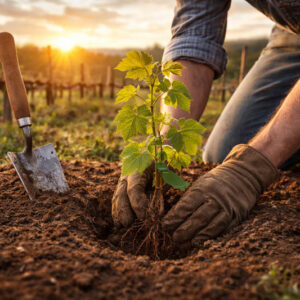
Bluebell is generally better in the ground than in containers. Like most vigorous grape cultivars, it performs best where the roots can establish a permanent framework and the vine can be trained on a durable support.
A very large container can work for a time, especially for an ornamental patio vine, but long-term fruiting will usually be better in open soil. For serious production in cold climates, ground planting remains the more practical choice.
How to Grow Grapes in Containers
Bluebell is an excellent choice for gardeners who want a seeded, cold-hardy grape with real utility, especially if they care more about winter survival, reliable harvests, and traditional American grape flavor than about seedless convenience. It is especially well suited to home growers in colder regions where winter injury rules out many less hardy grapes.
It is less ideal for gardeners who want a firm, seedless, modern table grape with supermarket-style texture. Bluebell is better understood as a hardiness-first, home-use cultivar with strong juice-and-jelly value and acceptable fresh-eating quality for people who enjoy classic American grape flavor.
Bluebell is exceptionally cold hardy and can withstand temperatures around -30°F. That level of winter survival is one of the main reasons it remains valuable in northern home gardens.
Bluebell has a mild Concord-like flavor. The juicy slip-skin berries have traditional American grape character and are especially useful for juice and jelly.
Bluebell can be eaten fresh, but it is especially valued for juice and jelly. The fruit is seeded, juicy, and slip-skin, which makes it particularly useful for home processing.
Bluebell typically ripens in September in northern climates, often from mid-September into late September depending on season, region, and site conditions.
Bluebell has useful disease resistance, but it is not disease-proof. It is often described as having good resistance to powdery mildew, downy mildew, and bunch rot, while still being vulnerable to anthracnose and black rot in wet or poorly managed conditions.
Because Bluebell is vigorous and has a downward growth habit, training systems such as high wire cordon and Geneva double curtain are often especially suitable. The best choice depends on vigor, site, and management goals.
Bluebell is commonly described as yielding about 12 pounds of fruit per vine under standard spacing and training conditions. Actual production varies with pruning, vine age, climate, and site management.
No. Bluebell is a seeded grape. It is grown for hardiness, dependable cropping, and traditional American grape flavor rather than seedless convenience.
For readers comparing cold-hardy and home-garden grapes, useful next-step pages would include a guide to how to grow grapes in the home garden, plus related cultivar pages such as Niagara Grape and Concord Grape for gardeners comparing flavor, hardiness, and home-use value.
Bottom line: Vitis ‘Bluebell’ remains one of the most dependable grapes for cold-climate gardeners because it combines real winter hardiness, useful disease resistance, traditional Concord-like flavor, and practical fruit quality for juice, jelly, and home harvests. It is not a trendy grape and it is not a modern seedless table grape. It is something more useful for many northern growers: a cultivar that survives, crops, and earns its place year after year.
Updated: April 2026 • Reviewed by Gardenia Editors
| Hardiness |
3 - 7 |
|---|---|
| Plant Type | Climbers, Fruits, Shrubs |
| Plant Family | Vitaceae |
| Genus | Vitis |
| Common names | Grape |
| Exposure | Full Sun |
| Season of Interest | Summer (Early, Mid, Late), Fall |
| Height | 12' - 20' (3.7m - 6.1m) |
| Spread | 8' - 12' (240cm - 3.7m) |
| Spacing | 144" (3.7m) |
| Maintenance | High |
| Water Needs | Average |
| Soil Type | Chalk, Loam, Sand |
| Soil pH | Alkaline, Neutral |
| Soil Drainage | Well-Drained |
| Characteristics | Showy, Fruit & Berries |
| Tolerances | Fire |
| Attracts | Bees, Birds |
| Garden Uses | Arbors, Pergolas, Trellises, Walls And Fences |
| Garden Styles | Informal and Cottage |
| Toxic to Humans | No known toxicity |
| Toxic to Cats | No known toxicity |
| Toxic to Dogs | Toxic |
| Toxic to Horses | No known toxicity |


| Hardiness |
3 - 7 |
|---|---|
| Plant Type | Climbers, Fruits, Shrubs |
| Plant Family | Vitaceae |
| Genus | Vitis |
| Common names | Grape |
| Exposure | Full Sun |
| Season of Interest | Summer (Early, Mid, Late), Fall |
| Height | 12' - 20' (3.7m - 6.1m) |
| Spread | 8' - 12' (240cm - 3.7m) |
| Spacing | 144" (3.7m) |
| Maintenance | High |
| Water Needs | Average |
| Soil Type | Chalk, Loam, Sand |
| Soil pH | Alkaline, Neutral |
| Soil Drainage | Well-Drained |
| Characteristics | Showy, Fruit & Berries |
| Tolerances | Fire |
| Attracts | Bees, Birds |
| Garden Uses | Arbors, Pergolas, Trellises, Walls And Fences |
| Garden Styles | Informal and Cottage |
| Toxic to Humans | No known toxicity |
| Toxic to Cats | No known toxicity |
| Toxic to Dogs | Toxic |
| Toxic to Horses | No known toxicity |
How many Vitis ‘Bluebell’ (Grape) do I need for my garden?
| Plant | Quantity | |
|---|---|---|
| Vitis ‘Bluebell’ (Grape) | N/A | Buy Plants |
Create a membership account to save your garden designs and to view them on any device.
Becoming a contributing member of Gardenia is easy and can be done in just a few minutes. If you provide us with your name, email address and the payment of a modest $25 annual membership fee, you will become a full member, enabling you to design and save up to 25 of your garden design ideas.
Join now and start creating your dream garden!
Create a membership account to save your garden designs and to view them on any device.
Becoming a contributing member of Gardenia is easy and can be done in just a few minutes. If you provide us with your name, email address and the payment of a modest $25 annual membership fee, you will become a full member, enabling you to design and save up to 25 of your garden design ideas.
Join now and start creating your dream garden!