Beta Grape, Blue-black Beta Grape, American Hybrid Grape, Cold-hardy Beta Grape, Concord × Carver Hybrid, Concord × Vitis Riparia Hybrid


Vitis ‘Beta’, commonly called the Beta Grape, is one of the most dependable cold-hardy grapes for northern home gardens. It was never meant to compete with large, seedless supermarket grapes. Its value lies elsewhere: winter hardiness, vigor, reliable cropping, and strong traditional flavor. For gardeners in the Upper Midwest, northern plains, and other short-season regions, Beta remains one of the classic grapes that can still deliver a practical harvest where less hardy vines often fail.
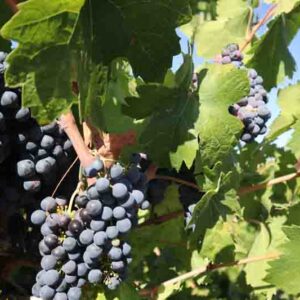
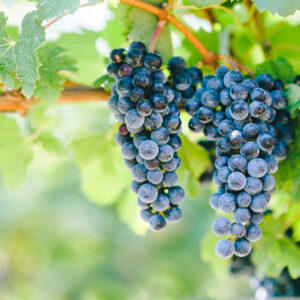
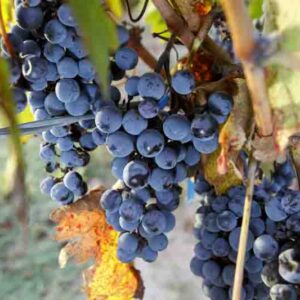
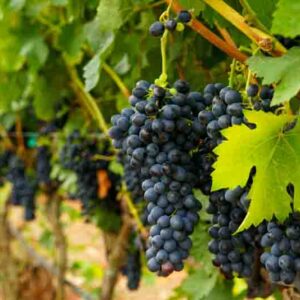
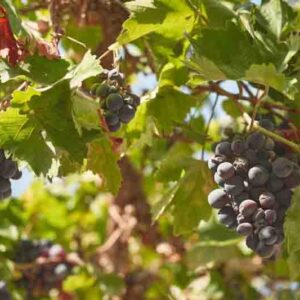
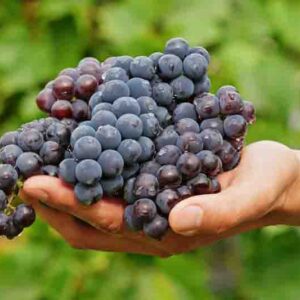
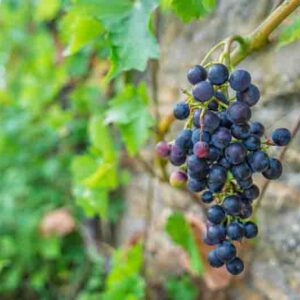
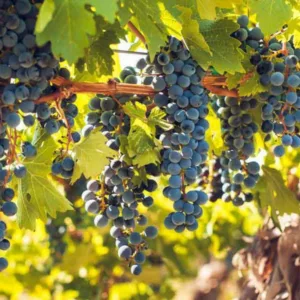
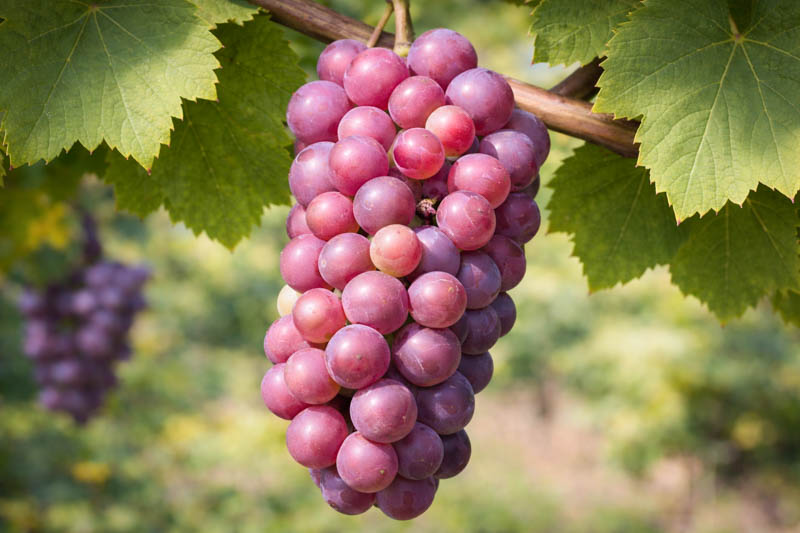
Beta is best known as a grape for juice, jelly, jam, and preserves, though it can also be eaten fresh by growers who enjoy old-fashioned grapey flavor with a tart-sweet edge. The berries are typically small, blue-black, juicy, and seeded, borne in relatively compact clusters. Its flavor is distinctly American in character, with the bold, aromatic profile gardeners often associate with traditional labrusca-type grapes.
This is also an important historic grape. Beta was introduced in Minnesota from a cross involving ‘Concord‘ and a white-fruited Vitis riparia selection, and it helped demonstrate that useful grapes could be grown successfully much farther north than many people assumed. That breeding background still explains much of its character today: toughness, productivity, and practical value over refinement.
For gardeners who want a vine with real purpose, Beta still deserves attention. It is not the ideal grape for everyone, and it should not be oversold as a premium dessert grape. But for cold-climate growers who want a vigorous, historically important vine that fruits reliably and has broad kitchen use, Beta remains a serious and worthwhile choice.
Vitis ‘Beta’ is a vigorous, self-pollinating, very cold-hardy grape vine grown mainly for juice, jelly, and preserves, with small seeded blue-black fruit, classic grapey flavor, and reliable performance in northern gardens. Plant it in full sun, give it strong support and annual dormant pruning, and expect the best results where airflow, drainage, and ripening conditions are good.
Use: Excellent for juice, jelly, jam, preserves, and cold-climate home fruit gardens. Highlight: Small clusters of blue-black seeded grapes with strong traditional grape flavor and exceptional winter hardiness. Landscape value: Because it is vigorous and durable, Beta also works well on trellises, pergolas, fences, and edible landscape structures where fruit production and summer coverage are both valued.
| Botanical Name | Vitis ‘Beta’ |
|---|---|
| Family | Vitaceae (Grape family) |
| Common Names | Beta Grape |
| Plant Type | Deciduous fruiting vine, woody climber |
| Hardiness (approx. USDA) | Zones 3-9; best understood as a very cold-hardy grape |
| Height | 15-20 ft. (4.5-6 m), depending on support and pruning |
| Spread | 15-20 ft. depending on training system |
| Sun Exposure | Full sun |
| Soil | Well-drained soil; adaptable, but fruit quality improves with good drainage and an open site |
| Harvest Season | Late summer to early fall, depending on region and site |
| Fruit | Blue-black, seeded berries with juicy flesh, tart-sweet balance, and classic grapey flavor |
| Berry Size | Small |
| Cluster Size | Small to medium, often fairly tight |
| Best Use | Usually better for processing and cold-climate home growing than for premium fresh-market eating |
Beta remains relevant because it solves a real cold-climate gardening problem. Many grapes can look promising on paper, but far fewer survive severe winters, ripen consistently, and still deliver a useful crop in short-season regions. Beta has long been valued because it is vigorous, productive, and notably hardy. In northern gardens, that practical reliability matters more than fashion.
Its appeal is also stylistic. Beta is not a delicate vinifera dessert grape, and it should not be judged by that standard. It is a traditional northern grape with a strong grapey character and a clear home-garden purpose. If you want a vine with regional identity and real kitchen value, Beta has far more substance than many generic table-grape descriptions suggest.
Why gardeners still grow it: Beta offers cold-climate growers something many tender grapes cannot — a realistic chance at a dependable crop.
Beta is a historic Minnesota grape linked to the work of breeder Louis P. Suelter of Carver, Minnesota. It was introduced from a cross between a white-fruited Vitis riparia clone and ‘Concord‘. That parentage helps explain why Beta combines familiar American grape flavor with unusual cold tolerance.
Its historical importance goes beyond survival. Beta helped show that grapes could be grown with real success much farther north than many growers had assumed. It also contributed to the broader story of cold-climate grape breeding in Minnesota. In that sense, Beta is not merely an old cultivar; it is part of the foundation of northern grape growing.
It is best understood as a cold-hardy American hybrid with strong Vitis riparia influence rather than as a refined Vitis vinifera dessert type. That distinction matters, because it helps set the right expectations for flavor, use, and performance.
Fresh eating: Fair to good if you enjoy small, tangy, old-fashioned grapes.
Juice: Excellent.
Jelly and jam: Excellent.
Wine: Possible on a home scale, though Beta is usually valued more for juice and preserves.
Ornamental shade: Very good on pergolas, trellises, and fences.
Shorter growing seasons: Useful because of its hardiness and relatively dependable maturity in northern settings.
Very cold climates: One of the strongest reasons to choose it.
Beta produces small blue-black seeded grapes with juicy flesh and a bold, traditional flavor. This is not a bland grape. The fruit has a strong grapey aroma and a tart-sweet profile that suits juice, jelly, and preserves particularly well. Gardeners who like old-fashioned American grapes often appreciate that intensity; those seeking a large, mild, seedless dessert grape may not.
The fruit is typically more useful than elegant. That is not a flaw so much as an honest description of its strengths. Beta was bred for utility in difficult climates, and its flavor profile reflects that heritage.
Flavor note: Beta is bold, grapey, and processing-friendly — much closer to a classic juice grape than to a refined dessert grape.
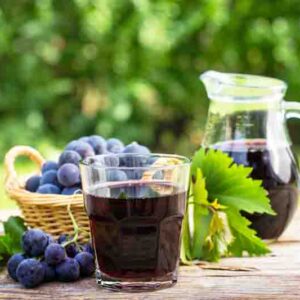
How to Make Grape Juice at Home
Beta is generally treated as self-pollinating, which makes it practical for gardeners with room for only one vine. Like bunch grapes more broadly, it fruits on current-season shoots that arise from one-year-old wood. That detail is important because grape production depends heavily on proper pruning and renewal.
A large neglected vine may still look impressive, but appearance alone does not guarantee a good crop. Without regular pruning, vines become crowded, fruiting wood declines in quality, and airflow worsens. Even a hardy grape like Beta performs best when its structure is managed intentionally.
How Long Grapevines Take to Produce Fruit
Beta is often described as early to midseason in some northern references and mid- to late-season in others. That apparent contradiction makes sense once regional conditions are taken into account. In colder districts, harvest may fall around September; in warmer or better-sited locations, fruit can ripen earlier.
The most practical description is this: expect Beta to ripen from late summer into early fall, with timing shaped by latitude, heat, sunlight, and site quality. In a full-sun planting with enough warmth, ripening is more dependable.
Why your Grapevine has Leaves but No Grapes
Do not judge ripeness by dark color alone. Beta berries often turn blue-black before they reach their best balance of sweetness and flavor. The most reliable test is taste. Fully ripe fruit should taste juicy, more rounded, and less sharply tart than under-ripe berries.
This matters especially with Beta because so many growers use it for juice and preserves. Picking too early can leave the crop more acidic and less flavorful than it should be.
Harvest tip: Pick Beta by flavor, not by color alone. Taste several berries before harvesting the entire crop.
Cold hardiness is the main reason Beta still earns space in northern gardens. It is widely regarded as one of the classic hardy grapes for cold regions and is often associated with USDA Zone 3 or 3b performance. In practical terms, it is a grape for places where winter cold eliminates many more tender choices.
Heat tolerance is much less central to its identity. Beta can grow in warmer areas, but it is usually not chosen for hot-climate refinement or premium fresh-eating quality. Its greatest strength remains performance where hardiness, vigor, and survival matter most.
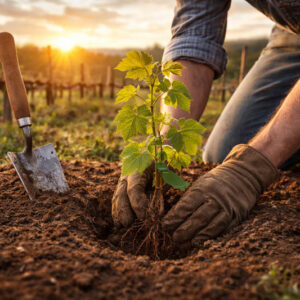
When to Plant Grapes for Healthier Vines
Beta is often described as having useful disease resistance, which is valuable in home plantings. Still, resistance should not be mistaken for immunity. In humid climates or dense canopies, grapes can still suffer from common diseases if pruning, airflow, and sanitation are poor.
Potential issues include powdery mildew, downy mildew, black rot, and botrytis bunch rot. Birds can also become a serious problem as the fruit colors and sweetens.
The most practical defense is not complicated: give the vine sun, keep the canopy open, and prune consistently. A vigorous grape is easier to keep healthy when it is not allowed to become a tangled mass of shade and humidity.
Common Grapevine Problems and How to Fix Them
Watch for: Beta is tougher than many grapes, but toughness is not the same as neglect tolerance. Dense, shaded growth can still lower fruit quality and increase disease pressure.
Beta responds well to practical grape training systems such as high cordon, bilateral cordon, or a simple two-wire trellis. Because the vine is vigorous, straightforward systems that make pruning and renewal easy are often the most effective choice for home gardeners.
It can also be grown over pergolas, fences, and arbors if your goal includes summer shade as well as fruit. Just remember that ornamental use does not reduce maintenance. A vine covering a structure still needs annual pruning and structure control if it is going to remain productive.
Discover the best trellis systems for backyard grapes
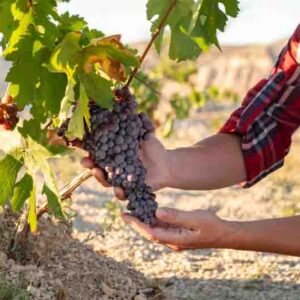
Prune Beta during dormancy, usually in late winter or very early spring before growth begins. Grapes bear on current-season shoots that arise from one-year-old wood, so heavy annual pruning is essential. This is one of the most important facts for anyone growing grapes successfully.
Beginners often under-prune because the vine looks too big or too healthy to cut back hard. That instinct usually leads to poorer fruiting. Beta performs better when the framework is controlled, fruiting wood is renewed, and excess growth is removed before the season starts.
How to Prune Grapevines for Bigger Harvests
Beta is not the best long-term container grape. It is vigorous, long-lived, and more naturally suited to open ground where it can establish a permanent root system and a durable support framework. A very large container can work for a while, but the vine will require more frequent watering, more careful feeding, and stricter control of growth.
For long-term fruit production, Beta is usually better planted in the ground.
How to Grow Grapes in Containers
Beta is an excellent choice for gardeners who want a hardy, productive, old-fashioned grape, especially in climates where winter survival is a major concern. It suits home growers who make juice and jelly, gardeners who want an edible vine for a pergola or fence, and anyone interested in historically important fruit cultivars for northern regions.
It is less ideal for growers whose top priority is a large, seedless, polished dessert grape. Beta is better understood as a working home-garden grape — resilient, useful, and regionally meaningful.
Beta: A historic, very hardy blue-black seeded grape valued mainly for juice, jelly, and dependable northern performance.
Valiant: Another very hardy northern grape, often considered especially useful where extreme hardiness is a priority and often compared with Beta by cold-climate growers.
Best choice: Choose Beta if you want heritage value, strong vigor, and a proven classic cold-climate grape. Choose Valiant if you want another extremely hardy northern option and are comparing traditional blue grapes for cold regions.
No. Beta is a seeded grape, and that is part of why it is used more often for juice, jelly, and preserves than as a modern seedless table grape.
It can be eaten fresh, but most gardeners value it more for juice, jelly, and jam. The fruit is small, seeded, and strongly flavored rather than refined and seedless.
Beta is one of the classic cold-hardy grapes for northern gardens. It is commonly placed around USDA Zone 3 or 3b and is valued mainly for its winter hardiness.
No. Beta is generally treated as self-pollinating, so one vine can usually produce fruit on its own.
Beta usually ripens from late summer into early fall, with timing depending on region and site. In colder northern climates, harvest commonly falls around September.
Most bunch grapevines should be planted about 6 to 8 feet apart, with rows at least 8 feet apart. That spacing usually works well for Beta too.
A young Beta vine may produce a few clusters fairly early, but most home grapevines reach their first meaningful crop around the third year after planting.
No. Like grapes generally, Beta should be harvested fully ripe because it does not become sweeter or more flavorful after picking.
Sometimes, depending on climate and site. Beta has useful disease resistance, but in humid regions truly spray-free grape growing can still be unrealistic if disease pressure is high.
Bottom line: Vitis ‘Beta’ remains one of the most useful classic grapes for cold-climate home gardeners because it combines winter hardiness, vigor, history, and practical kitchen value. It is not a polished seedless dessert grape, and it should not be described that way. But for growers who want a dependable, productive vine with real northern credentials, Beta still earns its place.
Updated: April 2026 • Reviewed by Gardenia Editors
| Hardiness |
3 - 9 |
|---|---|
| Plant Type | Climbers, Fruits, Shrubs |
| Plant Family | Vitaceae |
| Genus | Vitis |
| Common names | Grape |
| Exposure | Full Sun |
| Season of Interest | Summer (Early, Mid, Late), Fall |
| Height | 15' - 20' (4.6m - 6.1m) |
| Spread | 15' - 20' (4.6m - 6.1m) |
| Spacing | 180" - 240" (4.6m - 6.1m) |
| Maintenance | High |
| Water Needs | Average |
| Soil Type | Chalk, Loam, Sand |
| Soil pH | Alkaline, Neutral |
| Soil Drainage | Well-Drained |
| Characteristics | Showy, Fruit & Berries |
| Tolerances | Fire |
| Attracts | Bees, Birds |
| Garden Uses | Arbors, Pergolas, Trellises, Walls And Fences |
| Garden Styles | Informal and Cottage |
| Toxic to Humans | No known toxicity |
| Toxic to Cats | No known toxicity |
| Toxic to Dogs | Toxic |
| Toxic to Horses | No known toxicity |


| Hardiness |
3 - 9 |
|---|---|
| Plant Type | Climbers, Fruits, Shrubs |
| Plant Family | Vitaceae |
| Genus | Vitis |
| Common names | Grape |
| Exposure | Full Sun |
| Season of Interest | Summer (Early, Mid, Late), Fall |
| Height | 15' - 20' (4.6m - 6.1m) |
| Spread | 15' - 20' (4.6m - 6.1m) |
| Spacing | 180" - 240" (4.6m - 6.1m) |
| Maintenance | High |
| Water Needs | Average |
| Soil Type | Chalk, Loam, Sand |
| Soil pH | Alkaline, Neutral |
| Soil Drainage | Well-Drained |
| Characteristics | Showy, Fruit & Berries |
| Tolerances | Fire |
| Attracts | Bees, Birds |
| Garden Uses | Arbors, Pergolas, Trellises, Walls And Fences |
| Garden Styles | Informal and Cottage |
| Toxic to Humans | No known toxicity |
| Toxic to Cats | No known toxicity |
| Toxic to Dogs | Toxic |
| Toxic to Horses | No known toxicity |
How many Vitis ‘Beta’ (Grape) do I need for my garden?
| Plant | Quantity | |
|---|---|---|
| Vitis ‘Beta’ (Grape) | N/A | Buy Plants |
Create a membership account to save your garden designs and to view them on any device.
Becoming a contributing member of Gardenia is easy and can be done in just a few minutes. If you provide us with your name, email address and the payment of a modest $25 annual membership fee, you will become a full member, enabling you to design and save up to 25 of your garden design ideas.
Join now and start creating your dream garden!
Create a membership account to save your garden designs and to view them on any device.
Becoming a contributing member of Gardenia is easy and can be done in just a few minutes. If you provide us with your name, email address and the payment of a modest $25 annual membership fee, you will become a full member, enabling you to design and save up to 25 of your garden design ideas.
Join now and start creating your dream garden!