Prairie Star Grape, Prairie Star White Wine Grape, Prairie Star Hybrid Wine Grape, Es 3-24-7
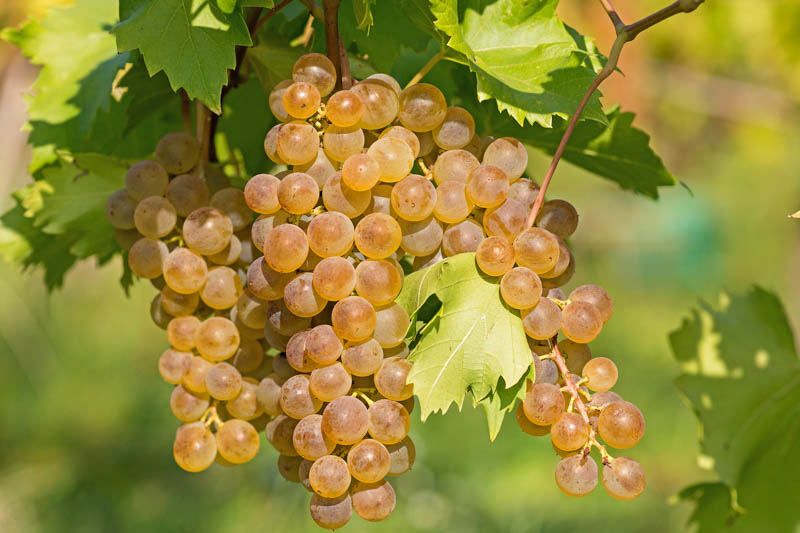


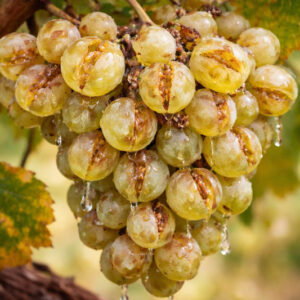
Vitis ‘Prairie Star’, commonly known as the Prairie Star Grape, is widely regarded as one of the more useful cold-climate white wine grapes for northern growers. Bred by legendary hybridizer Elmer Swenson in Wisconsin and released in 2000, Prairie Star became important because it delivers what cold-region vineyards need most: very strong winter hardiness, early ripening, good vineyard vigor, and fruit chemistry suitable for serious white wine production. In the Upper Midwest, northern Plains, interior Northeast, and similar cold-winter regions, Prairie Star is not just another hybrid – it is a practical cultivar with a real track record.
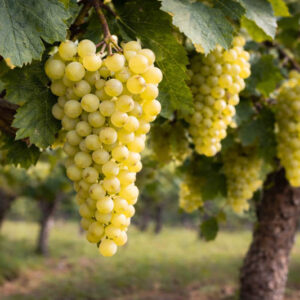
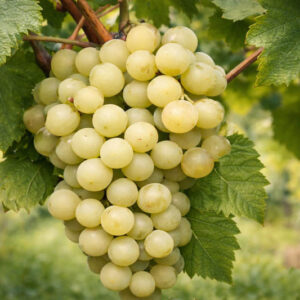
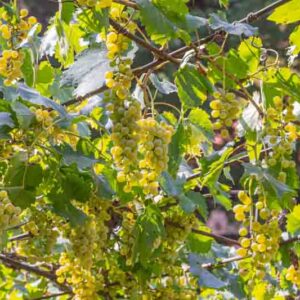
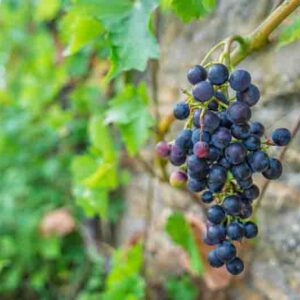
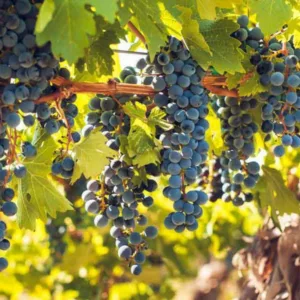
This is a vigorous, deciduous fruiting vine grown primarily for white wine, though it is also used for fresh eating and juice in some home plantings. The vine typically produces white to yellow fruit with thick skins, and it is especially valued because it can reach useful sugar levels while still holding the kind of acidity that supports fresh, structured white wines. Multiple cold-climate references describe Prairie Star wine as neutral to lightly floral, non-foxy, and fuller in body and finish than many growers expect from a hardy white hybrid. That makes it particularly attractive as both a varietal option and a blending grape.
For growers trying to build a vineyard that actually survives real winters and still ripens fruit on time, Prairie Star remains one of the cultivars worth taking seriously. It is early enough for shorter seasons, hardy enough for severe winters, and useful enough in the winery to justify its place in both commercial and home plantings.
Vitis ‘Prairie Star’ is a vigorous, early-ripening, cold-hardy hybrid grape grown mainly for white wine. Plant it in full sun, provide sturdy support and annual dormant pruning, and expect white to yellow grapes with strong winemaking potential from late summer into early fall in colder grape-growing regions.
Use: Excellent for white wine, especially blends and crisp northern-climate whites, and also useful for fresh eating and juice in home gardens. Highlight: Produces white to yellow grapes with thick skins, early maturity, and strong sugar-acid balance for winemaking. Design note: Because it is vigorous and semi-upright, Prairie Star works well on trellises, vineyard rows, fences, and productive edible landscapes.
| Botanical Name | Vitis ‘Prairie Star’ |
|---|---|
| Family | Vitaceae (Grape family) |
| Common Names | Prairie Star Grape |
| Plant Type | Deciduous fruiting vine, woody climber |
| Hardiness (approx. USDA) | often grown in Zones 3-7 depending on site |
| Height | 15-20 ft. (4.5-6 m), sometimes more with age and support |
| Spread | 12-20 ft. depending on pruning and training |
| Sun Exposure | Full sun |
| Soil | Well-drained soil; moderate fertility preferred |
| Harvest Season | Early – late summer to early fall, depending on region |
| Fruit | White to yellow berries with thick skins and balanced winemaking chemistry |
Prairie Star matters because it solves a real viticulture problem. In cold-climate grape regions, growers need more than flavor. They need vines that can survive hard winters, ripen early enough for shorter seasons, and still produce fruit worth fermenting. Prairie Star checks those boxes unusually well. It is widely described as very hardy, early ripening, and capable of producing wines that are neutral, non-foxy, and fuller in the mouth and finish than many hardy white hybrids. That combination is exactly why it remains relevant.
Why growers value it: Prairie Star is the kind of grape you plant when your climate is cold enough to punish weak choices. It is not just hardy. It is useful.
Prairie Star was developed by Elmer Swenson in Osceola, Wisconsin. Cold-climate cultivar references identify it as selection E.S. 3-24-7, from the cross E.S. 2-7-13 x E.S. 2-8-1, with release in 2000. Its complex background includes multiple grape species, which helps explain why it behaves differently from classic European wine grapes: it was bred for survival, earliness, and utility in challenging climates, not just for fine-wine tradition.
White wine: Excellent, especially for dry whites and blends.
Varietal wine: Possible in good years, especially where fruit chemistry is strong and ripening is consistent.
Blending: Outstanding – Prairie Star is repeatedly noted for contributing body and finish.
Fresh eating: Acceptable for home use, though it is primarily a wine grape.
Cold climates: Excellent.
Short growing seasons: Strong choice because of its early maturity.
Prairie Star is commonly sold by nurseries as a self-pollinating or self-fertile grape, which makes it practical for home growers planting a single vine. That said, this is one of those claims that is often repeated more clearly in trade sources than in extension summaries, so the most careful wording is this: for home garden purposes, Prairie Star is generally treated as capable of fruiting without a second cultivar, though additional grape varieties can still improve vineyard diversity and, in some settings, fruit set. Like other grapes, it bears on current-season shoots arising from one-year-old wood, so annual pruning remains essential.
How Long Grapevines Take to Produce Fruit
Prairie Star is generally classed as an early-ripening grape. Cold-climate cultivar references place it around mid-September in St. Paul, while Iowa and some nursery sources place harvest from mid- to late August through late September depending on region, season, and site. The key point is not one universal date. It is that Prairie Star tends to finish early enough to matter in climates where later grapes may struggle to ripen completely.
Why your Grapevine has Leaves but No Grapes
Because Prairie Star is a white grape, harvest timing is not about dramatic color change. Better cues include fruit chemistry, flavor development, seed maturity, and acid balance. For winemaking, Prairie Star is often described as reaching around 20-22 degrees Brix, or more specifically 21-22 degrees Brix, with acidity suitable for crisp, structured white wine. For home growers, tasting still matters: ripe fruit should feel less sharp, more complete, and better balanced rather than merely sweet.
Harvest tip: Prairie Star should be harvested for balance, not guesswork. Sugar, acidity, and flavor all matter more than berry color.
Fruit chemistry is one of Prairie Star’s strongest selling points. Cold-climate references describe it as capable of reaching excellent sugar and acidity for winemaking, commonly around 21-22° Brix, while commercial vine suppliers often describe acidity as typically below 1%. That combination helps explain why Prairie Star works so well in northern white winemaking: it can ripen early, retain useful structure, and still deliver fruit that feels technically workable in the winery.
Fruit chemistry snapshot: Prairie Star is widely valued because it often lands in the sweet spot for cool-climate whites – enough sugar to ripen properly, enough acidity to stay bright, and enough body to avoid tasting thin.
Prairie Star is not known for the strong musky “foxy” character associated with some American grapes. Instead, its wine is often described as neutral to delicately floral, with good mouthfeel and a fuller finish than many hardy white hybrids. In some years it may show a stronger floral nose, but its most dependable strength is structural: it gives wines shape, texture, and substance. That is why many growers and winemakers value it so highly as a blending component.
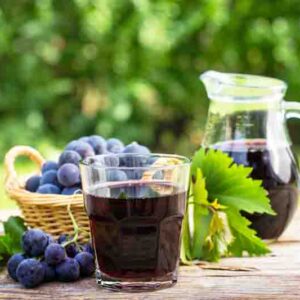
How to Make Grape Juice at Home
Flavor note: Prairie Star is valued less for dramatic perfume than for clean, non-foxy fruit, good mouthfeel, and the body it contributes to northern white wines.
Cold hardiness is one of Prairie Star’s defining strengths. Authoritative cold-climate reviews place it among the more winter-resilient white wine hybrids, often describing it as hardy to roughly -20°F to -35°F, with the original seedling reported to have shown more than 50% bud survival after -40°F. Commercial nursery listings frequently place it in Zone 3, which is a helpful shorthand, but the more careful interpretation is that Prairie Star has repeatedly shown suitability for very cold grape-growing regions when properly sited and managed.
Best Grapes for Zone 4 – Cold Hardy Varieties that Work
When to Plant Grapes for Healthier Vines
Prairie Star is often described in broad terms as having good or moderate disease resistance, but that wording needs nuance. The better cold-climate references describe a mixed disease profile, not immunity. Prairie Star has been described as moderately resistant to downy mildew, moderately susceptible to black rot and anthracnose, and in older cultivar summaries as slightly susceptible to powdery mildew. In other words, it is a manageable grape for northern vineyards, but still very much a grape that benefits from canopy control, sanitation, airflow, and disease-aware management.
Potential insect and vertebrate issues include phylloxera, grape berry moth, Japanese beetles, leafhoppers, leafrollers, mealybugs, flea beetles, and deer.
Other practical problems matter too. Prairie Star can show variable fruit set in some seasons. Young shoots may be vulnerable to blow-out, and exposed sites can see wind-related shoot damage. It is also repeatedly described as susceptible to 2,4-D and dicamba drift injury, which means nearby weed-control practices can affect vineyard performance more than many beginners expect.
Common Grapevine Problems and How to Fix Them
Watch for: Prairie Star is strong, but not carefree. Dense canopies, poor airflow, herbicide drift, and windy exposed sites can all reduce performance quickly.
Prairie Star has a semi-upright growth habit, and cold-climate references note that it is well adapted to vertical shoot positioning (VSP). Some commercial sources also point growers toward top wire cordon systems, but wind exposure matters. In sites prone to shoot damage, the safest advice is to choose a system that supports shoot positioning, keeps the canopy open, and fits the site’s weather realities rather than forcing one trellis style everywhere.
Prairie Star is vigorous enough that annual dormant pruning is not optional. Like other grapes, it fruits on current-season shoots arising from one-year-old canes, so neglected vines quickly become leafy, tangled, and less productive. Cold-climate references also note that it can be moderately productive on secondary buds, which is helpful in recovery years but not a substitute for disciplined pruning. Some growers additionally report that apical shoot pinching before bloom may improve fruit set, a useful detail for a cultivar known to show inconsistency in some seasons.
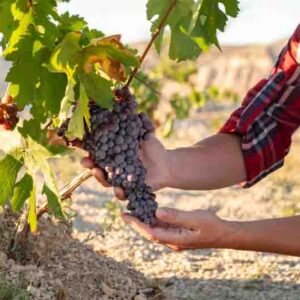
How to Prune Grapevines for Bigger Harvests: Cane Pruning vs Spur Pruning
Prairie Star is not an ideal long-term container grape. It is a serious vineyard vine with strong vigor and a real root system. Large containers can work temporarily, but growers should expect more frequent watering, tighter fertility control, and lower long-term performance than they would see in open ground. If the goal is wine-quality fruit or a mature, productive vine, planting in the ground is the stronger choice. This is an inference from its vigor and standard vineyard use rather than a frequently highlighted extension recommendation.
How to Grow Grapes in Containers (Expert Pot Guide)
Prairie Star is an excellent choice for growers who want a serious cold-climate white wine grape, especially in regions where winter injury, short seasons, and inconsistent ripening make cultivar choice critical. It is particularly well suited to northern commercial growers, home vineyard owners, and winemakers who care about structure and blending utility. It is less ideal for people who want a seedless snack grape with supermarket-style texture. Grow Prairie Star for hardiness, earliness, and workable wine chemistry – not for convenience-table-grape expectations.
Prairie Star vs Louise Swenson
Prairie Star: Very hardy, early, useful for body and finish, and usually more neutral to lightly floral in wine style.
Louise Swenson: More often described as delicate, floral, and honeyed, with lighter body and lower sugar than Prairie Star in some references.
Best choice: Choose Prairie Star when you want more structure and blending strength. Choose Louise Swenson when you want finer aromatics and a softer profile. One of the strongest cold-climate sources explicitly notes that the two were named together because they work well as blending partners.
Prairie Star vs Brianna
Prairie Star: Earlier, more neutral to lightly floral, valued for white wine structure and blending.
Brianna: Often described as more aromatic, with pineapple-like character and stronger table-grape crossover appeal in some cold-hardy summaries.
Best choice: Choose Prairie Star when you want a more winery-focused grape with clean structure and body. Choose Brianna when you want louder fruit character and broader fresh-eating appeal.
Prairie Star is primarily a white wine grape. It can be eaten fresh, but it is best known for cold-climate winemaking and for adding body and finish to white blends.
Prairie Star is considered very cold-hardy. Extension and nursery references place it among the more winter-resilient cold-climate wine grapes, with strong performance reported even after very low winter temperatures and many listings placing it in Zone 3 conditions.
Prairie Star is an early-ripening grape. Depending on region and season, harvest may fall from mid- to late August in warmer cold-climate sites to around mid-September in cooler northern locations.
Prairie Star wines are often described as neutral to delicately floral, non-foxy, and fuller in body and finish than many cold-hardy white hybrids. It is especially valued in blends.
Prairie Star is commonly sold by nurseries as self-pollinating or self-fertile, so a single vine is generally treated as capable of fruiting in home garden conditions.
Its main weaknesses are variable fruit set in some seasons, a mixed rather than bulletproof disease profile, risk of young shoot damage on exposed sites, and sensitivity to herbicide drift such as 2,4-D and dicamba.
For readers comparing cold-hardy grapes, useful next-step pages would include Reliance Grape, King of the North Grape, Catawba Grape, Vitis labrusca, and a broader guide to how to grow grapes in the home garden.
Bottom line: Vitis ‘Prairie Star’ remains one of the most useful cold-climate white wine grapes because it brings together early ripening, genuine winter hardiness, solid fruit chemistry, and real vineyard practicality. It is not the grape for growers chasing flashy aromatics at any cost. It is the grape for people who want a vine that survives, ripens, and earns its place.
Updated: April 2026 • Reviewed for cultivar accuracy and cold-climate viticulture relevance
| Hardiness |
3 - 7 |
|---|---|
| Plant Type | Climbers, Fruits, Shrubs |
| Plant Family | Vitaceae |
| Genus | Vitis |
| Common names | Grape |
| Exposure | Full Sun |
| Season of Interest | Summer (Early, Mid, Late), Fall |
| Height | 15' - 20' (4.6m - 6.1m) |
| Spread | 12' - 20' (3.7m - 6.1m) |
| Spacing | 144" - 240" (3.7m - 6.1m) |
| Maintenance | High |
| Water Needs | Average |
| Soil Type | Chalk, Loam, Sand |
| Soil pH | Alkaline, Neutral |
| Soil Drainage | Well-Drained |
| Characteristics | Showy, Fruit & Berries |
| Tolerances | Fire |
| Attracts | Bees, Birds |
| Garden Uses | Arbors, Pergolas, Trellises, Walls And Fences |
| Garden Styles | Informal and Cottage |
| Toxic to Humans | No known toxicity |
| Toxic to Cats | No known toxicity |
| Toxic to Dogs | Toxic |
| Toxic to Horses | No known toxicity |


| Hardiness |
3 - 7 |
|---|---|
| Plant Type | Climbers, Fruits, Shrubs |
| Plant Family | Vitaceae |
| Genus | Vitis |
| Common names | Grape |
| Exposure | Full Sun |
| Season of Interest | Summer (Early, Mid, Late), Fall |
| Height | 15' - 20' (4.6m - 6.1m) |
| Spread | 12' - 20' (3.7m - 6.1m) |
| Spacing | 144" - 240" (3.7m - 6.1m) |
| Maintenance | High |
| Water Needs | Average |
| Soil Type | Chalk, Loam, Sand |
| Soil pH | Alkaline, Neutral |
| Soil Drainage | Well-Drained |
| Characteristics | Showy, Fruit & Berries |
| Tolerances | Fire |
| Attracts | Bees, Birds |
| Garden Uses | Arbors, Pergolas, Trellises, Walls And Fences |
| Garden Styles | Informal and Cottage |
| Toxic to Humans | No known toxicity |
| Toxic to Cats | No known toxicity |
| Toxic to Dogs | Toxic |
| Toxic to Horses | No known toxicity |
How many Vitis ‘Prairie Star’ (Grape) do I need for my garden?
| Plant | Quantity | |
|---|---|---|
| Vitis ‘Prairie Star’ (Grape) | N/A | Buy Plants |
Create a membership account to save your garden designs and to view them on any device.
Becoming a contributing member of Gardenia is easy and can be done in just a few minutes. If you provide us with your name, email address and the payment of a modest $25 annual membership fee, you will become a full member, enabling you to design and save up to 25 of your garden design ideas.
Join now and start creating your dream garden!
Create a membership account to save your garden designs and to view them on any device.
Becoming a contributing member of Gardenia is easy and can be done in just a few minutes. If you provide us with your name, email address and the payment of a modest $25 annual membership fee, you will become a full member, enabling you to design and save up to 25 of your garden design ideas.
Join now and start creating your dream garden!