Valiant grape, Valiant table grape, Blue grape ‘Valiant’, Vitis × ‘Valiant’, Vitis riparia ‘Valiant’, Vitis labrusca ‘Valiant’
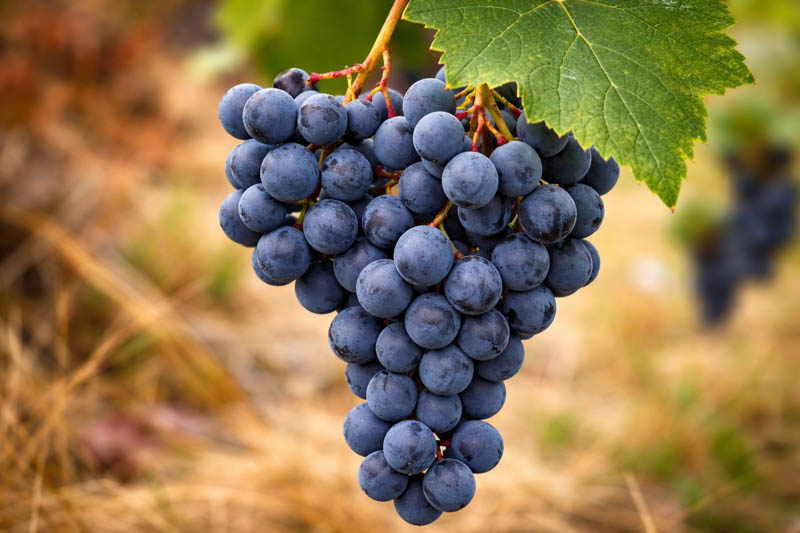


Vitis ‘Valiant’, commonly known as the Valiant grape or Valiant grape vine, is one of the most cold-hardy grapes ever introduced for home gardens and northern landscapes. Bred at South Dakota State University for the short growing seasons and punishing winters of the northern Great Plains, Valiant built its reputation by doing what many grapes cannot: ripening dependable fruit where winter cold can destroy less hardy vines.
This deciduous hybrid grapevine is valued for combining exceptional winter hardiness, very early ripening, strong vigor, and reliable productivity. Valiant produces compact clusters of small blue grapes with slip-skin character, rich American grape flavor, and enough sweetness for fresh eating, juice, jam, jelly, and home winemaking. For growers in cold and short-season climates, it remains a practical benchmark because it matures early, crops well, and succeeds where many classic grapes are too tender.
Vitis ‘Valiant’ is an extremely cold-hardy hybrid grapevine bred for juice, jelly, fresh eating, and home winemaking in short-season climates. Plant it in full sun with excellent drainage, train it on a sturdy trellis, and prune it every year to keep its vigorous growth productive. Expect compact clusters of small blue seeded grapes that usually ripen from late August into early September, often earlier than Beta.
Use: Primarily grown for juice, jelly, jam, fresh eating, and home winemaking in cold regions.
Highlight: Compact clusters of small blue grapes with sweet-tangy flavor and very early ripening on an exceptionally hardy vine.
Design note: Valiant also works as an ornamental climbing edible vine for trellises, fences, arbors, and backyard landscapes when properly trained and pruned.
| Botanical Name | Vitis ‘Valiant’ |
|---|---|
| Family | Vitaceae |
| Common Name | Valiant Grape |
| Plant Type | Deciduous fruiting vine, cold-hardy hybrid grape |
| Hardiness (approx. USDA) | Zones 3-8 |
| Reported Cold Tolerance | Reported to survive temperatures near -45°C (-49°F) in prairie trials |
| Height | 15-20 ft. depending on pruning and support |
| Spread | 6-10 ft. or more depending on training system |
| Sun Exposure | Full sun |
| Soil | Well-drained soil; avoid chronically wet sites |
| Ripening Season | Very early; often late August to early September in northern areas |
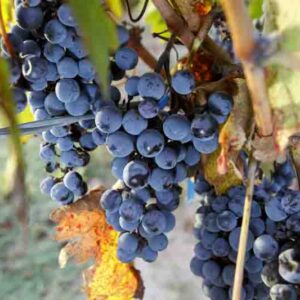
| Fruit | Compact clusters of small blue to blue-black seeded grapes, typically 0.9-1.1 cm in diameter, sweet-tangy with slip-skin character |
| Sugar Level | Typically 17-19 °Brix under good ripening conditions |
| Typical Yield | Often about 10-20 lb (4-9 kg) per mature vine under good backyard management |
| Cluster Size | Medium, compact clusters, often about 75-150 g, depending on crop load and pruning |
Valiant is special because it solves a problem that stops many grape growers cold, literally. It was bred for northern plains conditions, where severe winter lows, erratic spring weather, and short summers can make grape production frustrating or impossible. Valiant does not just survive those conditions; it ripens fruit early enough to be genuinely useful.
That combination of extreme cold hardiness, early maturity, and practical fruit quality makes it unusually valuable. Many grapes are either hardy but poor in flavor, or flavorful but too tender for severe winters. Valiant bridges that gap. It is not a delicate vinifera wine grape trying to pass as rugged. It is a purpose-built northern grape that performs with confidence.
Why gardeners keep planting it: Valiant ripens early, crops heavily, and handles winters that would wipe out many other grapes.
| Breeder | South Dakota State University |
|---|---|
| Parentage | ‘Fredonia’ × a hardy Vitis riparia selection from Montana |
| Cross made | 1967 |
| Selected | 1972 |
| Fruit color | Blue to blue-black |
| Berry size | Small |
| Cluster type | Compact, medium clusters |
| Ripening season | Very early |
| Sugar | Usually 17-19 °Brix |
| Main uses | Juice, jelly, jam, fresh eating, home wine |
Valiant was developed by the South Dakota State University breeding program for the northern Great Plains. According to the cultivar release literature, it came from a 1967 cross of ‘Fredonia’ with a hardy Vitis riparia selection collected near Culbertson, Montana. The cultivar was selected in 1972 and later introduced as the first named release from that breeding effort.
This background explains much of what growers observe in the field. The Fredonia side contributes better fruit quality and recognizable American grape character, while the riparia side contributes hardiness and early maturity. That is why Valiant is often described as a practical, improved prairie grape rather than simply another Concord-type vine.
Very cold climates: Ideal where winter survival is the first priority.
Backyard juice and jelly production: A dependable workhorse for home harvests.
Edible screening and arbors: Vigorous enough to cover structures beautifully.
Short-season gardens: Early ripening is one of its greatest strengths.
Home winemakers: Useful for juice-based, country-style, and blended wines.
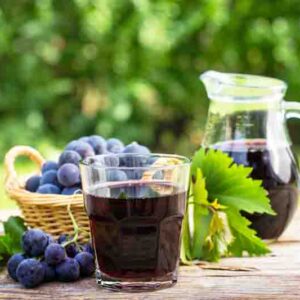
Valiant occupies a useful middle ground. It is primarily known as a juice, jelly, and table grape, but it can also be used for homemade wine. That makes it more versatile than strictly wine-focused cultivars. The berries are small and seeded, so it is not a luxury supermarket table grape, yet it is flavorful enough for fresh eating straight off the vine. How to Make Grape Juice at Home
Its biggest strengths are practical rather than glamorous: sweetness, tangy flavor, easy juice extraction, and dependable ripening in cold climates. If you want refined fine-wine chemistry, other cultivars may be better. If you want a hardy grape with reliable fruit for multiple kitchen and cellar uses, Valiant is compelling.
Valiant is self-pollinating, so one vine can set fruit on its own. That makes it especially useful for small gardens and backyard growers with room for only one grapevine. Good sun exposure, healthy flowering conditions, and proper pruning still matter, because strong fruit set depends on vine vigor and weather at bloom.
Like other grapes, Valiant fruits on shoots that grow from one-year-old wood. Mature vines are typically vigorous, precocious, and productive, which sounds ideal until the plant sets more fruit than it can ripen well. In practice, that means pruning and crop balance are essential. Valiant often benefits from thoughtful crop control to maintain fruit quality.
How Long Grapevines Take to Produce Fruit
One of the main reasons Valiant remains popular is its very early ripening season. In formal release information, fruit matured in late August, roughly two weeks earlier than Beta. Extension guidance for South Dakota also describes it as a very early-ripening grape, which is a major advantage in climates where fall arrives quickly.
That early maturity changes the equation for northern gardeners. Instead of hoping fruit might finish before frost, growers can plan around a cultivar built to ripen on time. It also makes Valiant attractive for growers who want dependable fruit for juice, jelly, or fresh harvest before birds and autumn weather take over.
Why your Grapevine has Leaves but No Grapes
How to Tell When Grapes Are Ready to Harvest
Harvest tip: Do not pick Valiant just because the berries turn blue. Wait for full flavor, sweetness, and easy slip-skin ripeness to get the best juice and brightest jelly character.
Valiant commonly reaches 17-19 °Brix, enough sugar for quality juice, jelly, and light home winemaking. That level is sometimes a little lower than classic Concord in warm regions, but it is excellent for a grape bred to ripen so early in cold climates. Extension literature also describes it as having high sugars with relatively moderate acidity for its class, helping explain its friendly eating quality compared with harsher wild riparia grapes.
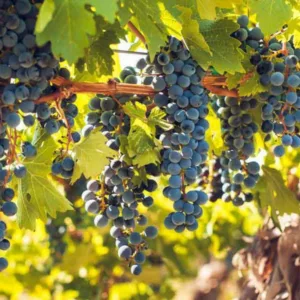
For practical growers, the message is simple: harvest by flavor, color, and sweetness together. The clusters are attractive and well filled, the berries are small and round, and fully ripe fruit develops the sweet-tangy balance many people expect from hardy blue grapes. Because the vine can overbear, fruit quality is often best when crop load is balanced rather than excessive.
Key fruit traits: 17-19 °Brix, sweet-tangy blue fruit, moderate acidity for a very hardy grape, and useful flavor for juice, jelly, fresh eating, and home wine.
Valiant is valued not just for surviving winter, but for actually producing dependable crops afterward. Mature backyard vines commonly yield around 10-20 pounds of fruit under good management, though yield varies with climate, pruning, training system, and vine age. In favorable seasons, vigorous vines may try to carry even more.
That heavy productivity is an advantage only if it is managed well. Overcropped vines can ripen less evenly, develop lower sugar, and produce smaller or less flavorful berries. Balanced pruning, good sunlight, and occasional cluster thinning help keep the vine productive without sacrificing quality.
Because it is genuinely hardy, not merely marketed as hardy. In trials and field experience, exposed vines reportedly fruited after winters that dropped to about -45°C, and the cultivar proved especially resilient in severe prairie conditions. That kind of durability is unusual and valuable.
Best Grapes for Zone 4 – Cold Hardy Varieties that Work
Just as important, Valiant pairs winter survival with early maturity. Hardiness alone is not enough if fruit never ripens. Valiant succeeds because it offers northern growers a complete package: survival, ripening, productivity, and useful flavor. That is why it remains one of the defining cold-hardy grapes for home gardeners in severe climates.
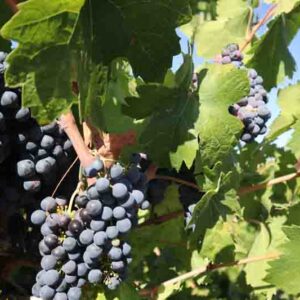
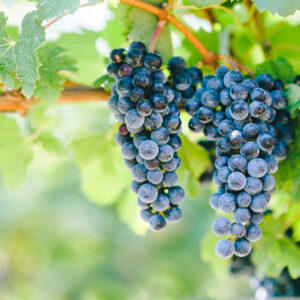
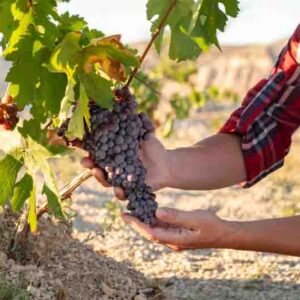
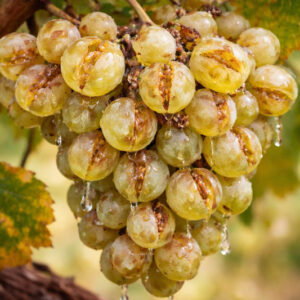
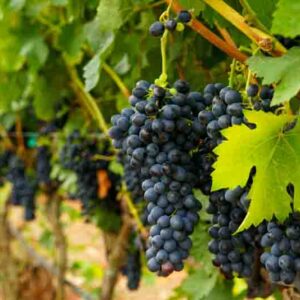
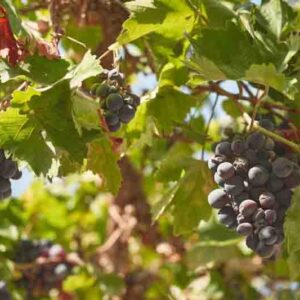
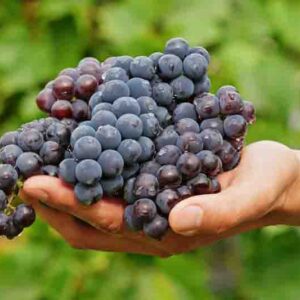
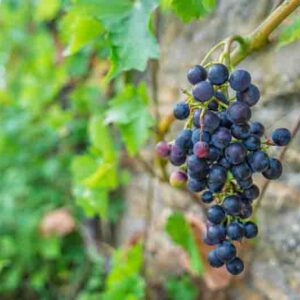
Valiant bears compact, attractive clusters averaging about 10 cm long, sometimes with a shoulder. The berries are small, roughly 0.9-1.1 cm in diameter, round, blue to blue-black, and seeded. The skin slips easily from the pulp, giving the fruit that classic slip-skin American grape texture.
Flavor is one of its quiet strengths. The fruit is typically described as sweet, tangy, and free from harsh astringency, with the kind of bright, refreshing profile that works especially well in juice and jelly. Fresh eating is pleasant when the crop is fully ripe, though the small seeded berries and slip-skin texture make it more of a homestead grape than an elegant dessert grape.
Best Grapes for Fresh Eating – Top Varieties Ranked
Flavor profile: Think sweet blue grape juice, tangy freshness, classic American grape character, and bright homemade-jelly energy.
Valiant is widely regarded as one of the most cold-hardy cultivated grapes available to home growers. It performs especially well in the northern Great Plains and other severe-winter regions where Concord, Fredonia, and many vinifera grapes struggle or fail.
That does not mean site selection stops mattering. Even the toughest grape benefits from full sun, good air movement, and well-drained soil. Planting on a warm, open site with a sturdy trellis will always improve growth, reduce disease pressure, and help fruit finish with better sweetness and color.
When to Plant Grapes for Healthier Vines
Cold-climate takeaway: Valiant is one of the rare grapes that combines true prairie hardiness with very early harvest and practical backyard fruit quality.
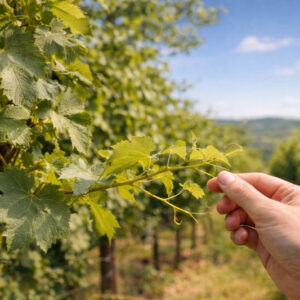
Valiant is a vigorous climbing vine, often reaching 15-20 feet if left unpruned. That vigor is a major asset when you want rapid establishment on a fence, trellis, or arbor, but it can become a management problem if the canopy turns into a dense wall of foliage.
The best Valiant vines are not the wildest ones. They are the ones trained into a clear structure, pruned regularly, and kept open enough for sunlight and airflow. In other words, vigor is an advantage only when it is directed.
Valiant is tough, but it is not maintenance-free. South Dakota Extension notes susceptibility to downy mildew, especially in humid conditions. Overall, it is best described as a hardy grape with moderate disease resistance, not as a disease-proof cultivar.
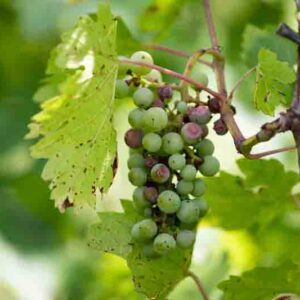
It may also be affected by powdery mildew, black rot, botrytis bunch rot, anthracnose, and crown gall, particularly in humid summer climates or poorly ventilated sites.
Like most grapes, Valiant can also face insect and wildlife pressure. Common issues include phylloxera, grape berry moth, Japanese beetles, leafhoppers, leafrollers, mealybugs, and flea beetles. Birds can be especially destructive as fruit colors and sweetens.
In practical terms, this means Valiant rewards basic discipline. Keep the canopy open, clean up old debris, monitor foliage in wet summers, and protect ripening clusters if birds are active. Its hardiness reduces winter risk, but healthy fruit still depends on smart growing.
Common Grapevine Problems and How to Fix Them
Watch for: Downy mildew, bird pressure, and overcropping are more likely to reduce quality than winter injury.
Valiant needs a support system. For home growers, that can be a strong fence, arbor, pergola, or classic backyard trellis. South Dakota Extension recommends cane-training systems, which fits a vigorous, productive cultivar that benefits from renewal wood and good canopy control.
Because the vine grows quickly and can carry a heavy crop, flimsy supports are a mistake. Use a structure that can hold mature wood, leaves, and fruit without sagging. Gardeners who want both shade and harvest often find Valiant especially useful on arbors, where it offers ornamental coverage along with edible production.
Annual pruning is essential with Valiant because vigorous grapes quickly become unproductive tangles if neglected. Prune before spring growth begins, remove weak or crowded wood, and preserve strong one-year canes for the next season’s crop. If the vine carried too many clusters the previous year, thinning can improve ripening and fruit quality.
Canopy management matters just as much as winter pruning. Tie shoots where needed, keep clusters exposed to filtered sun, and prevent dense shading around fruit. Valiant is productive enough that even modest structure can lead to noticeably better harvest quality.
How to Prune Grapevines for Bigger Harvests: Cane Pruning vs Spur Pruning
Valiant and Beta are often compared because both are classic hardy blue grapes for northern growers. The most important difference is that Valiant ripens earlier and is often considered improved in fruit quality. Formal release notes placed it about two weeks earlier than Beta, and extension guidance still positions it as a very early cultivar.
That timing advantage matters in short seasons. If your goal is dependable harvest before cold weather closes in, Valiant often has the edge. Beta remains useful and hardy, but Valiant is frequently preferred by growers who want similar durability with earlier maturity and more versatile kitchen use.
| Cultivar | Ripening | Hardiness | Fruit Style |
|---|---|---|---|
| Valiant | Very early | Exceptional | Small blue slip-skin grapes for juice, jelly, fresh use, home wine |
| Beta | Early | Exceptional | Hardy blue grape, generally later than Valiant |
| Reliance | Midseason | Good, but less extreme | Seedless table grape |
Valiant is generally not ideal for long-term container growing. Its vigor, crop potential, and support needs make it much better suited to open ground. Temporary container culture is possible, but a mature vine is harder to water, prune, and balance in a pot.
If you want serious harvests, plant it where roots can spread and the vine can establish a permanent framework. Container growing tends to reduce the very qualities that make Valiant valuable in the first place.
How to Grow Grapes in Containers (Expert Pot Guide)
Valiant is ideal for northern gardeners, prairie growers, homesteaders, and home preservers who need a grape that can handle real winter. It is especially useful for people who want early blue grapes for juice, jelly, jam, fresh eating, or simple homemade wine without babying the vine through extreme cold.
It is also an excellent choice for gardeners who want an edible vine with ornamental impact. With bold foliage, twisting wood, and heavy fruiting potential, it brings both function and presence to fences and arbors. In cold climates, Valiant is not just a survivor. It is a producer.
Growers exploring hardy grapes may also consider Reliance Grape, King of the North Grape, Catawba Grape, and how to grow grapes in the home garden.
Valiant is exceptionally cold hardy and has been reported to survive winters near -45°C (-49°F) in prairie trials. It is one of the most reliable grapes for very cold northern climates.
Valiant is mainly a juice, jelly, and table grape, but it can also be used for home winemaking. It is more versatile than strictly wine-only cultivars.
Valiant is grown mainly for juice, jelly, jam, fresh eating, and homemade wine. Its early ripening and cold hardiness make it especially useful in northern gardens.
Valiant usually ripens in late August to early September in many northern regions, often earlier than Beta.
Yes. Valiant is self-pollinating, so one vine can set fruit without another grape variety nearby.
Valiant has a sweet, tangy, classic American grape flavor with slip-skin texture and good juice character, especially when fully ripe.
Valiant is a vigorous climbing vine that can reach 15-20 feet if not pruned. It needs annual pruning and a sturdy support system.
Yes. Annual dormant pruning is essential to keep Valiant productive, manageable, and well balanced.
Downy mildew, bird damage, excessive shading, and overcropping are among the main issues to monitor in most gardens.
Yes. Valiant is one of the best grapes for northern gardens because it combines outstanding winter hardiness with very early ripening.
A mature Valiant vine often produces about 10-20 pounds of fruit under good management, although yield varies by climate, pruning, and vine age.
Many growers prefer Valiant because it usually ripens earlier than Beta and is often considered slightly better in fruit quality, while both are very hardy.
Bottom line: Vitis ‘Valiant’ is one of the defining grapes for cold-climate home growing. With exceptional winter hardiness, very early maturity, strong vigor, reliable yields, and versatile blue fruit, it remains a top choice for gardeners who want a grapevine that is both rugged and productive.
Updated: March 2026 • Reviewed by Gardenia Editors
| Hardiness |
3 - 8 |
|---|---|
| Plant Type | Climbers, Fruits, Shrubs |
| Plant Family | Vitaceae |
| Genus | Vitis |
| Common names | Grape |
| Exposure | Full Sun |
| Season of Interest | Summer (Early, Mid, Late), Fall |
| Height | 15' - 20' (4.6m - 6.1m) |
| Spread | 6' - 10' (180cm - 3m) |
| Spacing | 72" - 120" (180cm - 3m) |
| Maintenance | High |
| Water Needs | Average |
| Soil Type | Chalk, Loam, Sand |
| Soil pH | Alkaline, Neutral |
| Soil Drainage | Well-Drained |
| Characteristics | Showy, Fruit & Berries |
| Tolerances | Fire |
| Attracts | Bees, Birds |
| Garden Uses | Arbors, Pergolas, Trellises, Walls And Fences |
| Garden Styles | Informal and Cottage |
| Toxic to Humans | No known toxicity |
| Toxic to Cats | No known toxicity |
| Toxic to Dogs | Toxic |
| Toxic to Horses | Not toxic |


| Hardiness |
3 - 8 |
|---|---|
| Plant Type | Climbers, Fruits, Shrubs |
| Plant Family | Vitaceae |
| Genus | Vitis |
| Common names | Grape |
| Exposure | Full Sun |
| Season of Interest | Summer (Early, Mid, Late), Fall |
| Height | 15' - 20' (4.6m - 6.1m) |
| Spread | 6' - 10' (180cm - 3m) |
| Spacing | 72" - 120" (180cm - 3m) |
| Maintenance | High |
| Water Needs | Average |
| Soil Type | Chalk, Loam, Sand |
| Soil pH | Alkaline, Neutral |
| Soil Drainage | Well-Drained |
| Characteristics | Showy, Fruit & Berries |
| Tolerances | Fire |
| Attracts | Bees, Birds |
| Garden Uses | Arbors, Pergolas, Trellises, Walls And Fences |
| Garden Styles | Informal and Cottage |
| Toxic to Humans | No known toxicity |
| Toxic to Cats | No known toxicity |
| Toxic to Dogs | Toxic |
| Toxic to Horses | Not toxic |
How many Vitis ‘Valiant’ (Grape) do I need for my garden?
| Plant | Quantity | |
|---|---|---|
| Vitis ‘Valiant’ (Grape) | N/A | Buy Plants |
Create a membership account to save your garden designs and to view them on any device.
Becoming a contributing member of Gardenia is easy and can be done in just a few minutes. If you provide us with your name, email address and the payment of a modest $25 annual membership fee, you will become a full member, enabling you to design and save up to 25 of your garden design ideas.
Join now and start creating your dream garden!
Create a membership account to save your garden designs and to view them on any device.
Becoming a contributing member of Gardenia is easy and can be done in just a few minutes. If you provide us with your name, email address and the payment of a modest $25 annual membership fee, you will become a full member, enabling you to design and save up to 25 of your garden design ideas.
Join now and start creating your dream garden!