Rosa (Rose)
Few plants bring as much color, fragrance, and romance to a garden as roses (Rosa). From elegant hybrid tea roses and free-flowering floribundas to fragrant English roses, vigorous climbers, and charming heirloom varieties, there is a rose for almost every garden style and space. Explore beautiful rose varieties, compare bloom color, fragrance, flowering season, mature size, and growing requirements, and discover the right roses for your garden.
Explore Rose Types and Beautiful Varieties
Not all roses look or grow alike. Some produce large, elegant flowers on long stems, while others create clouds of smaller blooms, spill over walls, or fill borders with months of color. Choosing the right rose type makes a tremendous difference to how your garden looks and how much care it requires.
- Hybrid Tea Roses: Known for their beautifully shaped, often fragrant flowers on long stems. A classic choice for cutting gardens and formal rose beds.
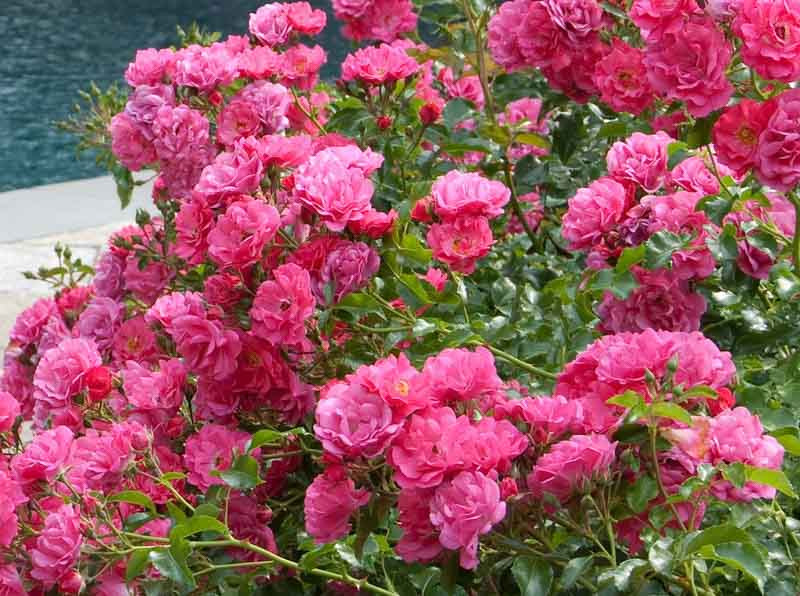
- Floribunda Roses: Produce generous clusters of flowers, often repeatedly throughout the growing season. Excellent for colorful borders and mass planting.
- Grandiflora Roses: Combine characteristics of hybrid teas and floribundas, frequently producing large blooms in clusters on tall, vigorous plants.
- English Roses: Celebrated for their romantic, often densely petaled flowers and distinctive fragrances. Discover David Austin Roses for a beautiful blend of traditional flower forms and modern breeding.
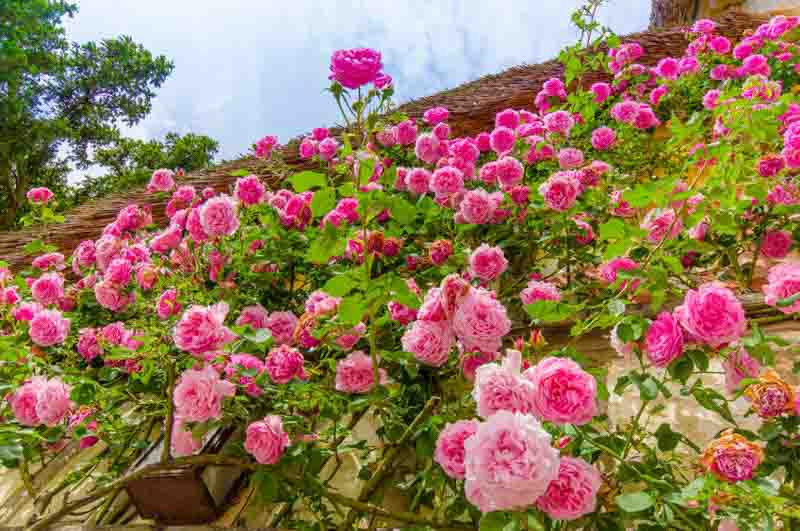
- Climbing Roses: Bring flowers to walls, fences, arches, and pergolas.
- Rambling Roses: Often vigorous, with flexible canes and spectacular clusters of flowers, commonly in one abundant seasonal flush.
- Shrub and Groundcover Roses: Versatile choices for mixed borders, hedges, banks, and low-growing displays. Flowering habit, size, and disease resistance depend on the cultivar.
- Old Garden and Heirloom Roses: Prized for their history, distinctive flower forms, and often wonderful fragrance.
Once-blooming or repeat-flowering? This distinction matters as much as flower color. Many traditional ramblers and old roses bloom once in late spring or early summer, while numerous modern roses produce several flowering flushes. Compare individual varieties rather than assuming every rose flowers continuously.
Browse the rose categories and plant profiles below to compare flowers, fragrance, growth habits, USDA hardiness, and mature dimensions.
Find Roses for Your Climate, Garden Size, and Growing Conditions
A beautiful rose in a catalog isn’t necessarily the best rose for your garden. Sunlight, winter hardiness, summer heat, disease resistance, mature size, and soil drainage are just as important as flower color.
Most roses flower best with at least six hours of direct sunlight daily and grow well in fertile, well-drained soil with consistent moisture. However, their requirements vary. Some cultivars tolerate partial shade, others perform exceptionally well in hot climates, and certain roses are better suited to cold winters or challenging coastal conditions.
Match the rose to the space:
- Small gardens and containers: Look for compact shrub, patio, or miniature roses. Check mature width as carefully as height, and choose containers with adequate drainage and root space.
- Long flowering seasons: Explore repeat-flowering floribundas, hybrid teas, and suitable shrub roses rather than relying on once-blooming varieties.
- Low-maintenance gardens: Prioritize cultivars with demonstrated disease resistance in your region, suitable growth habits, and modest pruning needs.
- Arches, fences, and pergolas: Select climbing or rambling roses according to available space, cane flexibility, and flowering habit.
- Fragrant gardens: Choose varieties specifically noted for their scent. Rose fragrance varies enormously between cultivars and may include classic Old Rose, fruity, tea, musk, or myrrh notes.
Roses are frequently browsed as wildlife-friendly plants, but not all flowers provide equal resources for pollinators. Single and semi-double blooms generally offer easier access to pollen than densely double flowers. Species roses and some other varieties also produce colorful hips that birds may eat.
And if deer visit your garden, don’t assume thorny stems will protect your plants. Find out whether deer eat roses and which roses may be less appealing.
Before choosing: Compare USDA hardiness, mature height and spread, flowering habit, exposure, water needs, and disease resistance. Gardenia’s plant profiles help you move beyond appearance and find roses that suit your actual growing conditions.
Grow Healthier Roses: Planting, Pruning, Fertilizing, and Problems
Roses have a reputation for being demanding, but much depends on choosing a suitable variety and giving it the right growing conditions. Good sunlight, healthy soil, thoughtful pruning, and consistent watering can prevent many common frustrations.
Whether you’re planting your first rose or caring for an established collection, explore Gardenia’s practical rose-growing guides:
- Rose Bush Care: How to Grow Healthy, Blooming Roses – Learn about planting, sunlight, watering, soil, mulching, and seasonal maintenance.
- How and When to Prune Roses by Type and Climate – Discover why hybrid teas, climbers, ramblers, and shrub roses need different pruning approaches.
- How to Fertilize Roses: When, What, and How Much – Understand fertilizer choices, correct quantities, seasonal timing, and common feeding mistakes.
- Why Are My Roses Not Blooming? Causes and Fixes – Diagnose shade, incorrect pruning, excess nitrogen, blind shoots, summer heat, and damaged flower buds.
- Rose Problems: Yellow Leaves, Black Spots, and More – Compare symptoms of rose diseases, pest damage, and environmental stress to identify the likely cause.
Two particularly important rose-growing lessons: More fertilizer doesn’t necessarily produce more flowers, and pruning every rose in the same way can remove an entire season’s bloom on once-flowering varieties.
For gardeners dealing with yellow leaves, black spots, brown buds, mildew, or wilting, the Rose Problems guide provides a symptom-based diagnosis. If your rose looks healthy but refuses to flower, start with the Rose Blooming guide instead.
Discover Roses by Color: Red, Pink, White, Yellow, and More
Rose colors can completely change the mood of a garden. Soft pink and cream create a romantic atmosphere, scarlet and deep burgundy add drama, and apricot, coral, and gold bring warmth to mixed borders.
Explore Gardenia’s rose color guides to discover varieties for your favorite palette:
- Best Red Roses – From classic crimson blooms to rich, velvety reds.
- Beautiful Pink Roses – Explore blush, shell-pink, rose-pink, and vibrant magenta flowers.
- Beautiful White Roses – Elegant choices for moon gardens, romantic borders, and refined planting schemes.
- Yellow Roses – Cheerful shades from soft primrose and lemon to rich golden yellow.
- Orange Roses – Discover apricot, peach, tangerine, coral, and copper-toned varieties.
- Purple Roses – Explore lavender, mauve, lilac, and richly plum-colored blooms.
- Black Roses – Discover dramatic, exceptionally dark red and burgundy roses that appear nearly black in certain light.
- Blue Roses – Learn why naturally true-blue roses are elusive and how breeding, biotechnology, and floral treatments have shaped their story.
Color isn’t the only consideration. A spectacular rose may have little fragrance, while a more modest flower can perfume an entire seating area. Some rose colors also change as flowers mature or respond to temperature and sunlight.
When comparing varieties, look beyond the photograph. Consider fragrance, flower form, repeat bloom, disease resistance, and mature size alongside the color you love.
Design with Roses: Companion Plants, Clematis, Rose Hips, and Fragrance
Roses are just as beautiful in mixed garden borders as they are in dedicated rose beds. Combine them with suitable perennials, ornamental grasses, bulbs, and flowering shrubs to create a garden with color, texture, and interest beyond the rose flowering season.
For an elegant layered border, use taller shrub roses as the main structure and lower-growing perennials around them. Nepeta, salvias, hardy geraniums, alliums, and selected ornamental grasses can create lovely contrasts, provided their sunlight, soil moisture, and drainage requirements are compatible.
Discover more combinations in our guide to the best companion plants for roses.
For vertical displays, roses and clematis can make a particularly beautiful partnership. A climbing rose provides structure while clematis adds contrasting flower shapes and colors. Choose varieties with compatible vigor and flowering seasons, and consult our guide to combining roses and clematis before planting.
Roses also offer interest beyond their flowers. Many species and selected garden roses develop ornamental hips in shades of orange, scarlet, or red. Rose hips have a long history of culinary use, although only correctly identified, food-safe, untreated hips should be considered for consumption. Explore rose hips and their culinary uses.
Rose fragrance has also played a remarkable role in perfumery and culture. Discover the traditions, production methods, and uses of rose oil, one of the world’s most celebrated floral aromatic ingredients.
Whether you’re creating a fragrant courtyard, a romantic cottage garden, a colorful flowering hedge, or an arch covered in roses, the best combinations start with plants that share compatible growing conditions and have enough room to reach their mature size.